London Plane
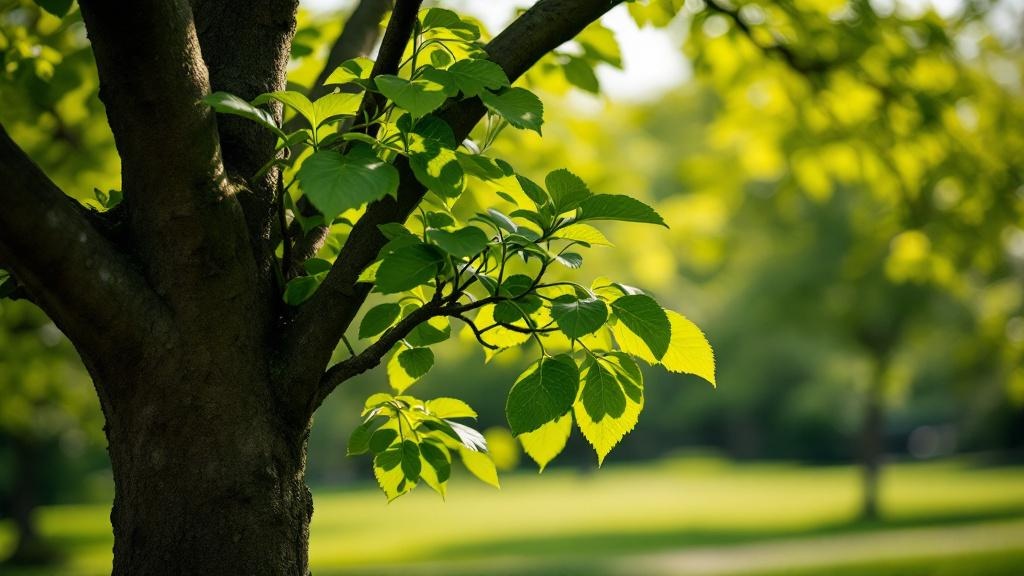
The London Plane tree is one of the most resilient and stately trees you can plant in a temperate garden, famous for its distinctive camouflage-patterned bark and broad canopy. If you are searching for answers about this tree, you are likely wondering whether it suits your space, how to manage its size, or how to prevent the anthracnose that plagues it in cool, wet springs. With proper placement and care, this hybrid of American and Oriental plane trees can thrive for centuries and provide unmatched shade.
Watering Your London Plane Tree
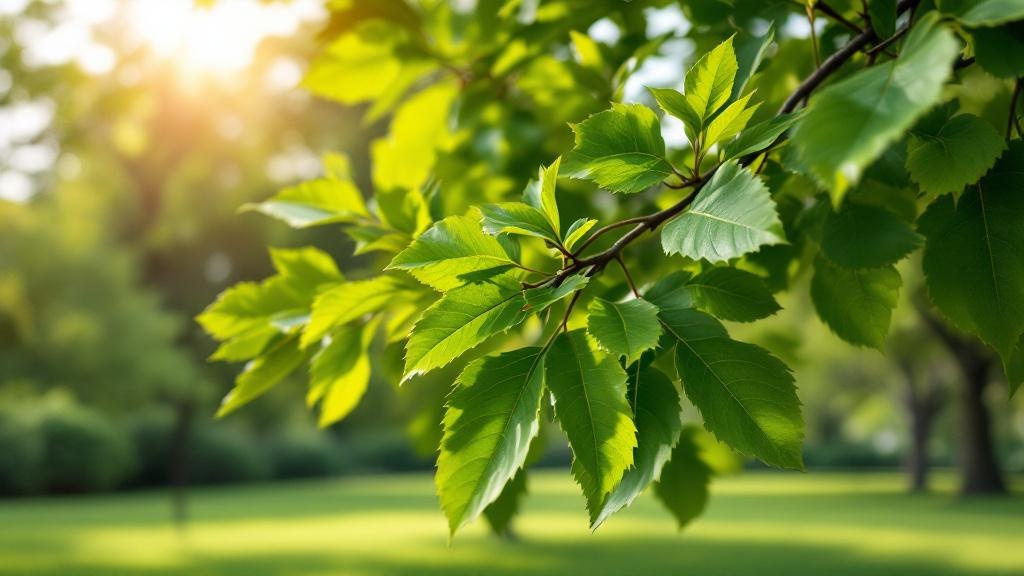
Water newly planted trees deeply once per week from April through October, providing about 40 liters per session to encourage deep root development. Established trees rarely need supplemental watering except during prolonged summer droughts lasting three weeks or more. Avoid frequent shallow watering, which encourages surface roots that can lift pavements. Reduce watering from November as the tree enters dormancy.
Light Requirements for Healthy Growth
London Planes perform best in full sun with at least six hours of direct light daily. They tolerate partial shade but develop a thinner canopy and may become more susceptible to fungal diseases in low-light, humid conditions. When planting, choose an open site away from buildings that cast afternoon shadows. South or west-facing positions are ideal in northern temperate regions.
Soil and Planting Considerations
This tree adapts to most soil types including clay, sand, and urban compacted soils, though it thrives in deep, moist loam with good drainage. Plant bare-root specimens from November to March while dormant, or container-grown trees in autumn. Dig a hole twice the root ball width and stake young trees for the first two years. Mulch with 8-10 cm of bark chips, keeping it away from the trunk.
Temperature and Climate Tolerance
London Planes are fully hardy in USDA zones 5 through 8, tolerating winter lows to minus 25 degrees Celsius once established. They handle urban heat, pollution, and reflected warmth from buildings exceptionally well. Late spring frosts in April or May can damage emerging leaves but trees recover quickly. Provide wind shelter for the first few winters in exposed northern sites.
Fertilizing for Strong Development
Apply a balanced slow-release granular fertilizer such as 10-10-10 in early April around the drip line of young trees for the first five years. Established specimens rarely need feeding unless growth appears stunted or foliage is pale. Avoid high-nitrogen feeds after July, as this promotes soft growth vulnerable to early autumn frosts. A layer of composted bark mulch each spring provides gentle, ongoing nutrition.
Common Problems and Pest Management
Anthracnose is the primary concern in temperate climates, causing leaf browning and twig dieback during cool, wet springs in April and May. Improve air circulation by pruning congested branches in late winter. Plane lace bug can cause stippled, bronzed leaves in hot summers; strong water sprays dislodge nymphs. Massaria disease, increasingly seen in the UK and Central Europe, causes branch dieback and requires prompt removal of affected limbs by an arborist.
Frequently asked questions
How fast does a London Plane tree grow?
London Planes grow 30 to 60 cm per year under good conditions, reaching 20-30 meters at maturity. Young trees establish quickly in the first decade, then growth moderates. Expect a substantial shade tree within 15 years of planting.
Why are my London Plane tree leaves turning brown?
Brown, curling leaves in spring are typically caused by anthracnose, a fungal disease favored by cool, wet weather in April and May. Affected leaves often drop but the tree produces a second flush by June. Rake and dispose of fallen leaves to reduce reinfection next year.
When should I prune a London Plane tree?
Prune London Planes in late winter, between January and early March, while fully dormant. This timing reduces sap bleeding and disease risk. Remove dead wood, crossing branches, and shape the canopy before spring growth begins.
Is the London Plane tree toxic to cats or dogs?
No, the London Plane is not toxic to cats, dogs, or other household pets. The spiky seed balls can be a mild choking hazard if chewed, so clear fallen fruit from areas where pets play.
How much space does a London Plane tree need?
Allow at least 10-15 meters from buildings, walls, and other trees, as mature specimens reach 20-30 meters tall with a 15-20 meter canopy spread. Their vigorous roots need ample room, making them unsuitable for small gardens or near foundations.