Garden Nasturtium
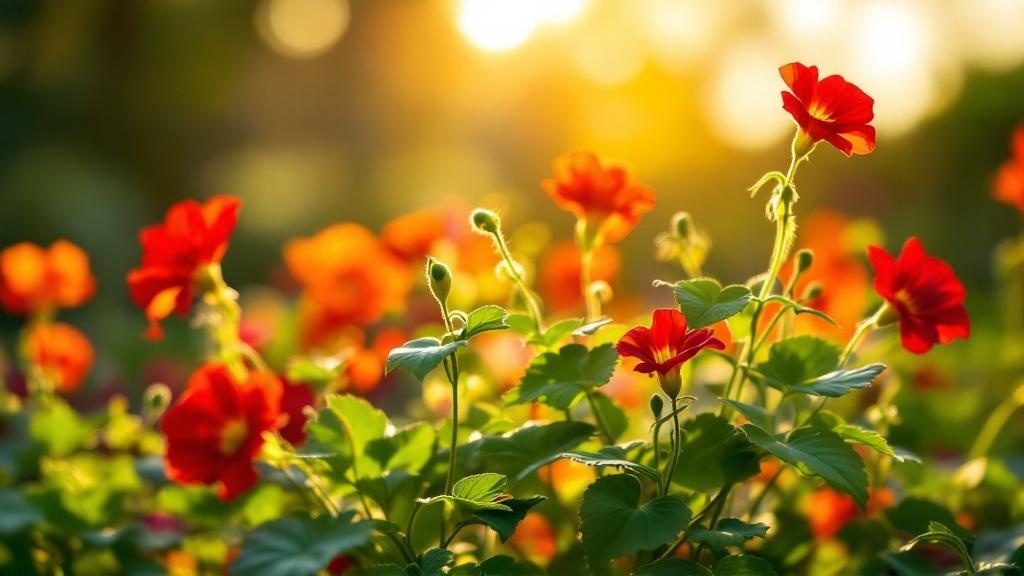
Garden nasturtiums are the ultimate beginner-friendly flower, producing masses of orange, yellow, and red blooms all summer long with minimal effort. The most common question gardeners ask is why their nasturtiums have lots of leaves but few flowers. The answer usually lies in soil that is too rich or too much nitrogen fertilizer. These South American natives actually prefer lean conditions, making them perfect for those tricky dry spots where other plants struggle.
Watering Your Garden Nasturtiums
Water nasturtiums deeply once a week during dry spells, allowing soil to dry between waterings. In cooler, rainy periods common in UK and Northern European summers, natural rainfall is often sufficient. Overwatering promotes lush foliage at the expense of flowers. Container-grown nasturtiums need more frequent watering, typically every 4-5 days in summer heat.
Light Requirements for Abundant Blooms
Nasturtiums flower best in full sun, receiving at least 6 hours of direct light daily. In warmer zones toward the upper end of zone 8, light afternoon shade prevents scorching during July and August heat waves. Too much shade results in leggy growth and sparse flowering. South or west-facing positions against walls create ideal microclimates in temperate gardens.
Soil and Repotting Needs
Plant nasturtiums in poor to average soil without amendments. Rich, fertile soil or heavy compost causes excessive leaf growth and disappointing flower production. Well-draining soil is essential as these plants dislike wet feet. For containers, use a basic potting mix diluted with sand or perlite rather than enriched formulas.
Temperature and Humidity Preferences
Nasturtiums thrive between 10-25°C and tolerate brief cool spells but are killed by frost. Sow seeds outdoors directly after last frost, typically mid-May in zones 5-6 or late April in zones 7-8. They handle average humidity well and tolerate dry air better than many annuals. Growth slows in midsummer heat above 30°C but resumes as temperatures cool in September.
Fertilizing Guidelines
Avoid fertilizing nasturtiums entirely, especially with nitrogen-rich products. These plants evolved in nutrient-poor Andean soils and respond to fertilizer by producing abundant foliage while suppressing flower buds. If your soil is extremely poor and sandy, a single application of diluted tomato fertilizer in midsummer can boost blooming without promoting excessive leaf growth.
Common Problems and Solutions
Black bean aphids are the most frequent pest, clustering on stems and new growth from late May onward. Blast them off with water or use nasturtiums deliberately as trap crops to protect nearby vegetables. Cabbage white butterfly caterpillars may appear in late summer. Powdery mildew develops in humid conditions or crowded plantings, appearing as white patches on leaves. Improve air circulation and remove affected foliage promptly.
Frequently asked questions
Why are my nasturtium leaves yellow?
Yellow nasturtium leaves typically indicate overwatering or waterlogged soil. Allow the soil to dry out completely between waterings and ensure containers have adequate drainage holes. Older lower leaves naturally yellow and can be removed without concern.
How often should I water nasturtiums?
Water nasturtiums once weekly during dry weather, or when the top 5cm of soil feels dry. In cool, rainy temperate summers, they often need no supplemental watering at all. Container plants require more frequent attention, approximately every 4-5 days in warm weather.
Why is my nasturtium not flowering?
Nasturtiums fail to flower when soil is too rich or they receive too much nitrogen fertilizer. These plants need poor, lean soil to trigger blooming. Excessive shade with less than 4 hours of direct sun also reduces flowering significantly.
Are nasturtium flowers edible?
Yes, all parts of nasturtiums are edible including flowers, leaves, and seeds. The peppery flavor resembles watercress and adds color to salads. Harvest flowers in the morning after dew dries, and avoid eating plants treated with pesticides.
When do nasturtiums bloom?
Nasturtiums bloom from approximately 8 weeks after sowing until the first autumn frost. In temperate climates, expect flowers from late June through October when sown in mid-May. Deadheading spent blooms encourages continuous flowering throughout the season.