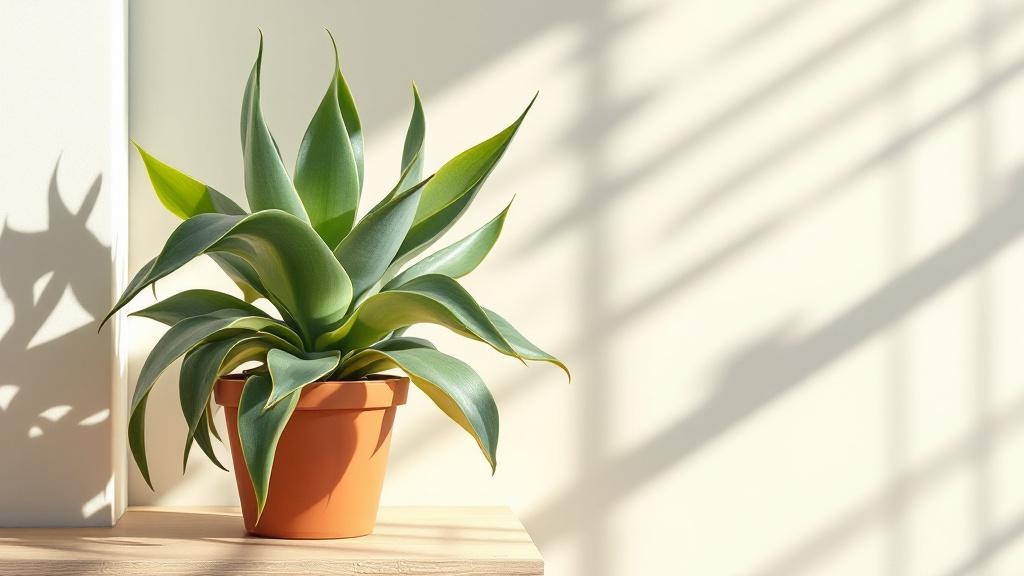
Peach
Peach trees are rewarding backyard fruit producers, but success in temperate regions depends on understanding their specific needs—particularly chilling hours in winter and careful pest management through spring. Whether you're growing your first tree or tending an established one, knowing when to prune, how often to water, and which diseases to watch for makes the difference between sparse fruit and a bountiful harvest.
Watering Your Peach Tree
Peach trees need consistent moisture during the growing season (April through August in temperate regions) but not waterlogged soil. Water deeply once a week, aiming for 1-2 inches per week including rainfall, adjusting for dry spells. In late autumn and winter, reduce watering significantly; the tree enters dormancy and relies on soil moisture retained from earlier irrigation. Check soil moisture 10 cm deep—if dry, water; if cool and damp, wait.
Light Requirements
Peach trees are sun-demanding and require a minimum of 6-8 hours of direct sunlight daily for good flowering and fruit development. Position your tree where it receives morning sun to help dry dew and reduce fungal disease pressure. In very hot regions (zone 8), afternoon shade during peak July-August heat can prevent fruit scalding, but this is rarely necessary in northern temperate zones. Insufficient light results in weak growth, few flowers, and poor fruit quality.
Soil & Repotting
Peach trees prefer well-draining, slightly acidic to neutral soil (pH 6.0-7.0) with sandy loam texture. Avoid clay-heavy or waterlogged soils, which encourage root diseases. In spring (late March to April), apply 5-7 cm of organic mulch around the base, keeping it 15 cm away from the trunk to prevent rot. Container-grown trees should be repotted into larger pots only if root-bound; field planting is preferred for mature productivity.
Temperature & Humidity
Peach trees in temperate zones require 800-1000 chilling hours (continuous exposure to temperatures below 7°C) during winter dormancy to break bud and flower properly. In Central European and UK climates (zones 5-8), this need is typically met by late February. High humidity during late spring (May-June) increases risk of brown rot and leaf curl fungus; ensure good air circulation by thinning branches. Sudden spring frosts after budbreak can damage flowers, reducing yield—this is a known risk in zones 5-6.
Fertilizing Your Peach Tree
Apply a balanced fertilizer (e.g., 10-10-10 NPK) in early spring (late March) as growth begins, and a second application in June to support fruit development. Avoid high-nitrogen fertilizers after June, as they promote leafy growth at the expense of fruit. Mature trees typically need 50-100 g of nitrogen annually; younger trees need less. Foliar feeding with zinc and boron in April-May can prevent nutritional deficiencies that reduce fruiting.
Common Problems & Solutions
Peach leaf curl (caused by Taphrina deformans fungus) appears as red blistering on new spring leaves in March-April, especially in humid years. Spray with copper fungicide in late February before budbreak to prevent it. Brown rot affects flowers and fruit in cool, wet springs; remove affected tissues immediately and prune for airflow. Japanese beetles and codling moths are regional pests in summer—use insecticidal soap or pheromone traps starting in June. Scale insects can appear on trunk and branches; treat with horticultural oil in late winter.
Frequently asked questions
How often should I water a peach tree?
Water deeply once a week during the growing season (April-August), providing 1-2 inches including rainfall. Reduce watering in autumn and nearly stop during winter dormancy. Check soil moisture 10 cm deep before watering; the soil should dry slightly between waterings to prevent root rot.
Why are my peach tree leaves curled and red?
This is almost certainly peach leaf curl, a fungal disease that appears in early spring when humidity is high. Spray with copper fungicide in late February before buds swell to prevent infection. Remove affected leaves once they appear to reduce disease spread, and prune for better air circulation.
When does a peach tree fruit and how long until harvest?
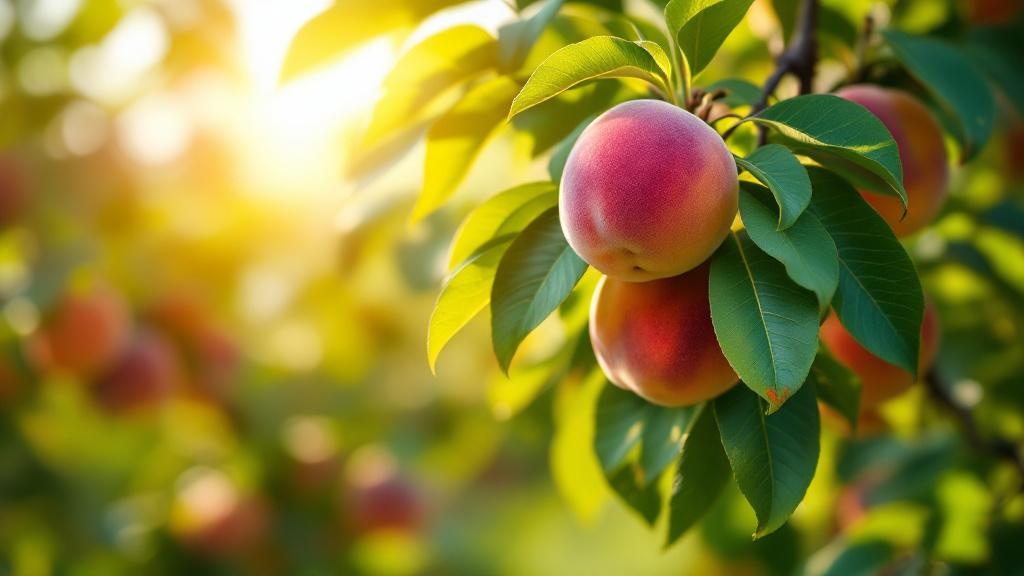
Peach trees typically begin fruiting in their third year and reach full production by year 4-5. Flowers appear in spring (April-May depending on location), and fruit ripens 100-150 days later, typically in July-September. Harvest when peaches are fragrant and yield slightly to gentle pressure.
Should I prune my peach tree and when?
Prune peach trees in early spring (late March to April) while dormant or just as growth begins—never in autumn, as winter injury risk increases. Remove crossing branches, dead wood, and any inward-growing stems to maintain an open vase shape. Cut back about one-third of new growth annually to encourage fruiting wood; peaches fruit on one-year-old shoots.
Is peach tree fruit safe for dogs and cats?
Peach fruit flesh is safe for pets in small amounts, but the pit contains cyanogenic compounds that are toxic if consumed in quantity. Remove pits before offering peach flesh to pets. Avoid giving your pet unripe fruit, which can also cause stomach upset.
🩺 Common diseases and pests
These problems commonly affect this plant. Click any to see full symptom descriptions, organic and chemical treatment, and prevention.