Calendula
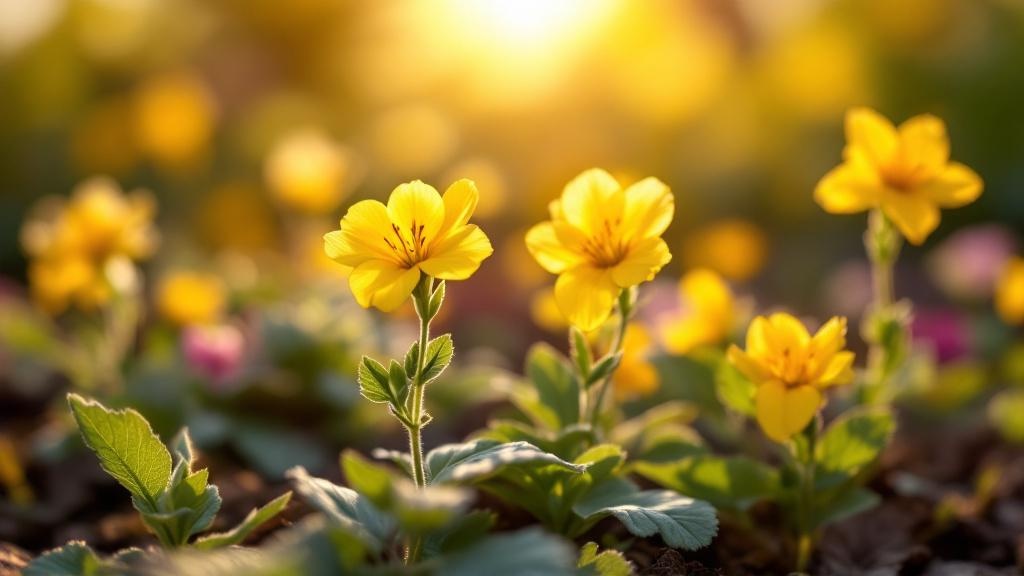
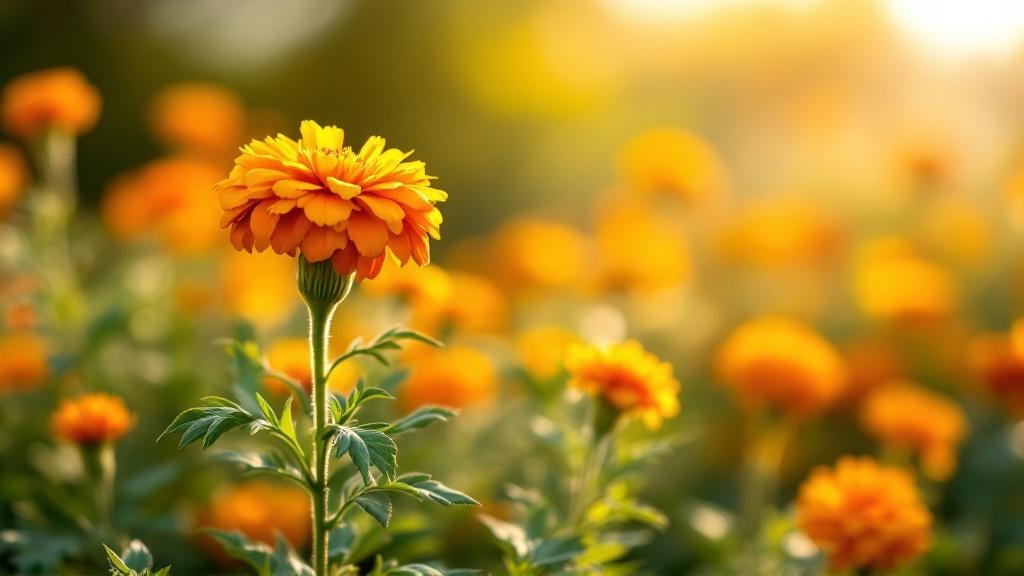
Calendula, also known as pot marigold, is one of the most rewarding flowers for home gardeners in temperate climates. These cheerful orange and yellow blooms are nearly foolproof to grow, making them perfect for beginners. The most common question gardeners ask is how often to water and whether calendula will survive the transition from seedling to garden—the good news is that calendula is remarkably forgiving and actually prefers slightly drier conditions.
Watering Calendula Correctly
Water calendula moderately—every 7-10 days during the growing season, but reduce frequency as autumn approaches and temperatures drop. Calendula actually prefers drier soil and is drought-tolerant once established; overwatering is more harmful than underwatering and can lead to root rot. Check soil moisture by inserting your finger 2 cm deep; water only when the top layer feels dry. In temperate regions, late-season rain usually sustains plants without supplemental watering.
Light Requirements for Calendula
Calendula thrives in full sun, requiring at least 6 hours of direct sunlight daily for prolific flowering. In partial shade (4-6 hours of sun), plants will still bloom but may become leggy and produce fewer flowers. Position calendula in south or west-facing beds or borders where it catches maximum daylight. Even in cloudy temperate climates, calendula performs well as long as it receives consistent, unobstructed light.
Soil Preparation and Repotting
Calendula is undemanding and actually thrives in poor, well-draining soil rather than rich, amended soil. Use standard garden soil or container mix with added perlite or coarse sand to ensure drainage; heavy clay soil should be broken up with compost to improve structure. Repotting is rarely necessary unless growing calendula in containers; refresh container soil annually in spring. Calendula does not require fertilizer-rich soil—in fact, too much nitrogen encourages foliage at the expense of flowers.
Temperature and Humidity Tolerances
Calendula is a hardy annual that tolerates temperatures between 5–25°C, making it ideal for temperate zones (USDA 5-8 equivalent). The plant is frost-hardy to about -2°C and will often self-seed in autumn and early winter, allowing it to establish for early spring blooms. Humidity is not a concern; calendula prefers dry air and is resistant to fungal issues when given good air circulation. In hot summers above 28°C, provide afternoon shade to prevent flower fading.
Fertilizing Calendula Plants
Calendula requires minimal fertilizing and performs best in lean soil without heavy feeding. If growing in containers or very depleted garden soil, apply a balanced, low-nitrogen fertilizer (such as 5-10-10) once at planting or every 4-6 weeks during the blooming season. Excess nitrogen promotes lush foliage at the expense of flowers, so restraint is better than generosity. Organic gardeners can side-dress with compost in spring for gentle, sustained nutrient release.
Common Problems and Solutions
Powdery mildew can develop in humid, poorly ventilated spaces—prevent it by ensuring good air circulation and avoiding overhead watering. Calendula is generally pest-resistant, though aphids may appear in spring; spray affected plants with water or use insecticidal soap if populations are heavy. Root rot from waterlogged soil is the most serious threat; always allow soil to dry between waterings and use well-draining containers with drainage holes. Slugs may graze seedlings in wet springs; use beer traps or hand-pick at dusk.
Frequently asked questions
How often should I water calendula?
Water calendula every 7-10 days during the growing season, reducing frequency as weather cools in autumn. Calendula prefers drier conditions; check that the top 2 cm of soil is dry before watering, as overwatering causes root rot.
Can calendula survive winter in temperate climates?
Calendula is a hardy annual that survives light frosts down to -2°C in temperate regions. In USDA zones 5-8, calendula often self-seeds and will germinate in early spring; plants sown in autumn may bloom during mild winter spells.
Why are my calendula flowers not blooming?
Insufficient sunlight is the most common cause—calendula needs at least 6 hours of direct sun daily to flower profusely. Overfeeding with nitrogen-rich fertilizer also reduces blooms in favor of foliage; lean soil produces more flowers.
Is calendula toxic to cats or dogs?
No, calendula is completely non-toxic to cats, dogs, and other pets. The plant is also edible and is traditionally used in teas and herbal remedies, though you should verify any herbal use with a healthcare provider.
When do I sow calendula seeds in temperate climates?
In temperate zones, sow calendula outdoors in mid-March to late April after the last frost date, or in late August to September for autumn and winter blooms. Calendula germinates quickly in 7-10 days at 15-20°C and can be direct-sown into garden beds without transplanting.
🩺 Common diseases and pests
These problems commonly affect this plant. Click any to see full symptom descriptions, organic and chemical treatment, and prevention.