Fungus gnats
📖 Overview
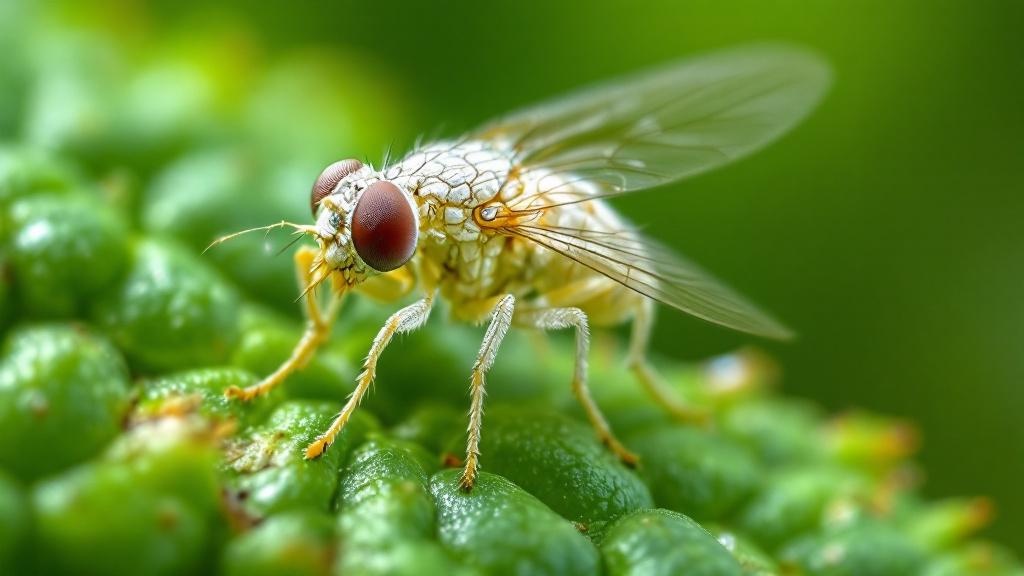
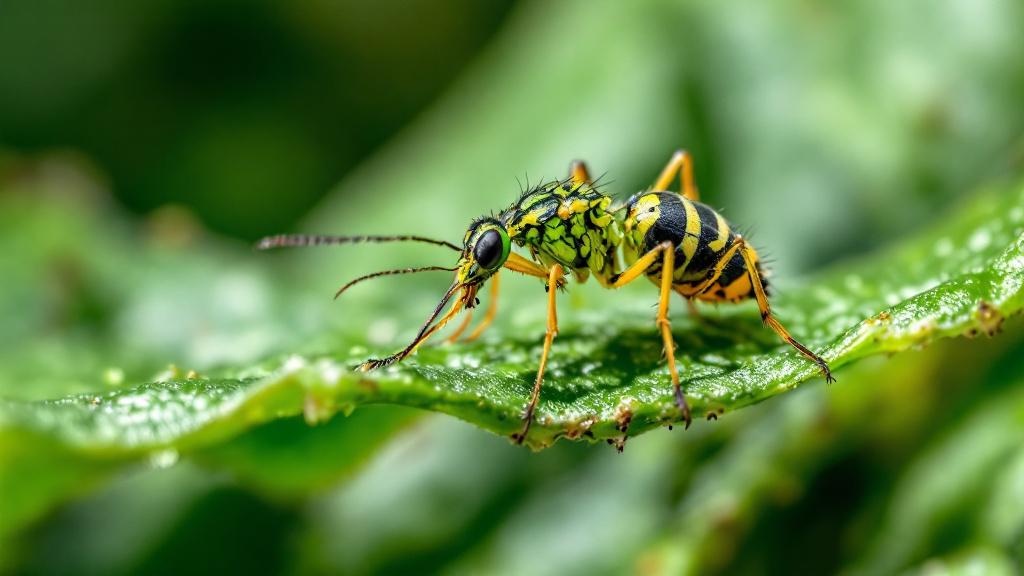
Fungus gnats are tiny black flying insects, barely 3 millimetres long, that swarm around your houseplants—especially when you water. They're harmless to you, but their larvae are the real trouble. These transparent worm-like creatures live in the soil and feed on fine root hairs, weakening your plant's ability to take up water and nutrients. You'll notice yellowing leaves, stunted growth, and a general decline, particularly in small pots where the damage compounds quickly. The problem typically emerges in late autumn and winter when homes are warm and indoor plants are watered regularly, though they can appear year-round if conditions suit them.
The first sign is usually seeing adult gnats hovering around the pot when you water or move the plant. If you dig into the top layer of soil, you may spot the larvae themselves—tiny, almost see-through worm-like bodies. Fungus gnats thrive in consistently moist soil and are often introduced on new houseplants brought home from garden centres or nurseries. The good news is that they're not a death sentence for your plant, and controlling them is straightforward once you know what to look for.
What makes fungus gnats distinctive is the combination of adults flying around soil-level and the presence of larvae just beneath the surface, plus the damage pattern—general weak growth rather than spotted leaves or wilting from a specific disease. They're easy to confuse with fruit flies if you see them near a window, but fungus gnats are attracted to soil, not ripening fruit or kitchen waste. Root-feeding nematodes cause similar stunting, but you won't see the flying adults or the obvious larvae in the top centimetres of soil.
🔍 How to identify
KIS fekete repülő rovarok (~3 mm) a növény körül, főleg amikor öntözesz. A talajba petéznek. A LARVÁK (átlátszó férgek a talaj felszínén) a finom gyökereket rágják — a növény gyengén nő, kis cserépben sárgulhat.
🌿 Common host plants
💊 Treatment
Sárga ragasztócsapda (a felnőttek befogására). Talaj-tetejére 1 cm homok vagy perlit (megakadályozza a petezést). Hagyd a talaj felső 2-3 cm-t MEGSZÁRADNI az öntözések között. Bacillus thuringiensis israelensis (Bti) — biológiai talajkezelés. Hidrogén-peroxid 3% 1:4-be hígítva, talaj-öntözéshez (öli a larvákat).
Imidakloprid talaj-szemcse — agresszív, csak akkor ha minden más kudarc volt.
🛡️ Prevention
NE öntözz túl. Steril talaj (új palánta-vásárlásnál karantén!). Jó vízelvezetés. Lefolyótál víz NE legyen tartósan a növény alatt.
Frequently asked questions
How fast do fungus gnats spread and when is the danger window?
A gnat lifecycle takes about two to three weeks from egg to flying adult, so populations can double rapidly in warm conditions (above 20°C). The peak danger window in temperate climates is September through March, when homes are heated and watering frequency stays high. Check your plants every 7-10 days during this period; early spotting makes control much faster.
Can I save a plant that's already infested or do I have to throw it away?
Almost all infested plants can be saved—fungus gnats rarely kill a healthy plant outright. Start by letting the top 2-3 centimetres of soil dry between waterings, which is the single most effective step, then use yellow sticky traps to catch adults and apply Bti (Bacillus thuringiensis israelensis) to the soil if the infestation is heavy. Most houseplants recover within 4-6 weeks of consistent control.
What's the safest organic approach if I have young children or pets at home?
Yellow sticky traps and allowing the soil surface to dry are completely non-toxic and safe for households with kids and pets. Spread a 1-centimetre layer of sand or perlite on top of the soil to prevent adult gnats from laying eggs; this is a physical barrier with zero chemical risk. If you need faster control, Bti is a biological insecticide that targets only gnat larvae and is safe to handle around children and animals.
Does it overwinter in the soil and on fallen leaves?
Yes, fungus gnats overwinter as larvae deep in soil or in potting compost, so they'll persist year-round in a warm home unless you interrupt the cycle. Fallen leaves or organic debris on the soil surface provide extra food and breeding grounds, so remove these promptly. If you discard an infested plant, seal the pot and soil in a plastic bag before binning to avoid releasing adults into your home.
Is fungus gnat infestation contagious to my other nearby plants?
Yes, adult gnats fly between pots, so an infested plant can spread the problem to neighbours on a windowsill or shelf within days. Isolate an infested plant to a separate room if possible, use yellow sticky traps around it to catch flying adults, and inspect other nearby plants weekly for early signs of larvae. Don't move soil or tools between pots without cleaning them first.
Not sure what's wrong? Take a photo!
Plantora's AI Plant Doctor identifies the issue from a single photo in seconds and gives you a tailored treatment guide.
Try AI diagnosis (free) →