Cellar mold (post-harvest fungi)
📖 Overview
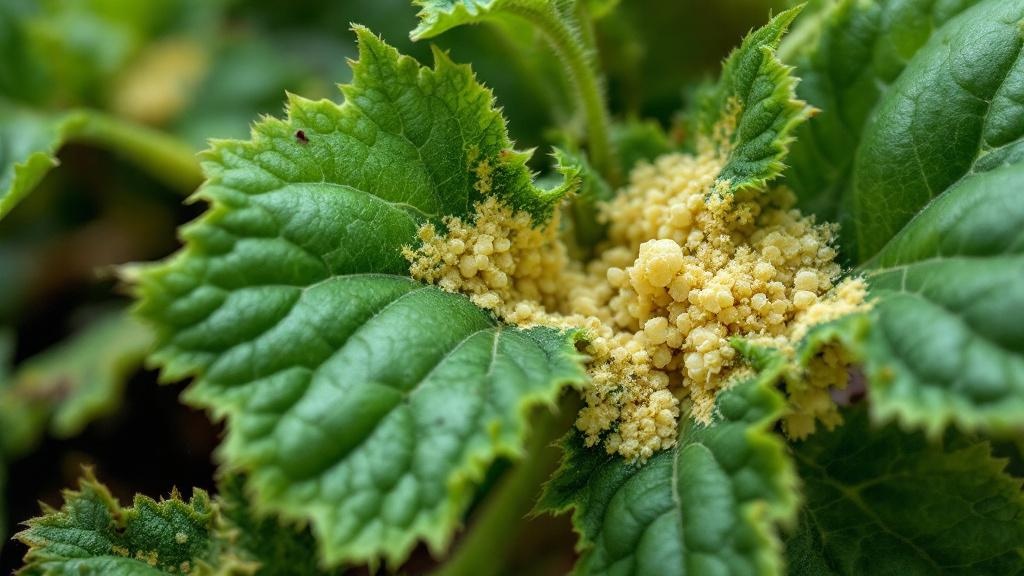
Cellar mold is a hidden problem that strikes after harvest, when your carefully stored vegetables and fruits begin to rot in cool storage. The culprits are common fungi—Penicillium (blue-green fuzz), Aspergillus (black patches), and Rhizopus (gray-white web-like growth)—that quietly colonize damaged skin and spread through ethylene gas and spores. This matters because a single rotting potato or apple can trigger a cascade of decay in your entire store, wasting weeks of garden effort and forcing you to discard crops you've worked months to grow. The danger window runs from late September through February, especially during the first 4-6 weeks of storage when wounds are still fresh and humidity is highest. The first sign is usually a soft, discolored patch on fruit or root vegetables, often accompanied by a musty, sweet smell in the cellar—this is your cue to act immediately before the mold jumps to neighboring items. Cellar mold is easy to confuse with simple rot from bruising, but true fungal infection spreads visibly across the surface as colored fuzz or web-like strands, whereas a bruise stays localized and brown. The good news: prevention through proper storage conditions and careful handling before storage does most of the work for you.
🔍 How to identify
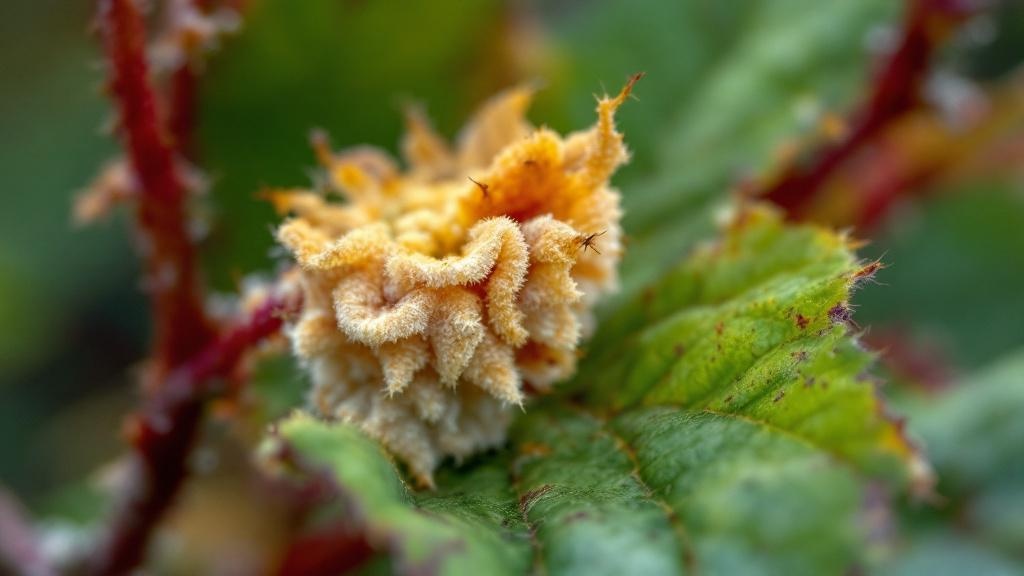
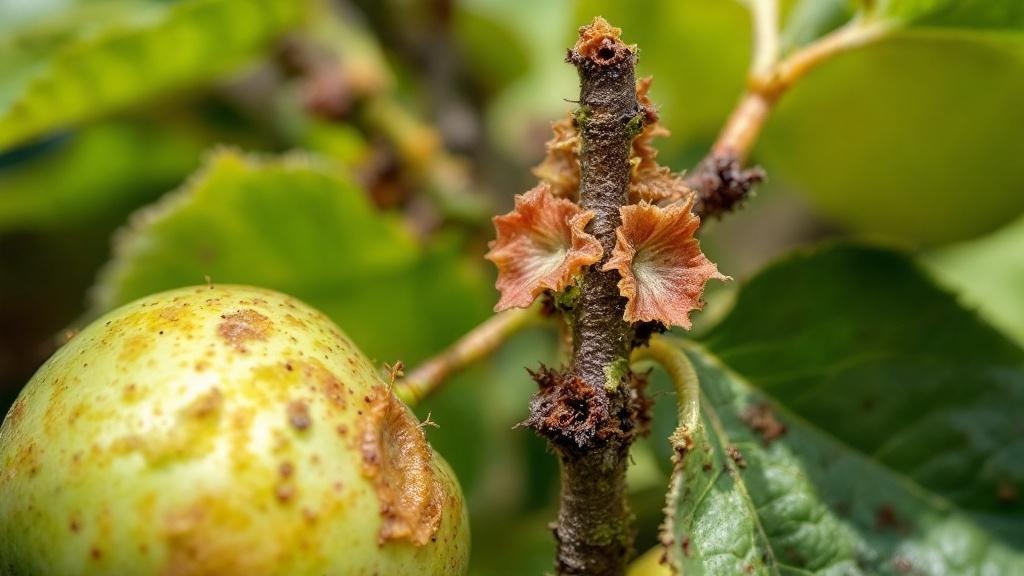
Tárolás közben: a sérült gyümölcs/zöldség felületén kékes-zöldes (Penicillium), fekete (Aspergillus) vagy szürke-fehér pókhálós (Rhizopus) penészfoltok. Penészszag a pincében. Egyetlen rohadó gyümölcs etilént termel — a többi is felgyorsult érlelődéssel romlik.
🌿 Common host plants
💊 Treatment
A fertőzött példányokat AZONNAL eltávolítani. Pincében szellőztetés, páratartalom 85-90% (nem több), hőmérséklet 2-5°C (gyökerek, alma) vagy 12-15°C (hagyma, tök).
Tárolóhely fertőtlenítés szezon között (peroxidos vagy klórdioxidos füstöléssel).
🛡️ Prevention
CSAK sérülésmentes, érett, száraz példányokat tárolj. Tárolás előtt 7-10 nap "gyógyulás" 13-18°C-on, 90% páratartalom (a sebek parásodnak). Pince szellőztetés (ventilátor). Almát-körtét KÜLÖN tárolni (sok etilén).
Frequently asked questions
How fast does cellar mold spread once I spot it on one apple or potato?
A single infected fruit can trigger cascade decay in 5-10 days if left in storage, because it releases ethylene gas that accelerates ripening in healthy neighbors and softens their skins—making them vulnerable to the same fungi. Remove the moldy item immediately and increase ventilation to slow the process.
If I find mold on stored carrots or potatoes, can I cut away the fuzzy bit and eat the rest?
No—discard the entire item. Penicillium, Aspergillus, and Rhizopus fungi produce toxins (mycotoxins) that spread through the flesh far beyond the visible mold, and cutting exposes the spores to healthy vegetables. It's not worth the food-safety risk.
What's the safest way to prevent mold in a basement or cellar with kids and pets around?
Store only unblemished, fully dry produce; let vegetables and apples cure for 7-10 days at 13-18°C and 90% humidity before moving to cold storage—this heals minor skin wounds naturally. Then maintain cellar conditions at 2-5°C for roots and apples, 12-15°C for onions and squash, with a small fan running 1-2 hours daily to keep humidity at 85-90%—no chemicals needed, just air movement and cool temps.
Do these mold spores stay dormant in the soil or on fallen leaves over winter?
Penicillium and Aspergillus spores are everywhere in soil year-round and pose no harvest risk if you handle and store vegetables correctly. The real danger is storing damaged or wet produce, or cellar conditions that are too warm or humid—fix those and you prevent infection before it starts.
Should I store apples and pears in the same section of my cellar as potatoes and carrots?
No—keep apples and pears in a separate, sealed corner if possible, because they produce far more ethylene gas than root vegetables and will accelerate decay in nearby carrots and potatoes. If space is tight, store them at the coolest end and ensure air circulation separates the two zones.
Not sure what's wrong? Take a photo!
Plantora's AI Plant Doctor identifies the issue from a single photo in seconds and gives you a tailored treatment guide.
Try AI diagnosis (free) →