Shallot
Shallots offer a delicate, slightly sweet flavor that elevates any dish, and they're surprisingly simple to grow at home. The most common question gardeners ask is when to plant shallots for the best harvest. In temperate climates, you have two windows: early spring (late February to March) or autumn (October to November) for overwintered crops that mature earlier the following summer. With minimal space and basic care, you can harvest enough shallots to last through winter storage.
Watering Your Shallots Correctly
Water shallots deeply once per week during the growing season, allowing soil to dry slightly between waterings. Reduce watering in late June as bulbs begin to mature and tops start yellowing. Overwatering causes bulb rot, especially in heavy soils. Mulching with straw helps retain consistent moisture while keeping weeds down.
Light Requirements for Healthy Bulbs
Shallots need full sun with at least 6 hours of direct sunlight daily for proper bulb development. In partially shaded spots, plants produce more foliage but smaller bulbs. Choose your sunniest vegetable bed location, ideally south-facing. Avoid planting near taller crops that will shade them as summer progresses.
Soil Preparation and Planting Depth
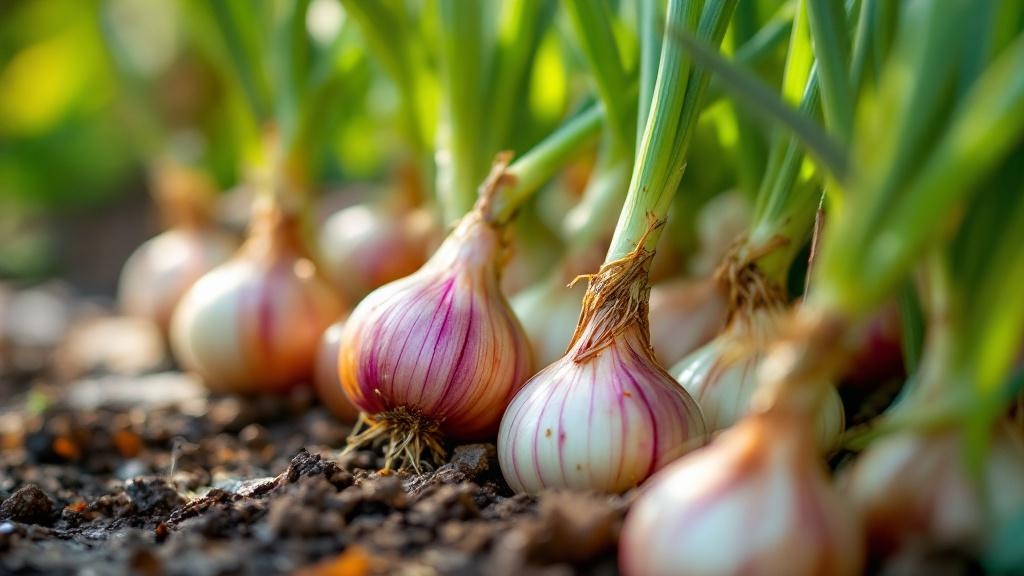
Plant shallots in well-drained, fertile soil with a pH between 6.0 and 7.0. Work in aged compost before planting and avoid fresh manure, which encourages leaf growth over bulb formation. Set individual bulbs 15cm apart with the pointed tip just showing above soil level. Shallots rarely need repotting as they complete their cycle in one season.
Temperature and Seasonal Timing
Shallots are cold-hardy and tolerate frost once established, making them ideal for temperate zone 5-8 gardens. Autumn-planted sets overwinter successfully and produce earlier, larger harvests by July. Spring plantings go in when soil is workable, typically late February through March. Summer heat triggers bulb maturation, so time your planting to allow 90-120 days before hot weather peaks.
Feeding Shallots Through the Season
Apply a balanced fertilizer (10-10-10) at planting time, working it into the top few centimeters of soil. Side-dress with a nitrogen-light feed in mid-spring if growth appears slow, but stop fertilizing once bulbs begin swelling in late May. Excess nitrogen produces lush tops at the expense of bulb size. Compost tea every 3-4 weeks provides gentle nutrition without overdoing it.
Common Shallot Problems and Solutions
Onion white rot appears as fluffy white fungal growth at the bulb base and is common in UK and Northern European gardens; avoid planting alliums in the same spot for 8 years if infected. Allium leaf miner, increasingly prevalent since the 2010s, creates visible tunnels in leaves from March to April and again in autumn; cover crops with fine mesh netting during peak fly activity. Downy mildew causes grey fuzzy patches on leaves during wet springs; improve air circulation and avoid overhead watering.
Frequently asked questions
When should I plant shallots in spring?
Plant shallot sets in late February to March as soon as the soil is workable and not waterlogged. In colder zone 5 areas, wait until early April if ground is still frozen. Sets planted in spring will be ready to harvest by July or August.
How often should I water shallots?
Water shallots once per week during active growth, providing about 2.5cm of water each time. Reduce watering when the foliage begins to yellow and flop over, typically in late June. Overwatering during the final maturation stage causes storage rot.
Why are my shallot leaves turning yellow?
Yellow leaves in early summer are normal and indicate your shallots are maturing and ready for harvest soon. However, yellowing in spring may signal overwatering, nitrogen deficiency, or onion white rot fungal infection. Check the bulb base for any white fuzzy growth which indicates disease.
Are shallots toxic to cats and dogs?
Yes, shallots are toxic to cats and dogs like all allium family members. They contain compounds that can damage red blood cells if pets eat them in significant quantities. Keep harvested shallots stored away from curious pets.
How do I know when shallots are ready to harvest?
Shallots are ready when about half the foliage has yellowed and fallen over, typically July for spring plantings. Gently lift bulbs with a fork on a dry day and cure them in a warm, airy spot for 2-3 weeks. Properly cured shallots store for 6-12 months in a cool, dark place.