Silver Birch
Silver Birch is one of the most beloved ornamental trees in temperate gardens, instantly recognizable by its papery white bark and elegant, weeping branches. Native to Europe and parts of Asia, it thrives in USDA zones 5-8 and brings year-round interest to landscapes. The most common question gardeners ask is whether their soil and space can support this fast-growing tree, and how to prevent the leaf problems that birches are notorious for developing in summer.
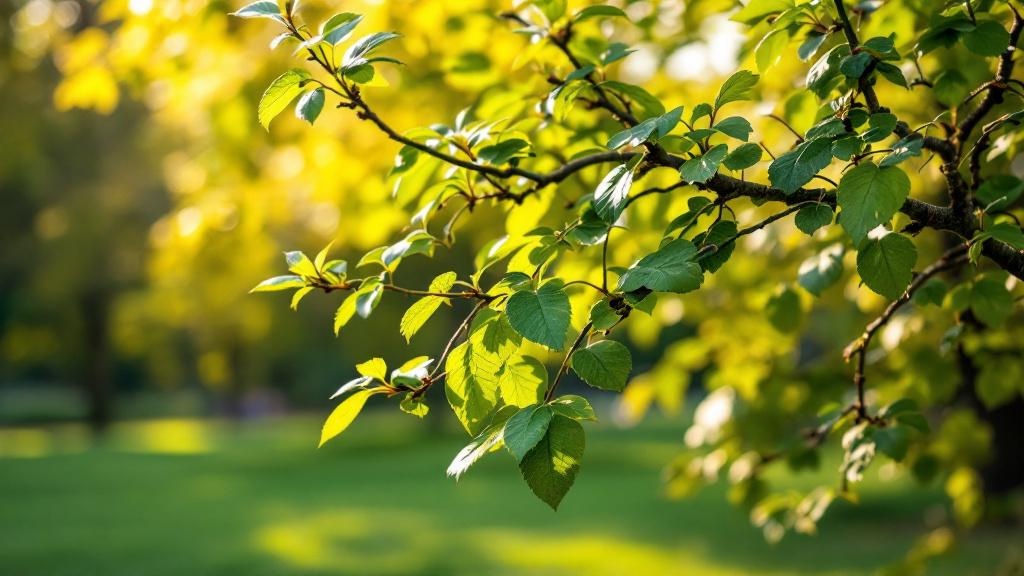
Watering Your Silver Birch Tree
Silver Birch has shallow, spreading roots that require consistent moisture, especially during the first 2-3 years after planting. Water deeply once per week during dry spells from April through September, providing roughly 25 liters per session for young trees. Established trees over 5 years old are more drought-tolerant but will drop leaves prematurely during prolonged dry periods in July and August. Mulch the root zone with 7-10 cm of bark chips each spring to retain soil moisture.
Light Requirements for Silver Birch
Silver Birch performs best in full sun, receiving at least 6 hours of direct sunlight daily. It tolerates partial shade but develops a less dense canopy and weaker bark coloration in shadier spots. In temperate gardens, plant on the south or west side of your property where the tree won't be overshadowed by buildings or larger trees. The dappled shade cast by birch makes it an excellent canopy tree for underplanting with shade-loving perennials.
Soil and Planting Silver Birch
Plant Silver Birch between late October and March while the tree is dormant, avoiding waterlogged or frozen ground. It prefers moist, well-draining, slightly acidic soil with a pH of 5.0-6.5 but adapts to most soil types except heavy, compacted clay. Dig a planting hole twice the width of the root ball and stake young trees for the first two winters. Avoid planting closer than 8 meters to buildings, as the vigorous root system can affect foundations and drainage.
Temperature and Climate Considerations
Silver Birch is exceptionally cold-hardy, tolerating temperatures down to minus 40°C, making it ideal throughout temperate regions. It handles UK winters, Central European cold snaps, and Northern US conditions without protection. However, it struggles in areas with hot, humid summers and performs poorly south of zone 8. Late spring frosts in April rarely damage established trees but may nip new growth on recently planted specimens.
Feeding Silver Birch Trees
Apply a balanced slow-release fertilizer in late March or early April as new leaves emerge. Use approximately 100g per meter of canopy spread, scattered around the drip line rather than against the trunk. Avoid high-nitrogen feeds after June, as this promotes soft growth vulnerable to early autumn frosts. Mature trees over 10 years old in reasonably fertile garden soil rarely need supplemental feeding.
Common Silver Birch Problems
Birch leaf miner is the most frequent pest in temperate regions, causing brown blotches on leaves from May onwards; remove affected leaves and consider systemic insecticide for severe infestations. Bronze birch borer attacks stressed trees, creating D-shaped exit holes in bark; maintain tree health through proper watering to prevent attacks. Birch rust fungus appears as orange pustules on leaf undersides in humid summers; improve air circulation and rake up fallen leaves in October to reduce reinfection.
Frequently asked questions
How fast does Silver Birch grow?
Silver Birch grows approximately 30-60 cm per year in good conditions, reaching 15-25 meters at maturity. Young trees grow fastest during their first decade. Expect a 2-meter sapling to reach 6-8 meters within 10 years in temperate gardens.
Why are my Silver Birch leaves turning yellow in summer?
Summer yellowing usually indicates drought stress or birch leaf miner damage. Check soil moisture and water deeply if dry; inspect leaves for mining trails inside the tissue. Severe infestations cause premature leaf drop but rarely kill established trees.
When should I prune Silver Birch?
Prune Silver Birch only between late November and early January while fully dormant. Birches bleed sap heavily if pruned in late winter or spring, weakening the tree. Remove only dead, crossing, or damaged branches; birches rarely need extensive pruning.
Can I grow Silver Birch in a small garden?
Silver Birch can work in smaller gardens if you choose a compact cultivar like Betula pendula Youngii, which reaches only 8 meters. Standard Silver Birch needs significant space due to its 15-25 meter height and spreading root system. Consider proximity to buildings and underground services before planting.
Is Silver Birch toxic to pets?
Silver Birch is not toxic to cats, dogs, or other household pets. The bark, leaves, and catkins are all considered non-toxic by veterinary authorities. However, large amounts of any plant material may cause mild digestive upset if consumed.
🩺 Common diseases and pests
These problems commonly affect this plant. Click any to see full symptom descriptions, organic and chemical treatment, and prevention.