Drought stress
📖 Overview
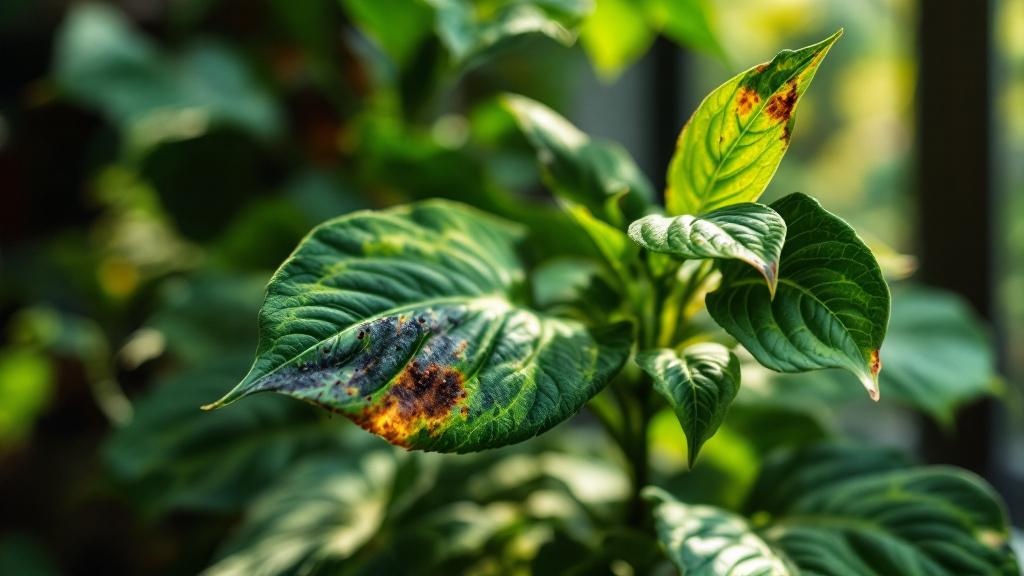
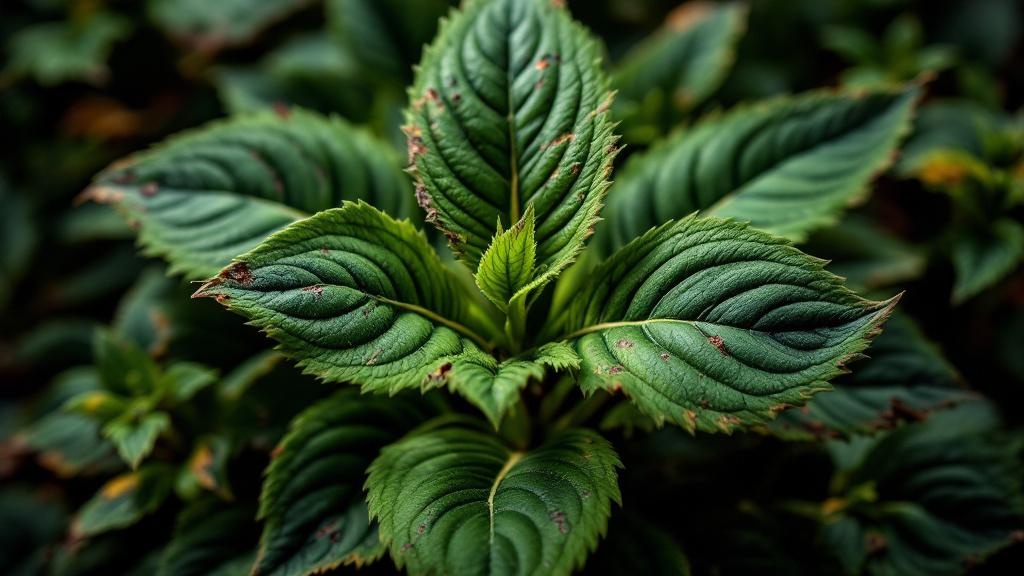
Drought stress happens when soil moisture drops below what your plants can access, even if you think you're watering enough. The problem isn't always obvious at first—a wilted leaf might perk up overnight—but persistent dry soil eventually causes permanent damage: leaf edges turn brown and papery, trees drop branches from the crown inward, and fruit becomes small and bland. In temperate climates, the danger window is typically mid-July through September, when rainfall becomes sporadic and heat peaks. The first warning sign is wilting that doesn't recover fully by evening, or brown scorching along leaf margins in a star-like pattern, especially on the outer canopy. This matters because drought stress weakens plants' ability to fight disease and pests, and it can kill established trees and shrubs within a single dry season—particularly moisture-lovers like hydrangeas, birches, and maples. It's easy to confuse drought stress with fungal wilts or nutrient deficiency, but the key difference is that wilts from disease don't respond to deep watering, and nutrient problems show yellowing rather than brown edges. Drought stress, by contrast, improves visibly within 24-48 hours of thorough soaking, though repeated stress cycles cause lasting damage to root systems.
🔍 How to identify
Lankadás amely öntözés ellenére is visszatér napon belül. Levél szegélyén nekrotikus barnulás (csillagforma). Fás növényeken: korai őszi-szín, ágszáradás a koronától kifelé. Gyenge gyümölcskötés és ízetlen, kis gyümölcs. Gyepben füvek "kalászosodása" + barnulás.
🌿 Common host plants
💊 Treatment
Mély (>30 cm), ritka öntözés gyepen és fán — NEM napi felszíni. Mulcsozás 5-7 cm-es szervesanyaggal (visszatartja a nedvességet, hűti a talajt). Felhasználói vízgyűjtés (hordó, csurgás).
Talajra antidehidráns (Vapor Gard) értékes ültetvénynél permetezhető. Talaj-nedvesítőszer (Aqua-Trap) homokos talajra.
🛡️ Prevention
Csepegtető rendszer (60-80% víztakarékos). Szárazságtűrő honos növények választása (Achillea, Sedum, Echinacea, Lavandula, Pinus). Talajba szervesanyag-bedolgozás (1% szerves = 4 mm víztartalék/30 cm).
💡 Notes
Klímaváltozással egyre jelentősebb. Magyarországon az utóbbi 5 évben a csapadékhiány 30-40%-kal nőtt nyári hónapokban. Korai-jellemzők: kísérleti füvek augusztusi vázzá-szárítása.
Frequently asked questions
How can I tell if my plant is truly drought-stressed and not diseased?
Drought-stressed plants wilt during hot afternoons but recover by evening after a cool night, whereas disease-caused wilts don't recover no matter the temperature. Brown scorching on leaf edges in a irregular star pattern is classic drought stress; fungal wilts cause sudden collapse or yellowing. The fastest test is to push a soil moisture meter or wooden stick 15-20 cm into the root zone—if it's bone-dry and the wilting stops after you water deeply, it's drought stress.
What's the safest way to water if I have kids and pets around?
Skip chemical soil wetting agents and focus on deep, infrequent watering instead—soak to at least 30 cm depth once or twice a week rather than light daily sprinkling. Lay a 5-7 cm mulch layer of wood chips or compost around plants to retain moisture and keep soil cool; it's completely safe for children and pets. If you want to catch and reuse rainwater from gutters, that's free and chemical-free irrigation for any garden size.
Can I save a tree or shrub that's already showing branch dieback from drought?
If only the outer crown is dead, yes—resume deep watering (30-40 cm) every 7-10 days through autumn and the following spring, and prune out the dead branches in late winter so the tree can redirect energy to healthy growth. But if the main trunk shows bark splitting or the entire crown is brown and crispy, the damage is likely beyond recovery and the plant will decline over one to two seasons; it's better to remove it and start fresh with a drought-tolerant species.
How does watering frequency change between lawn and trees?
Lawns need lighter but more frequent water because grass roots are shallow (5-10 cm), so water every 2-3 days during July-August drought; mature trees need deep soaking to 30-50 cm depth, but only once every 7-10 days because their roots go much deeper and can store moisture longer. The key difference is depth, not frequency—shallow daily sprinkling for either actually encourages weak root systems and makes drought stress worse.
Is it worth replanting with drought-tolerant varieties, and which ones work in temperate Europe?
Yes, especially given that summer dry spells have increased 30-40 percent over the past five years in central Europe and are likely to continue. Hardy natives like lavender, sedums, achillea, echinacea, and pines need 40-60 percent less water than hydrangeas or birches once established; they also cost less to maintain and attract pollinators. For shade, bergenia and ajuga are bulletproof; for sun, thyme and catmint need almost no supplemental water after the first year.
Not sure what's wrong? Take a photo!
Plantora's AI Plant Doctor identifies the issue from a single photo in seconds and gives you a tailored treatment guide.
Try AI diagnosis (free) →