Apple scab
📖 Overview
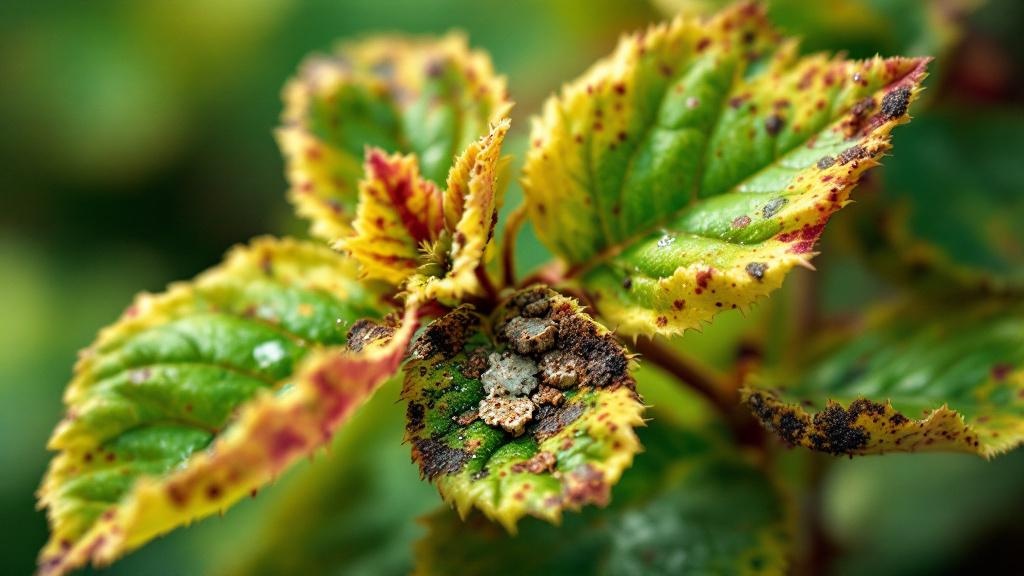
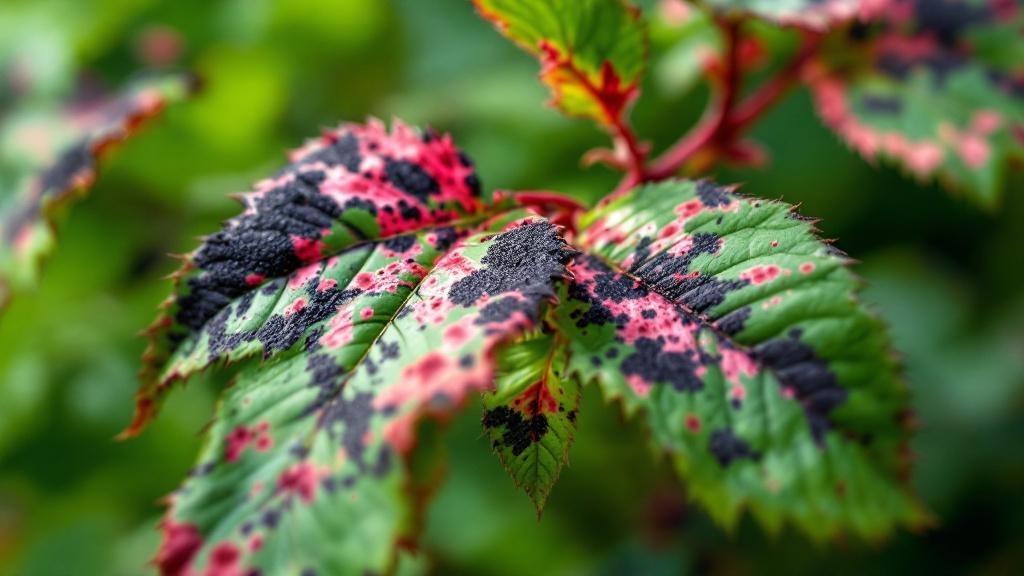
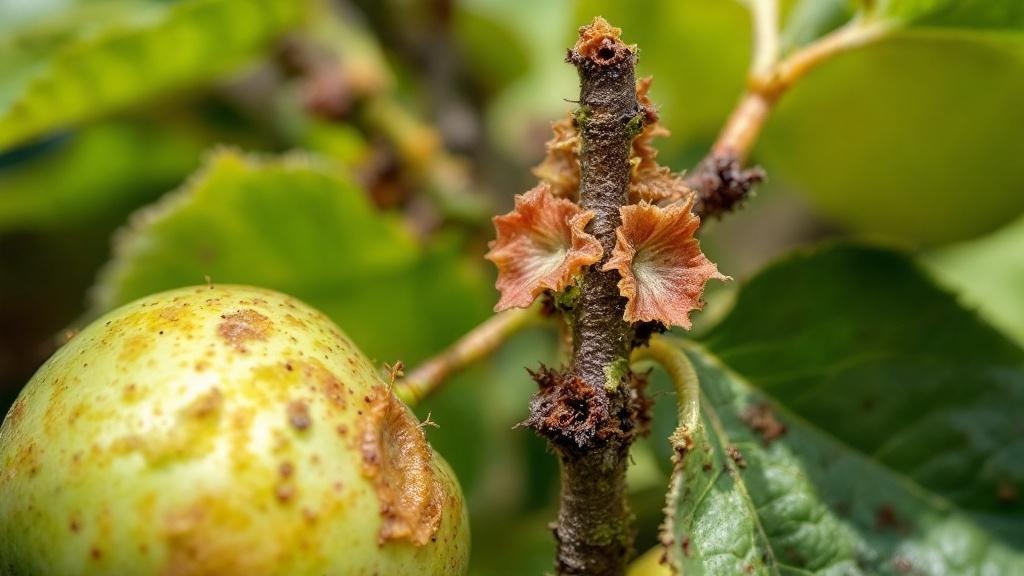
Apple scab is a fungal disease caused by Venturia inaequalis that affects apples and pears throughout temperate Europe and North America. The infection produces olive-green to black, velvety, circular spots on both sides of leaves, and on fruit develops as corky, cracked lesions that make apples unmarketable and eventually cause them to crack and rot. This is Hungary's most serious apple disease, and in wet springs it can devastate an entire harvest within weeks.
The disease matters because even light infection reduces fruit quality and yield, while severe scab can cause early leaf drop, weakening the tree for winter and reducing next year's crop. Home gardeners with just a few apple trees can lose entire harvests to scab in a poor spring, and infected fruit becomes inedible. Commercial growers have relied on frequent fungicide sprays for decades, but resistant varieties now offer a genuine alternative.
Apple scab strikes hardest from budbreak through flowering (late March to May in your region), when wet, cool conditions—particularly prolonged leaf wetness in rain or morning dew—trigger spore release from overwintering leaf litter. The first sign is usually small, dark, velvety spots appearing on young leaves in April or May, often concentrating on the lower leaf surface. Unlike powdery mildew, which coats leaves with white dust, scab spots stay dark, circular, and confined to leaf tissue, and they develop cracks on fruit rather than forming a powdery coating.
🔍 How to identify
Olívazöld-fekete, bársonyos, körkörös foltok a leveleken (mindkét oldalon). Almán parásodó, repedt foltok. Sérült alma "varas" lesz.
🌿 Common host plants
💊 Treatment
Bordói lé tavasszal rügyfakadáskor + virágzáskor. Hulló levelek elégetése.
Difenokonazol, miklobutanil, kaptán (Merpan).
🛡️ Prevention
Rezisztens fajták (Florina, Topaz, Reanda). Rendszeres metszés, levegőztetés.
💡 Notes
Magyarország fő almabetegsége. Esős tavaszokon különösen veszélyes.
Frequently asked questions
When exactly does apple scab start, and how quickly can it take over my tree?
Scab spores release during wet weather from budbreak (late March) through early June, with the danger window widest in April and May. Infection can spread rapidly in wet springs: a single rainy week in May can produce visible leaf spots within 10–14 days, and without control, 50% of leaves can be infected by midsummer. Dry springs delay and limit spread, but wet springs allow repeated cycles of infection.
Can I save an infected apple tree, or should I cut it down?
Even severely scabbed trees recover and produce healthy fruit again with proper management. Remove all infected leaves and fallen fruit in autumn, prune to improve air circulation, apply Bordeaux mixture at budbreak and flowering, and switch to resistant varieties (Florina, Topaz, Reanda) when planting new trees. Trees with good air flow and preventive spray programs usually show dramatic improvement within one season.
What's the safest spray for a backyard where children or pets play?
Bordeaux mixture (copper sulfate and lime) is the safest organic choice for family gardens and has been used safely for over 130 years. Apply it in early spring at budbreak and again at flowering, following label rates carefully. Sulfur is another low-toxicity option if copper causes leaf damage in very hot weather. Always spray in early morning or late evening to avoid drift, and keep children and pets away until foliage is dry.
Do I have to burn fallen leaves, or can I compost them?
You must burn or destroy infected leaves, not compost them, because the scab fungus overwinters in fallen leaf litter and releases spores the following spring. Even a compost pile that never gets hot enough to kill the fungus (above 60°C for several weeks) will spread the disease back onto your trees. Collect and burn all fallen leaves and any fruit that drop during the season, especially from late August through November.
Does rainy weather actually cause apple scab, or is that just a coincidence?
Wet weather is not a coincidence—it is the trigger. Spores need 12–18 hours of continuous leaf wetness from rain or dew to penetrate leaf tissue and establish infection, and they release most heavily during or just after rain. Warm, dry springs with little rain can produce almost no scab, while cool, wet springs (like 2010 or 2013 in Central Europe) can devastate even treated trees. If your forecast shows heavy rain in April–May, increase spray frequency to every 7–10 days.
Not sure what's wrong? Take a photo!
Plantora's AI Plant Doctor identifies the issue from a single photo in seconds and gives you a tailored treatment guide.
Try AI diagnosis (free) →