Powdery mildew
📖 Overview
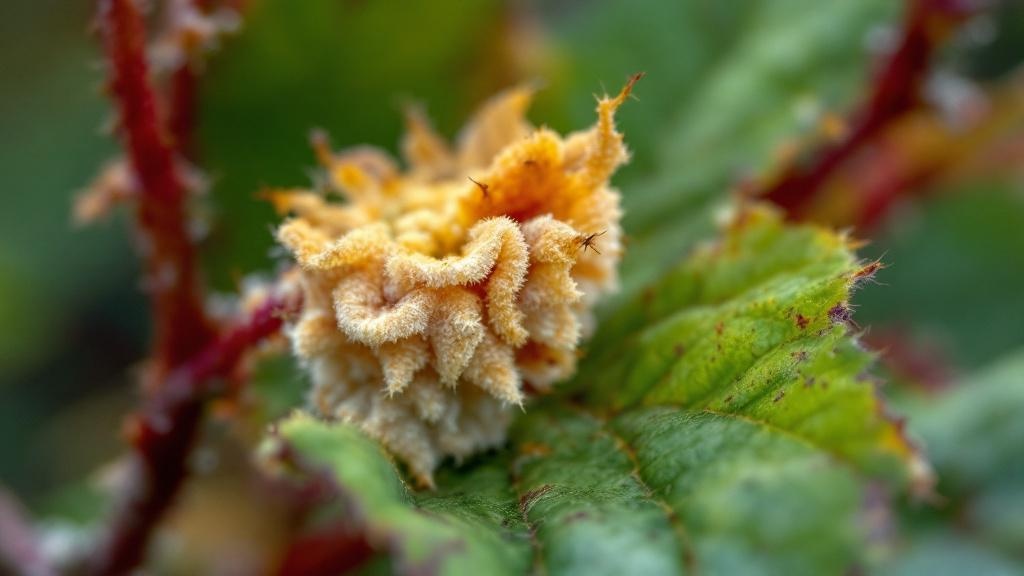
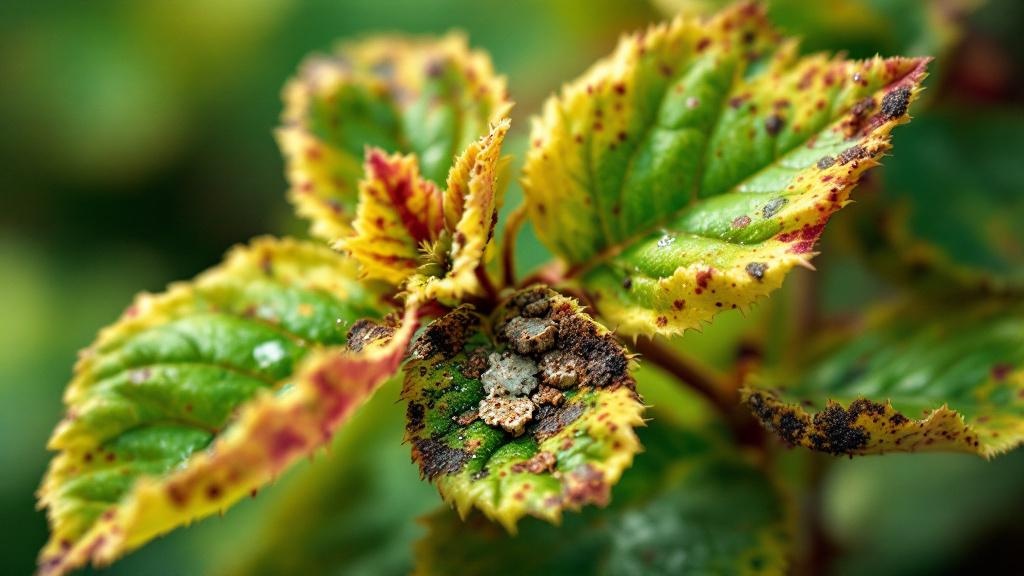
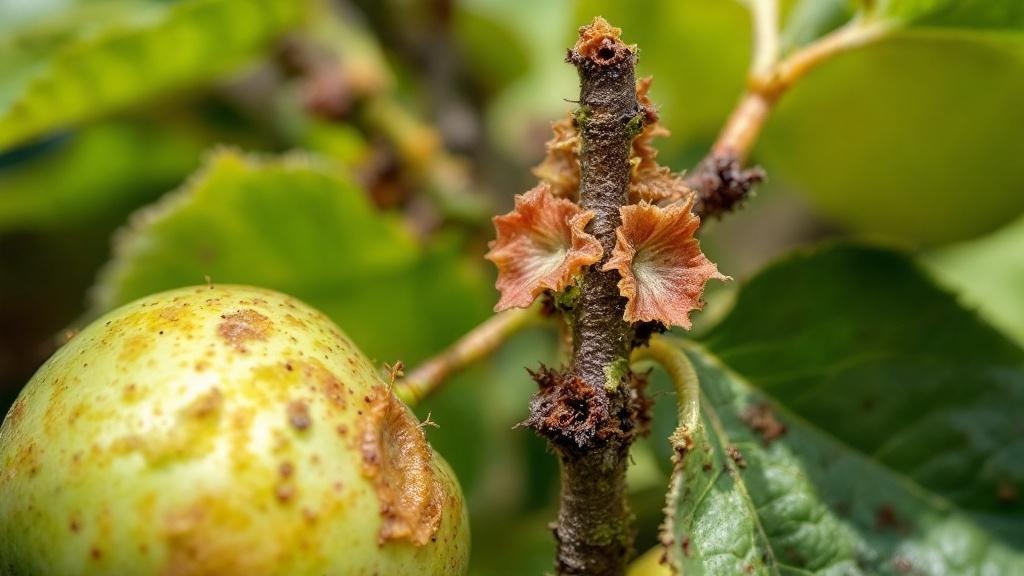
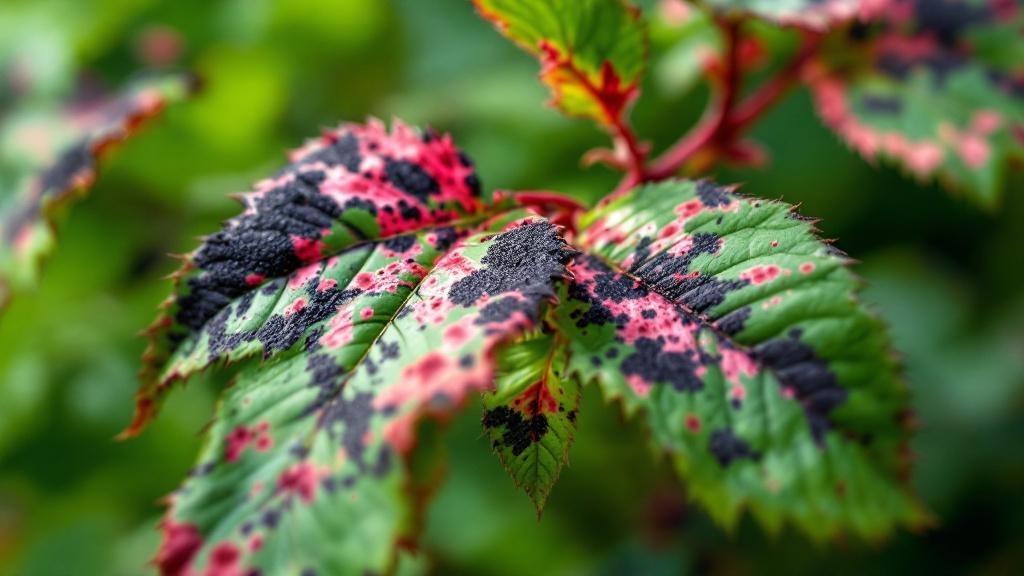
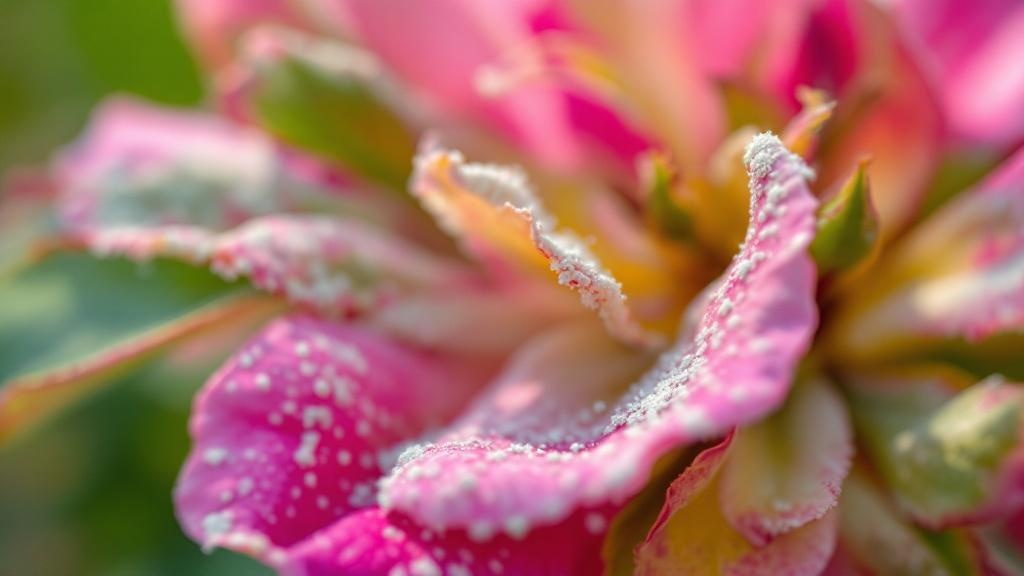
Powdery mildew is a fungal disease that appears as a white, dusty, flour-like coating on the upper surface of leaves—typically starting as small patches that gradually merge into larger affected areas. The undersides of leaves remain clean, which is the key way to tell it apart from downy mildew, a different fungal problem altogether. This disease thrives in the warm, dry summers of Central Europe and the UK, particularly from mid-July through August when temperatures hit 20–25°C and humidity levels are moderate to high. It's especially troublesome on ornamentals like roses, phlox, and crepe myrtles, as well as on edible crops like squashes and grapes, where it weakens the plant, reduces flowering or fruiting, and can significantly damage the aesthetic or commercial value of the crop.
The first sign to watch for is a faint white powder appearing on young leaves or shoot tips in early July, often before you notice it spreading to older foliage. Powdery mildew doesn't need free water on the leaf surface to germinate—in fact, it prefers dry conditions—which makes it different from many other fungal diseases and why it loves the hot, dry spells we get in summer. Once established, it can spread rapidly through airborne spores if conditions remain favorable, so early detection and quick action are your best tools for keeping it under control.
The good news is that powdery mildew is one of the most manageable fungal diseases in the home garden, with effective organic options available. Unlike some diseases that kill the plant outright, powdery mildew is primarily a cosmetic and vigor problem rather than a death sentence. With consistent prevention—proper spacing, morning watering, and good air circulation—you can avoid severe outbreaks altogether. If it does appear, a combination of cultural practices and organic fungicides like potassium bicarbonate, sulfur, or milk spray can control it without resorting to chemical options.
🔍 How to identify
Fehér, lisztes, lekapható bevonat a levelek színén (NEM fonák), kezdetben foltokban, később összefolyó. A fonák tiszta marad — ez különbözteti meg a peronoszpórától.
🌿 Common host plants
💊 Treatment
Kálium-bikarbonát (1%) + olajos szappan; tejes víz 1:10 hetente; kén-alapú (Microthiol Special, Kumulus DF). Levegőztetés javítása.
Triadimenol, miklobutanil (Systhane), tebukonazol (Folicur). Csak akkor, ha a bio nem elég.
🛡️ Prevention
Reggel öntözzünk, kerüljük a levél-vizezést este. Sűrű ültetés ellen ritkítás. Rezisztens fajták választása.
💡 Notes
Száraz meleg + magas pára együtt jellemző. Magyarországon nyár közepén pusztít.
Frequently asked questions
When exactly should I be watching for powdery mildew to appear?
The danger window in temperate climates is mid-July through mid-September, with peak infection usually in late July and August when nights are warm and humidity rises after hot days. Scout weekly starting in early July, focusing on young leaves and shoot tips where the disease first shows up.
How do I know if it's powdery mildew and not downy mildew or some other leaf problem?
Powdery mildew appears as a white, chalky coating on the TOP surface of leaves that you can rub off with your finger; downy mildew has a grayish fuzz on the underside of the leaf and yellowing on top. Powdery mildew also prefers dry conditions, while downy mildew thrives in damp, cool weather.
Is powdery mildew contagious to my other plants?
Yes, it spreads easily between plants via airborne spores, particularly in warm, dry conditions with moderate humidity. Roses, squashes, grapes, phlox, and maples are especially susceptible, so if one plant shows symptoms, check nearby plants immediately and isolate affected ones if possible.
Can I save a badly infected plant, or do I have to throw it away?
You can almost always save the plant because powdery mildew rarely kills it outright. Prune out the most heavily affected leaves, improve air circulation by thinning crowded growth, apply organic fungicides like sulfur or potassium bicarbonate every 7–10 days, and ensure good morning watering practices—most plants recover by autumn.
What's the safest organic spray to use if I have kids or pets around?
Potassium bicarbonate (1% solution) mixed with horticultural oil or milk spray (1 part milk to 10 parts water) are both food-safe, low-toxicity options you can use weekly. Sulfur dust or sprays are also organic-approved and very effective, though you should avoid sulfur if you've used horticultural oils within 2 weeks or in temperatures above 27°C.
Not sure what's wrong? Take a photo!
Plantora's AI Plant Doctor identifies the issue from a single photo in seconds and gives you a tailored treatment guide.
Try AI diagnosis (free) →