Black spot of rose
📖 Overview
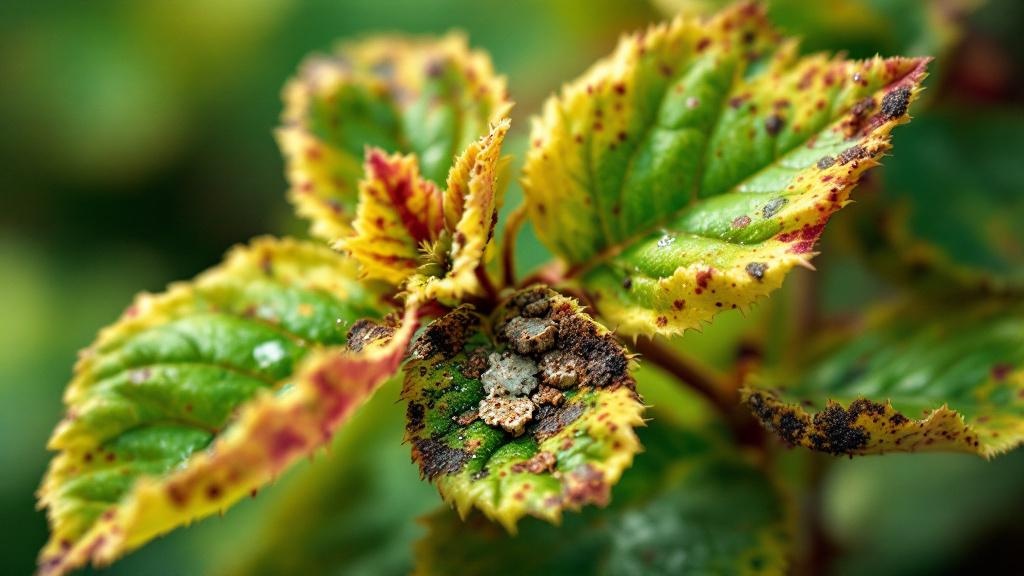
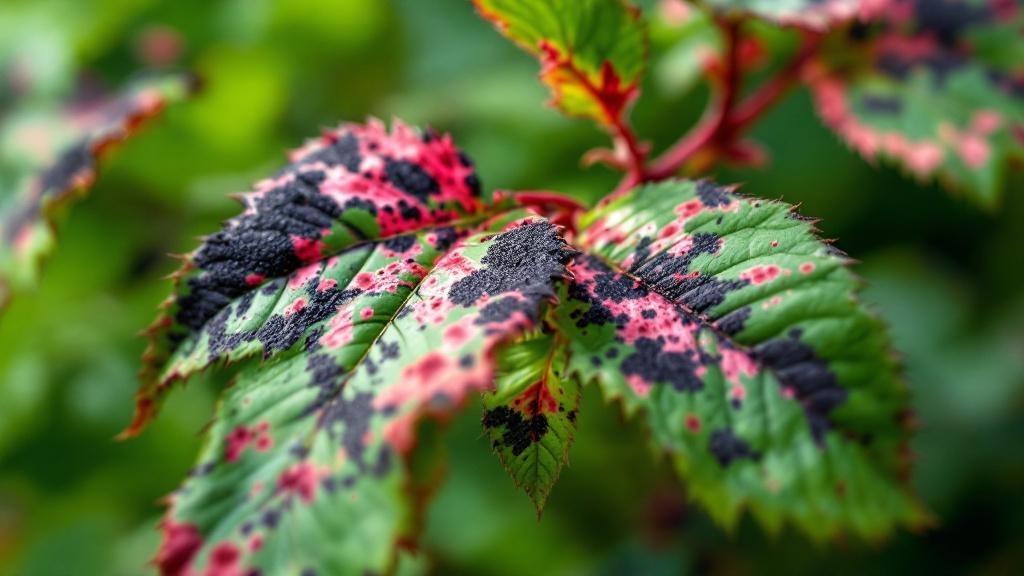
Black spot is a fungal disease caused by Diplocarpon rosae that appears as distinctive round, dark lesions with fringed edges on rose leaves, typically surrounded by a yellowing halo. It's one of the most common and frustrating rose diseases in temperate climates, capable of stripping a plant nearly bare of foliage by midsummer if left unchecked. What makes it particularly troublesome is that it thrives in the exact conditions many gardeners create—warm, humid mornings with wet foliage—and once established, it spreads rapidly through water splash and air movement, moving from lower leaves upward throughout the growing season.
The disease matters because a heavily defoliated rose not only looks unsightly but becomes weakened and vulnerable to other stresses, flowering diminishes, and the plant may struggle to survive winter. Roses are by far the most affected ornamental, though some wild rose species and related plants can be susceptible too. In continental temperate regions like yours, black spot typically emerges in late spring (May onwards) as temperatures warm and humidity rises, peaks during the damp months of June through August, and can flare again in autumn if conditions remain wet.
The first sign you'll notice is usually small dark spots appearing on the lower, older leaves first—a tell-tale of a splash-borne fungus working its way up the plant. These spots are unmistakable: perfectly round to slightly irregular, jet black with a characteristic jagged or fringed border, and almost always surrounded by a distinct yellow halo that can extend well beyond the spot itself. What separates black spot from other rose leaf problems is that combination of the black color, the frayed edge, and the yellow ring; powdery mildew, by contrast, looks like a white coating, and rust appears as orange pustules on the leaf undersides.
The good news is that black spot is manageable with a combination of cultural practices and targeted treatments, and resistant varieties exist. Understanding your local humidity patterns and choosing your watering time carefully—morning, not evening—is often the first real step toward keeping it in check.
🔍 How to identify
Kerek, fekete, rojtos szélű foltok a leveleken (mindkét oldalon), körülöttük sárguló glóriával. Súlyos esetben az egész növény defoliálódik.
🌿 Common host plants
💊 Treatment
Bordói lé, kén. Fertőzött levél azonnali eltávolítása (NE komposztra!).
Mankoceb, miklobutanil, triadimenol. Tavasszal megelőző permetezés.
🛡️ Prevention
Rezisztens fajták (ADR-jelű rózsák). Reggel öntözés, nem este. Levegőztetés.
Frequently asked questions
When exactly do I need to start spraying for black spot, and how often?
Begin preventive sprays in late April or early May, before the disease appears, and continue every 7-10 days through August or until September rains ease. Once you spot active lesions, increase frequency to every 5-7 days and be more aggressive with removal of infected leaves.
Can I save a rose that's already heavily infected, or should I just rip it out?
Most roses can be saved even if heavily defoliated, as long as the canes themselves aren't dead; remove all spotted and yellowing leaves immediately (do not compost them), prune out dead wood, improve air circulation, and begin a strict spray schedule. It may take until next season to fully recover, but roses are resilient.
What's the safest way to treat black spot if I have kids or pets around?
Bordeaux mixture (copper-based) and sulfur dust or spray are your best organic options and have long safety records in home gardens; always spray in the early morning or evening when children and pets aren't playing nearby, and keep them away until foliage is dry. Remove infected leaves by hand as your first line of defense—this alone can break the cycle.
Does black spot spores survive the winter in my garden, and do I need to clean up fallen leaves?
Yes, the fungus overwinters on fallen leaves and infected canes, so absolutely clean up all dropped rose leaves in autumn and do not compost them—burn or bin them instead. Prune out any canes showing dark lesions in late winter as well.
Are disease-resistant roses really worth buying instead of my favorite varieties?
If black spot is a chronic problem in your garden, switching to ADR-certified roses (which carry the German disease-resistance seal) or other resistant cultivars can save you enormous time and frustration; many are beautiful, modern varieties. However, even resistant roses benefit from good air flow and morning watering, so prevention habits matter regardless of variety.
Not sure what's wrong? Take a photo!
Plantora's AI Plant Doctor identifies the issue from a single photo in seconds and gives you a tailored treatment guide.
Try AI diagnosis (free) →