Botrytis / grey mold
📖 Overview
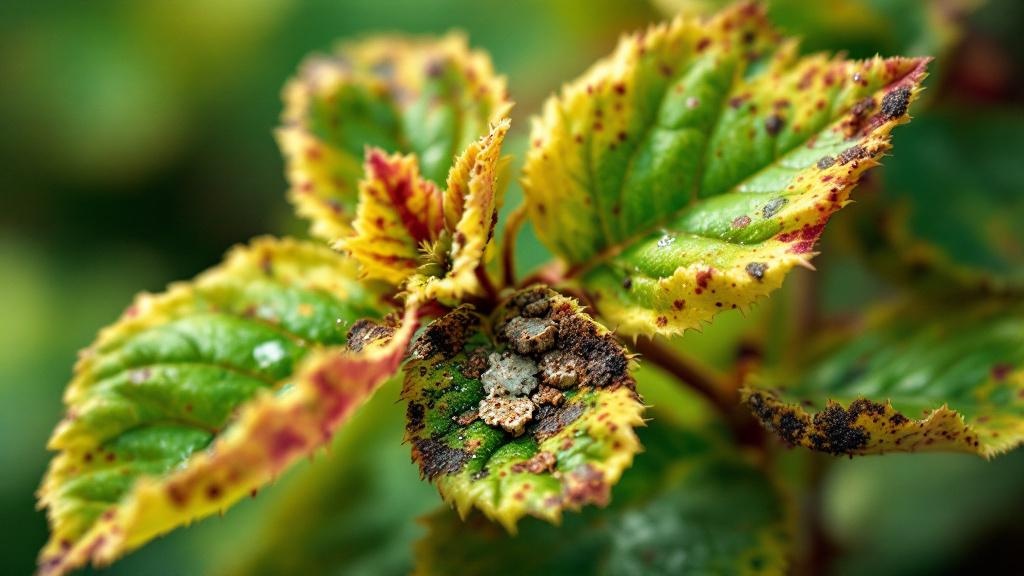
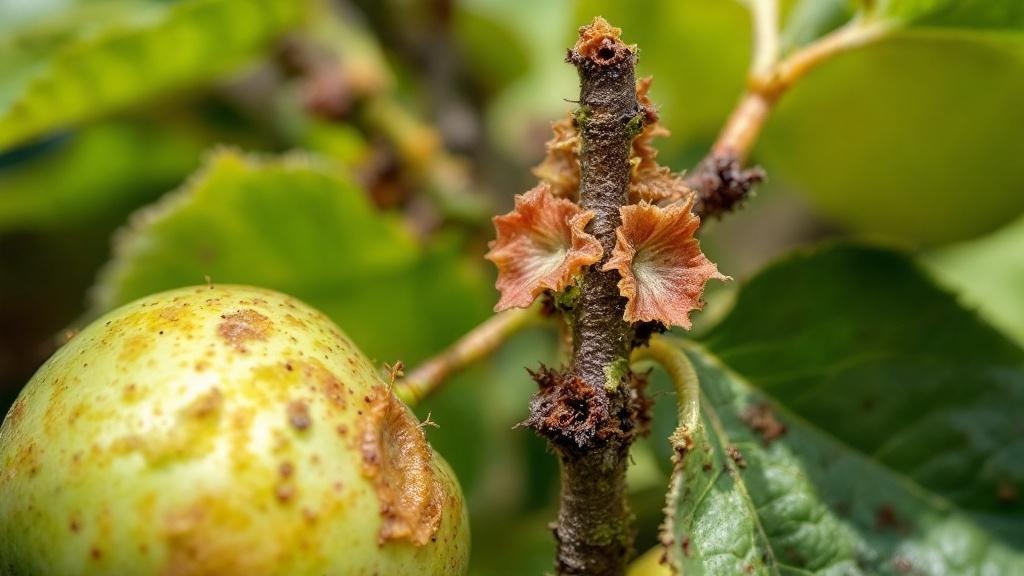
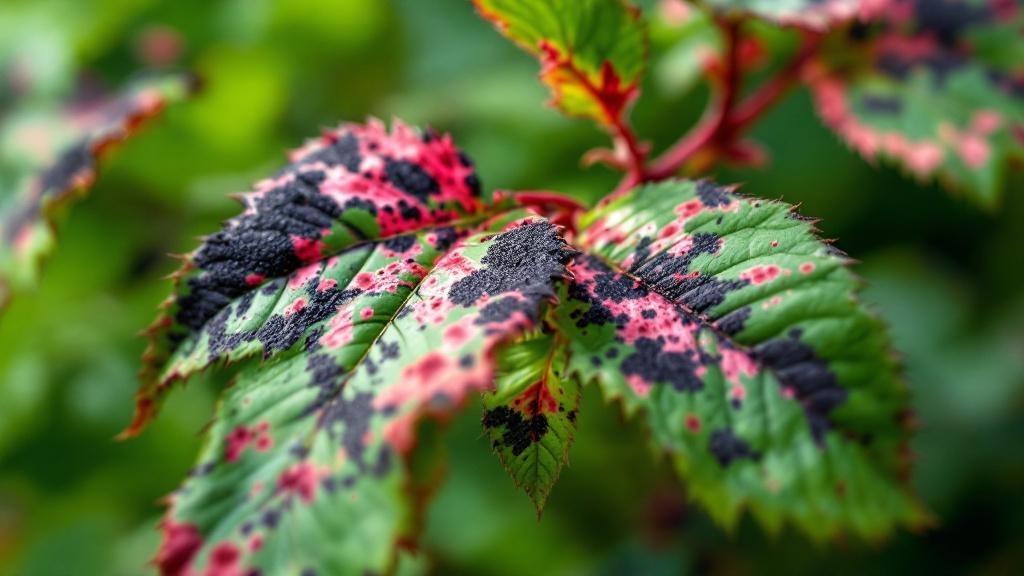
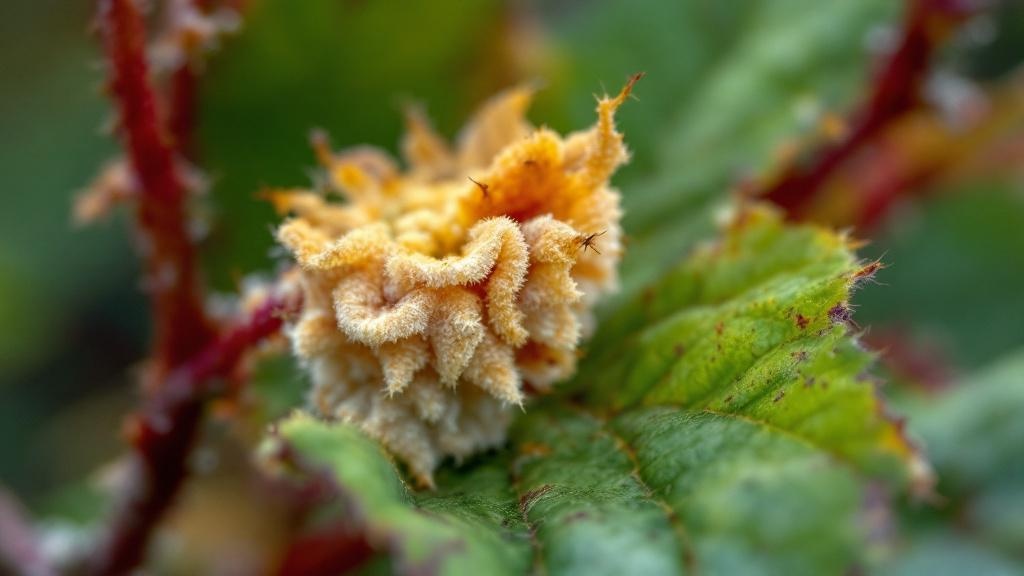
Grey mold, caused by the fungus Botrytis cinerea, is one of the most common fungal diseases in temperate gardens, striking everything from strawberries and grapes to roses and salad greens. You'll recognize it by its distinctive grey-brown, velvety or cobweb-like fuzz that appears on flowers, fruits, and leaves—and when you touch it, a cloud of spores puffs away. This fungus thrives in cool, humid conditions, making spring and autumn the danger seasons, though it can flare up whenever wet foliage lingers too long. The first sign is usually small water-soaked spots that quickly turn soft and fuzzy, often starting on flower petals or wounded fruit.
Why it matters: Botrytis can wipe out an entire strawberry or tomato crop in wet years, turn roses to mush before they open, and make young lettuce unpresentable within days. In vineyards and orchards, it causes serious economic loss. Even a few infected fruits or flowers left untreated can spread spores throughout your garden, especially if you brush past wet plants or move them around.
The key to beating grey mold is prevention through air circulation and moisture management. Unlike many fungal diseases that hide in soil, Botrytis spreads primarily through airborne spores during damp periods—so good ventilation, removing dead flowers and damaged fruit promptly, and avoiding overhead watering in the evening are your strongest defenses. Once infection takes hold, organic and chemical options exist, but they work best when combined with these cultural practices.
Don't confuse Botrytis with powdery mildew, which produces a white, chalky coating that doesn't puff when touched, or with downy mildew, which shows yellow patches on upper leaves with a grey fuzz only on the underside.
🔍 How to identify
Szürke-barnás, pókhálós penészbevonat romlott szöveten. Bogyókon, virágokon, leveleken egyaránt. Érintésre porzik a spóra.
🌿 Common host plants
💊 Treatment
Megelőzés a fő — eltávolítás + jó szellőzés. Bacillus subtilis-alapú (Serenade). Trichoderma-alapú talajoltás.
Fenhexamid (Teldor), iprodion (Rovral), boscalid + pyraclostrobin (Signum).
🛡️ Prevention
Magas pára kerülése. Sérült gyümölcs azonnali leszedés. Komposztba NE, kukába!
Frequently asked questions
How fast does grey mold spread from one plant to another?
Botrytis spreads rapidly in cool (15–20°C), humid conditions—spores can colonize a fresh flower or soft fruit within 24–48 hours of landing on it. In wet weather or high-humidity greenhouses, an outbreak can consume an entire planting within 3–7 days, which is why early removal of infected material is so critical.
Can I save an already-infected plant, or do I have to destroy it?
If only a few flowers or leaves are affected, remove them immediately and improve air circulation—the plant can often recover. If the disease has spread to the fruit or the crown (especially in strawberries), that fruit or plant is usually lost, but the rest may survive if you act fast and apply organic fungicides like Bacillus subtilis-based products (Serenade) every 7–10 days until conditions dry out.
What weather conditions trigger a grey mold outbreak?
Cool temperatures (12–18°C), high humidity above 85%, and prolonged leaf wetness are perfect for Botrytis to explode. Late spring and autumn are peak danger windows in temperate zones; summer heat usually suppresses it unless you're watering overhead in the evening or growing in a humid greenhouse.
Can I compost infected leaves, flowers, and fruit?
No—do not compost any Botrytis-infected material; Botrytis spores survive most home compost temperatures and will re-infect your garden. Dispose of infected plant parts in garden waste bins or seal them in bags for collection; only completely healthy prunings should go to compost.
Does grey mold overwinter in the soil or on plant debris in the garden?
Yes, Botrytis survives winter as tough resting structures (sclerotia) in dead plant material left on the soil surface and on fallen leaves and stems. Clean up all dead foliage, flowers, and stems thoroughly in autumn, especially around roses, strawberries, and perennials, to reduce the spring inoculum load.
Not sure what's wrong? Take a photo!
Plantora's AI Plant Doctor identifies the issue from a single photo in seconds and gives you a tailored treatment guide.
Try AI diagnosis (free) →