Cherry fruit fly
📖 Overview
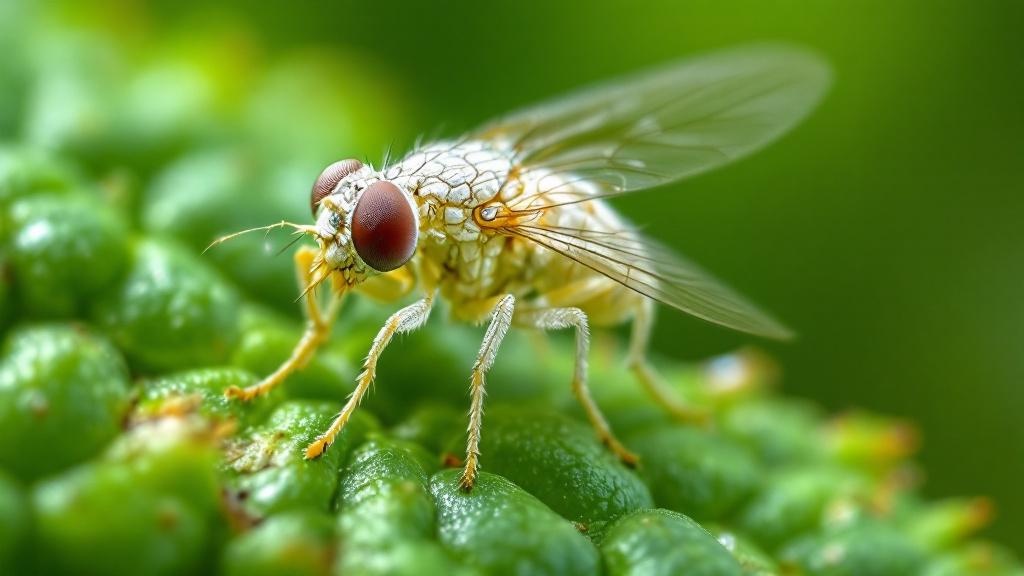
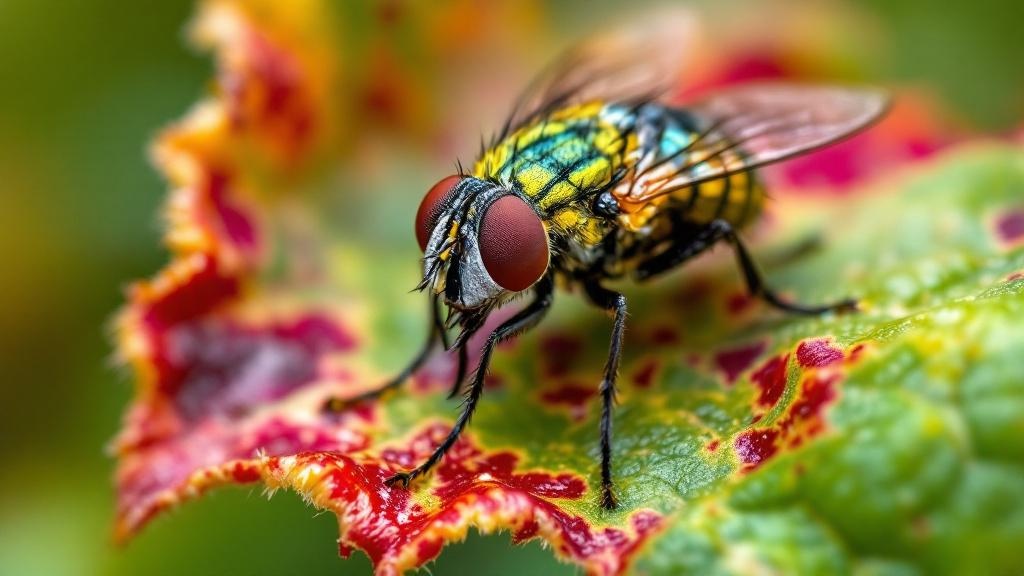
Cherry fruit fly is a small pest whose larvae tunnel through ripening cherries, leaving tiny entry holes and turning the fruit mushy and inedible from the inside out. The adult flies are about the size of a housefly and emerge in early June to lay eggs directly into developing fruit. This pest is particularly serious for late-ripening cherry varieties, where infection rates can climb from just 5-10% in early harvest to 40-90% by late season, essentially ruining your crop if left unchecked.
The timing of cherry fruit fly is predictable and tied to your local climate. In temperate zones across Central Europe and the UK, adult flies begin emerging around early June and remain active through July and into August. The danger window is typically June through mid-July, when flies are actively laying eggs in fruit that is still 2-3 weeks away from maturity. The first sign you'll notice is tiny dark puncture marks on the cherry skin, and if you cut one open, you'll see a small white larva inside. This distinguishes it clearly from other cherry problems like bacterial canker, which causes oozing gum and branch dieback, or fungal rots, which usually start as soft spots without the tell-tale entry hole.
Why this matters: cherries are prized for their quality and sweetness, and even a single infested fruit ruins the eating experience. In a home garden, losing 50% of your harvest to fruit fly is demoralizing and wasteful. The good news is that early-ripening varieties like Burlat and Margit naturally escape much of this damage because they ripen before the peak fly activity. For gardeners with later varieties, a combination of monitoring with yellow sticky traps starting in early June and protecting fruit with fine netting or well-timed organic sprays can keep losses to a few percent.
🔍 How to identify
A gyümölcs felszínén apró pont, belül fehér, 4-5 mm-es kukac. A gyümölcs lágyul, megrohad. A férges-gyümölcs aránya az érés sorrendje szerint nő (késő-érésű fajták 40-90%).
🌿 Common host plants
💊 Treatment
Sárgalap-csapda monitor (június elejétől). Háló (1,2-1,5 mm). Korai-érésű fajták (Burlat, Margit) gyakorlatilag mentesülnek.
Spinosad, deltametrin érés előtt 14-20 nappal, ha 1+ légy/csapda/nap. Karenciális idő ELLENŐRZÉSE!
🛡️ Prevention
Korai fajták (a légy később rajzik). Hullott gyümölcs eltávolítása. Tisztítás a fa körül (a bábok a talajban telelnek).
Frequently asked questions
When exactly should I start monitoring for cherry fruit fly, and how will I know if I need to treat?
Begin hanging yellow sticky traps in early June at canopy height, checking them every 3-4 days. If you see one or more flies per trap per day by mid-June, treatment is warranted within the next 7-10 days, since egg-laying will intensify quickly. After the first flight peak (usually by late June), monitor weekly to catch any second emergence.
Can I still save my cherry tree if I spot infested fruit, or do I need to cut it down?
You absolutely do not need to remove the tree. Infested fruit can be pruned off and destroyed immediately, and the tree will produce healthy fruit again next year if you manage the pest. Remove all fallen cherries from beneath the tree through August, since larvae pupate in the soil over winter; this single step breaks the pest cycle and reduces next year's population by 50-80%.
What's the safest organic spray I can use if I have young children or pets nearby?
Spinosad is a naturally derived bacterial toxin approved for organic gardening and is relatively safe for mammals once dry; apply it 14-20 days before harvest and keep children and pets away during spraying and for a few hours after. Fine mesh netting (1.2-1.5 mm) draped over trees in early June is equally effective, has zero toxicity, and avoids spray altogether if you can manage the effort.
Where do cherry fruit flies hide in winter, and how does that affect my cleanup plan?
The pupae overwinter 2-5 cm deep in the soil beneath the tree, which is why removing dropped fruit is so critical. Rake away leaves and debris in late autumn, and lightly cultivate the top few centimeters of soil around the tree's base if possible; this exposes pupae to frost and reduces spring emergence significantly.
I have both early and late cherry varieties—should I treat both, or focus my effort on one?
Early varieties like Burlat and Margit ripen before peak fly activity (by early-to-mid July) and are naturally protected, so they rarely need treatment. Focus all your monitoring and spraying effort on late-ripening varieties, which remain vulnerable through July and August. This also saves you time and keeps chemical or spray use to a minimum.
Not sure what's wrong? Take a photo!
Plantora's AI Plant Doctor identifies the issue from a single photo in seconds and gives you a tailored treatment guide.
Try AI diagnosis (free) →