Cherry leaf spot
📖 Overview
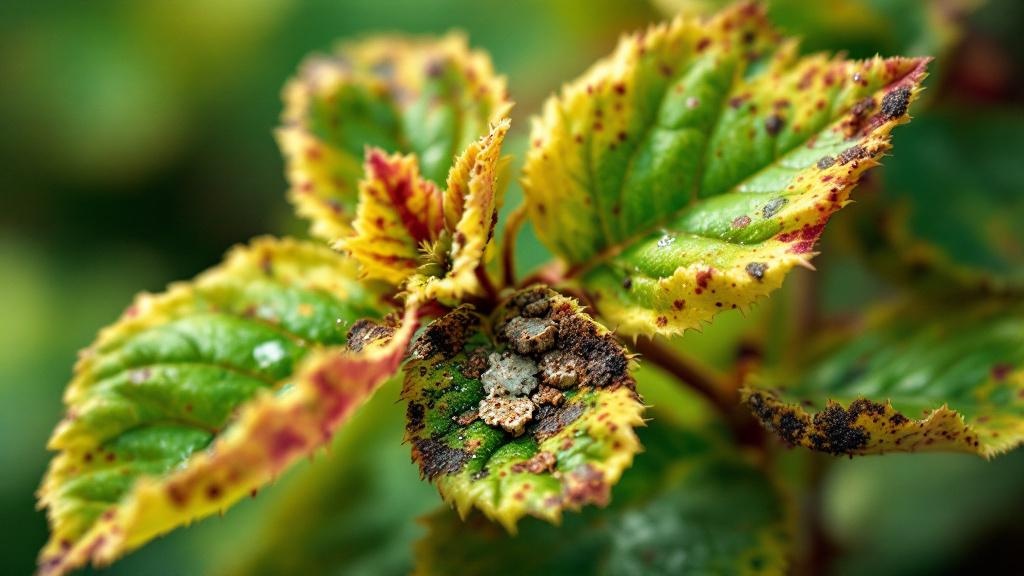
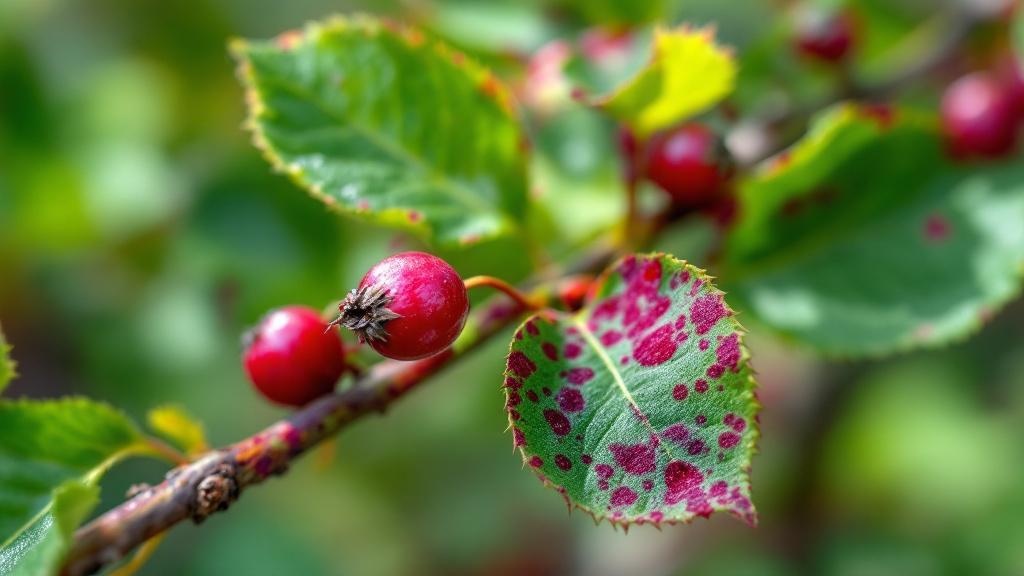
Cherry leaf spot is a fungal disease caused by Blumeriella jaapii that strikes sweet and sour cherry trees across temperate regions. You'll first notice small reddish-purple spots, about 1-3 mm across, appearing on leaves from June onward. As the disease progresses, the centers of these spots dry and turn brown, and by mid-summer the tree begins dropping leaves wholesale—sometimes stripping nearly bare by August, weeks before harvest. This early defoliation matters because it weakens the tree, reduces next year's fruit bud formation, and opens the door to winter injury.
Cherry leaf spot thrives in the wet, cool springs and early summers typical of temperate zones, particularly when trees are crowded or poorly ventilated. The fungus overwinters on fallen leaves on the ground, so what happens in autumn—whether you rake and remove debris—directly determines how severe the following season will be. Young and older trees alike are vulnerable, though sour cherries (Prunus cerasus) often suffer more noticeably than sweet cherries.
The window of greatest risk runs from June through August, with infections accelerating whenever spring brings wet weather. You can tell cherry leaf spot apart from other leaf problems by its distinctive reddish-purple halo and the timing: it appears mid-season and causes rapid, wholesale leaf loss, whereas other cherry leaf issues tend to be less dramatic or appear earlier in the season. Catching it early—spotting those first small lesions in June—gives you the best chance to keep your tree healthy and productive.
🔍 How to identify
A leveleken bíborvörös, 1-3 mm-es foltok júniustól. A foltok közepe később barnává szárad. Korai (júliusi-augusztusi) levélhullás — a fa lecsupaszodik még szüret előtt.
🌿 Common host plants
💊 Treatment
Réz-alapú szerek (Bordói lé) virágzás után 14 napos időközzel. Lehullott levél begyűjtése + komposzt-mélyre vagy elégetés.
Dodine, kaptán, miklobutanil. Heti rendszerességgel a kritikus időszakban.
🛡️ Prevention
Lombhullás utáni gereblyézés alapvető (a spórák a hullott levélen telelnek át). Szellős koronaalakítás. Rezisztens fajták (Schattenmorelle).
Frequently asked questions
When exactly should I be watching for the first signs of cherry leaf spot?
Start scouting leaves in late May and early June, especially after rain or humid weather; this is when the reddish-purple spots first appear. By mid-June to July, if conditions are wet, the disease escalates rapidly and leaves begin to drop, so early detection in June is your best window for intervention.
Can I save a heavily infected cherry tree or do I have to cut it down?
A severely defoliated tree in August is stressed but rarely beyond saving. Focus on aggressive cleanup that autumn (rake every fallen leaf), prune for better air circulation, and spray with copper-based fungicide (such as Bordeaux mixture) starting the following spring at 14-day intervals after flowering—most trees recover well within a season or two with this routine.
Does cherry leaf spot overwinter in the soil and on fallen leaves?
Yes, the fungal spores overwinter primarily on infected leaves lying on the ground; this is why thorough raking and removal of all fallen leaves in autumn is the single most effective prevention step. Collect leaves in October-November after they've all dropped, compost them deeply (18 inches down) or burn them rather than leaving them scattered under the tree.
What are the safest organic treatments for a garden where children and pets play?
Copper-based fungicides like Bordeaux mixture (applied after flowering at 14-day intervals through July-August) are low-toxicity and well-tolerated around families; wear gloves when mixing and spray in late afternoon to minimize leaf burn. Combining this with strict leaf cleanup and thinning the canopy for air flow gives most home gardeners good results without synthetic chemicals.
Are resistant cherry varieties really worth switching to, or should I stick with my current tree?
Resistant varieties like Schattenmorelle (a sour cherry) show significantly better resistance and can be worth the replanting effort if your current tree is young or repeatedly devastated; however, if your tree is mature and you're willing to implement consistent cleanup and copper spraying, you can manage susceptible varieties successfully without replanting.
Not sure what's wrong? Take a photo!
Plantora's AI Plant Doctor identifies the issue from a single photo in seconds and gives you a tailored treatment guide.
Try AI diagnosis (free) →