Nitrogen deficiency
📖 Overview
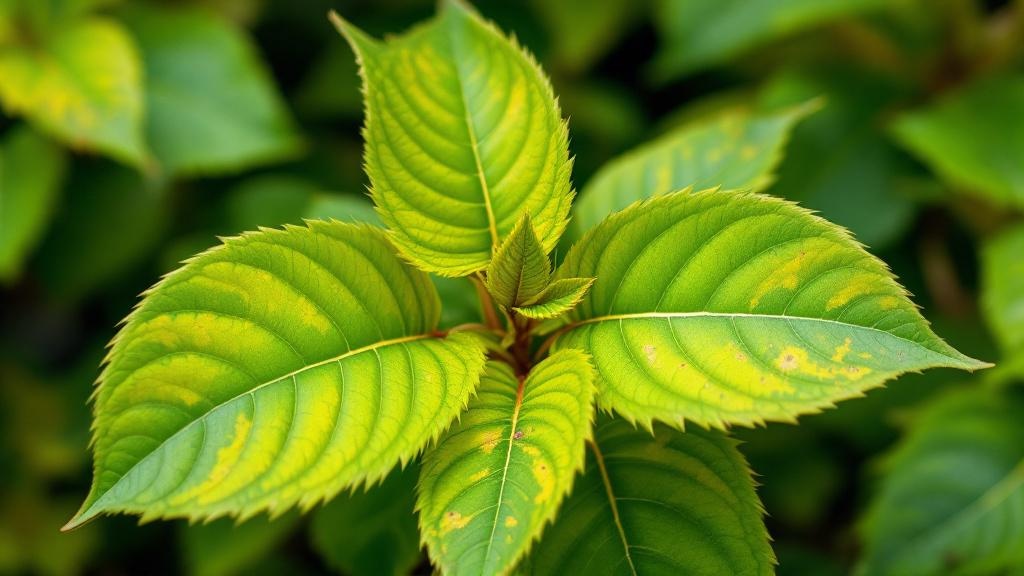
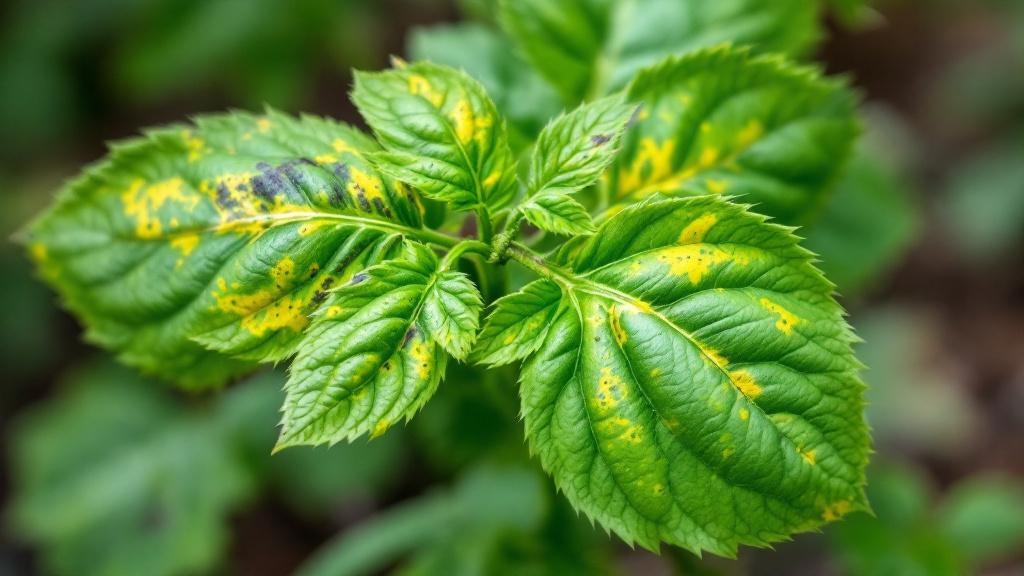
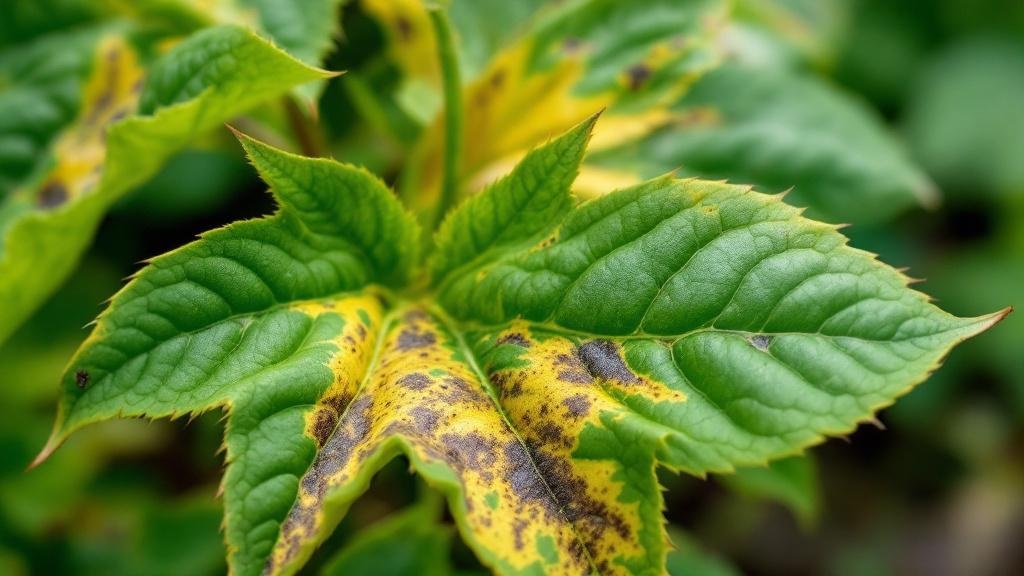
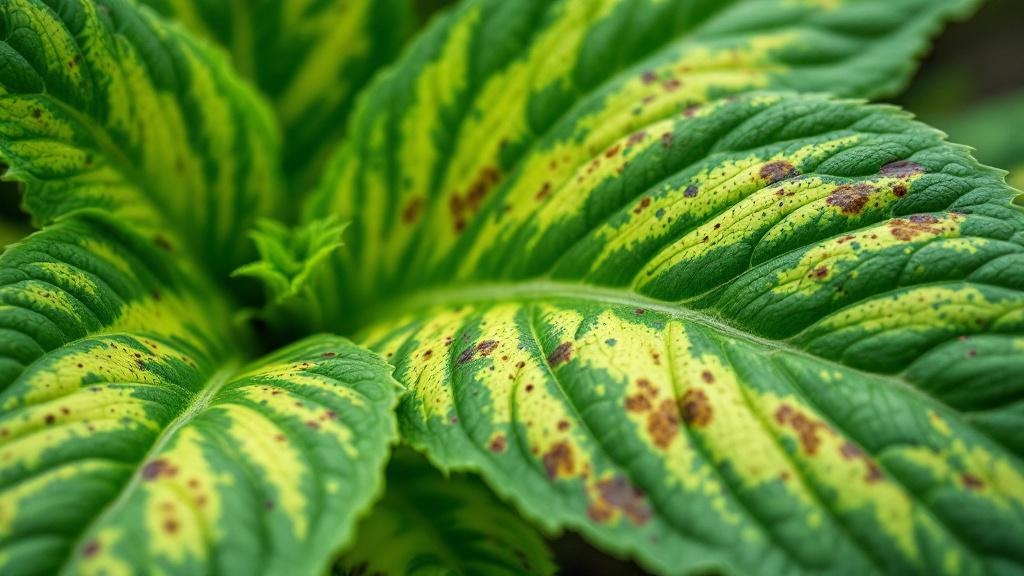
Nitrogen deficiency is one of the most common nutrient problems home gardeners face, yet it's also one of the easiest to spot and fix. When plants don't have enough nitrogen, the oldest leaves at the bottom of the plant turn a uniform pale yellow-green, including the leaf veins, while growth slows to a crawl and stems become thin and weak. This matters because without adequate nitrogen, your vegetables won't produce well, ornamentals look tired and sparse, and even established perennials fail to fill out properly. The problem typically shows up in late spring through early autumn as soil reserves deplete, though it can appear anytime if your garden's soil was poor to begin with.
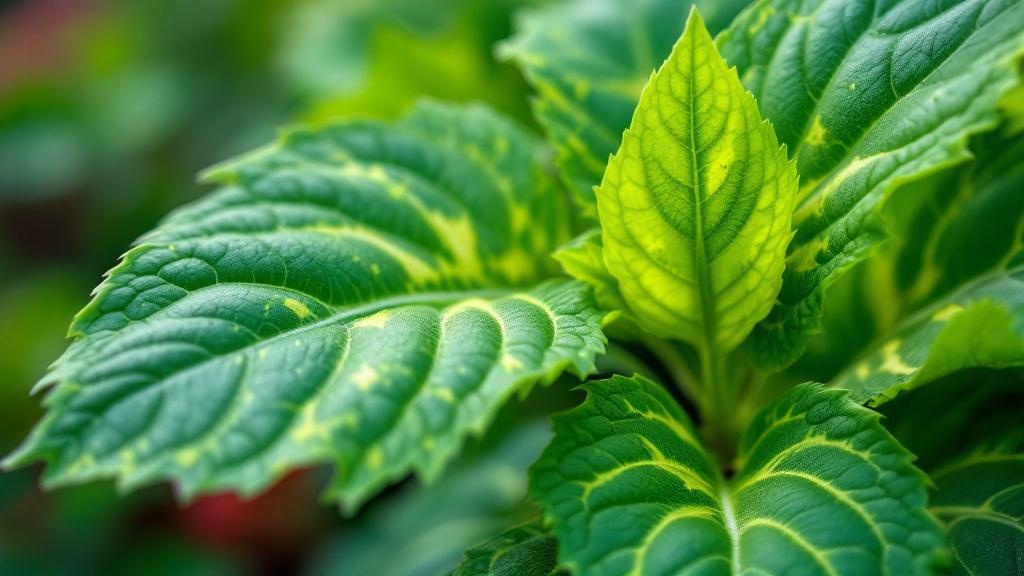
The first sign is always those lower, older leaves fading evenly to yellow, often while upper leaves stay green. This is nitrogen on the move: as plants sense shortage, they pull the nutrient up from older tissue to feed new growth. The key difference from magnesium deficiency (which looks similar) is that in magnesium deficiency the leaf veins stay green while tissue between them yellows—with nitrogen deficiency, the entire leaf pales together. Nitrogen moves freely in the plant and soil, so deficiency appears gradually across the whole plant rather than suddenly on just new growth.
🔍 How to identify
AZ ALSÓ (öregebb) levelek halványzöldek-sárgulnak EGYENLETESEN, levél-erekkel együtt. A növény vékony, gyenge, lassú növés. Magnéziumhiánytól megkülönböztethető: mg-hiánynál az erek zöldek maradnak.
🌿 Common host plants
💊 Treatment
Komposzt, érett trágya, baromfitrágya pellets (Vegasol). Csalánlé (lengyelnek hívják). Hús-csontliszt.
Karbamid (urea), ammónium-nitrát. Vízoldódó (Yara Mila Complex, Hortilon).
🛡️ Prevention
Talajteszt évente. Egészséges talajélet (komposzt).
Frequently asked questions
How can I quickly tell nitrogen deficiency from magnesium deficiency?
In nitrogen deficiency the entire old leaf turns uniformly pale yellow-green, veins and all. In magnesium deficiency the veins remain green while the tissue between them yellows—think green skeleton on a yellow leaf. If you're unsure, nitrogen problems respond in 7-10 days to a quick feed, while magnesium takes longer.
What's the fastest fix if my vegetables are struggling right now?
A liquid feed—either diluted urea solution or a water-soluble balanced fertiliser like Yara Mila—works within days. Dissolve according to label rates and water at the base every 7-10 days until new growth turns green. For a gentler organic approach, nettle tea (comfrey or nettle leaf steeped in water for 1-2 weeks) provides quick-release nitrogen and shows results in 10-14 days.
Will nitrogen deficiency kill my plant or can I save it?
Nearly all plants recover well once you supply nitrogen—it's rarely fatal unless the deficiency is extreme and the plant has already died back completely. Even severely weakened plants bounce back within 3-4 weeks of proper feeding, so there's almost always time to rescue the situation.
Should I do a soil test, and how often?
Yes, an annual soil test in autumn or early spring tells you exactly how much nitrogen your soil holds and saves guesswork. Once you know your baseline, you can either compost heavily each year (the best long-term fix for temperate gardens) or plan targeted feeds for hungry crops like brassicas and tomatoes.
Can I prevent nitrogen deficiency by improving my soil instead of feeding all summer?
Absolutely—adding 5-10 cm of mature compost annually and maintaining active soil life is the gold standard for home gardens in zones 5-8. This releases nitrogen gradually and builds soil structure; you'll rarely need extra feeds once your organic matter content is above 5 percent. Chicken manure pellets and bone meal also work well as slow-release bases in spring.
Not sure what's wrong? Take a photo!
Plantora's AI Plant Doctor identifies the issue from a single photo in seconds and gives you a tailored treatment guide.
Try AI diagnosis (free) →