Magnesium deficiency
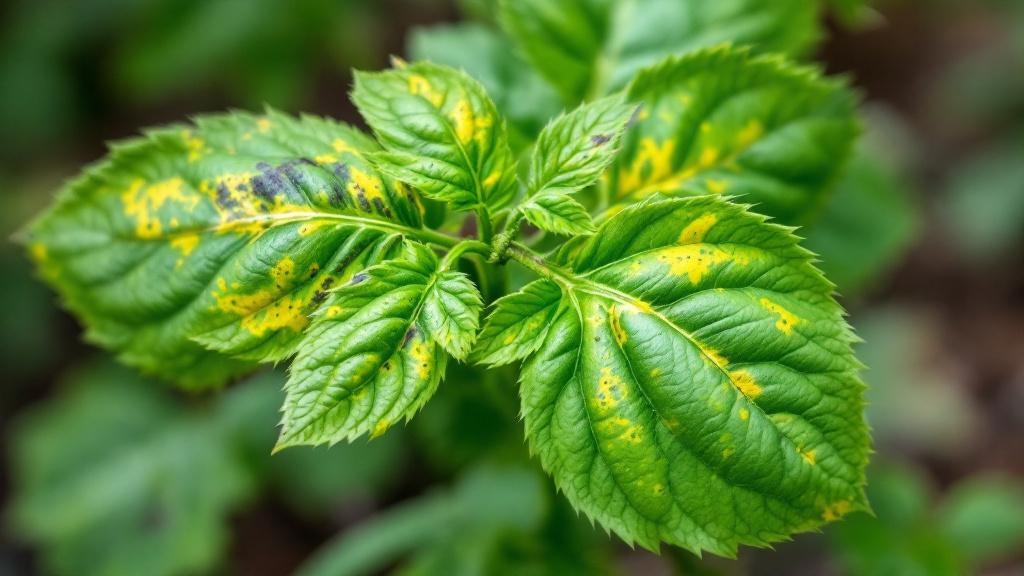
📖 Overview
Magnesium deficiency is a nutrient problem where your plants cannot absorb enough magnesium from the soil, even if it's present. Unlike some plant diseases that spread from leaf to leaf, this is purely a feeding issue—the plant is essentially starving for this essential mineral. It matters because magnesium is the heart of every chlorophyll molecule, so without it, photosynthesis slows and your plants weaken, producing fewer flowers and smaller fruit. Tomatoes, peppers, roses, and fruit trees like apples and pears are particularly prone to showing symptoms, especially once they've been growing for several weeks and have built up a heavy crop.
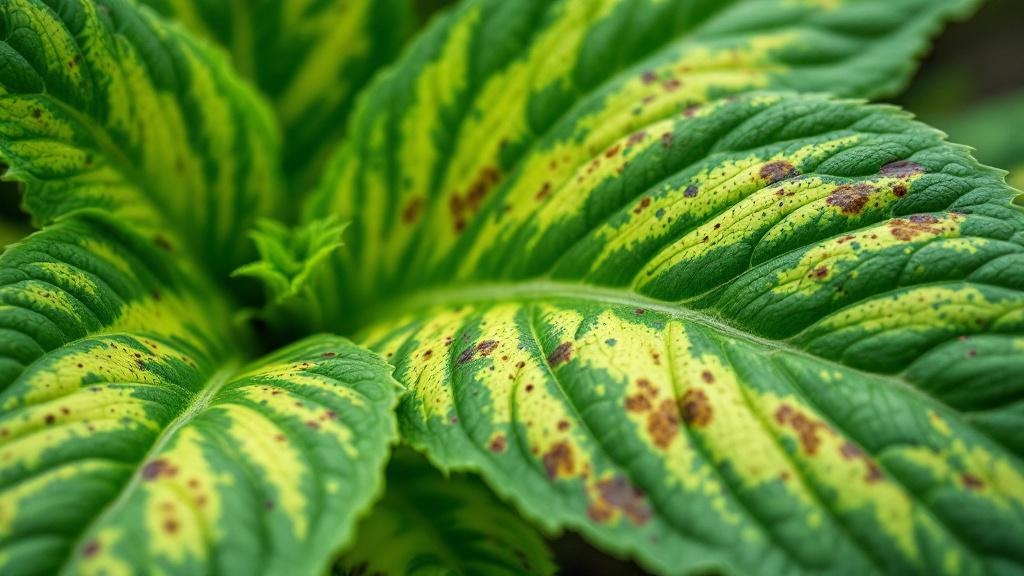
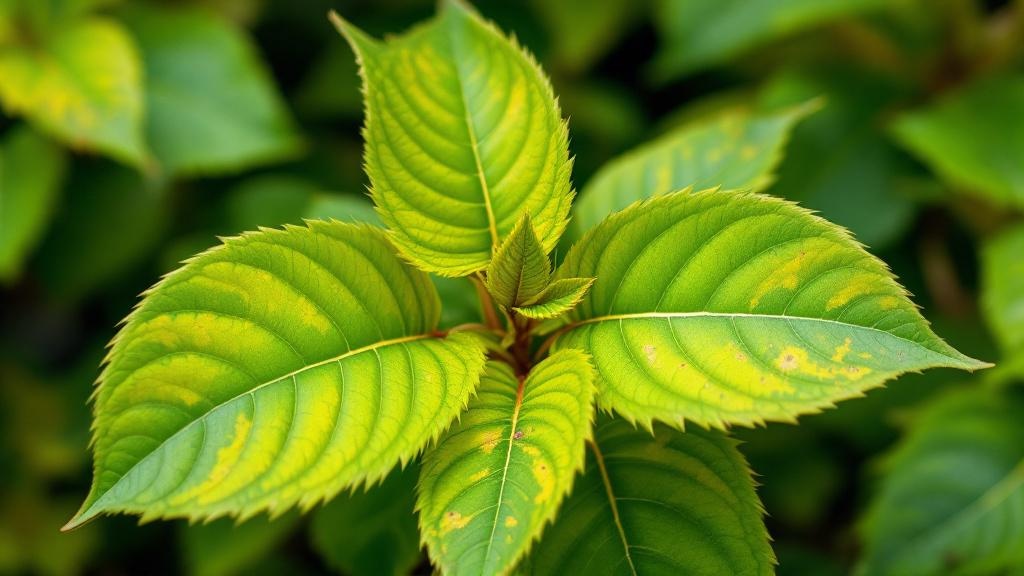
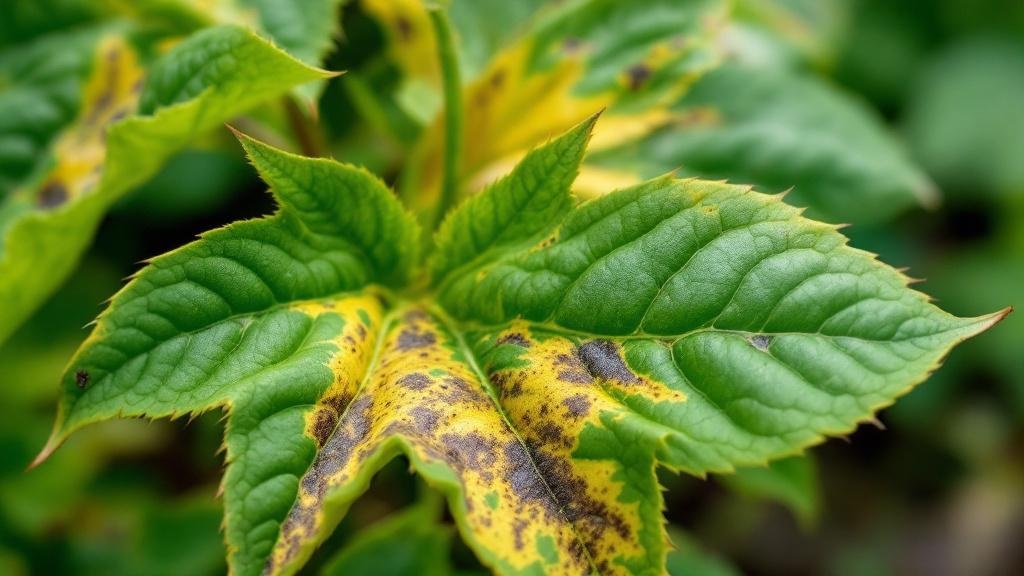
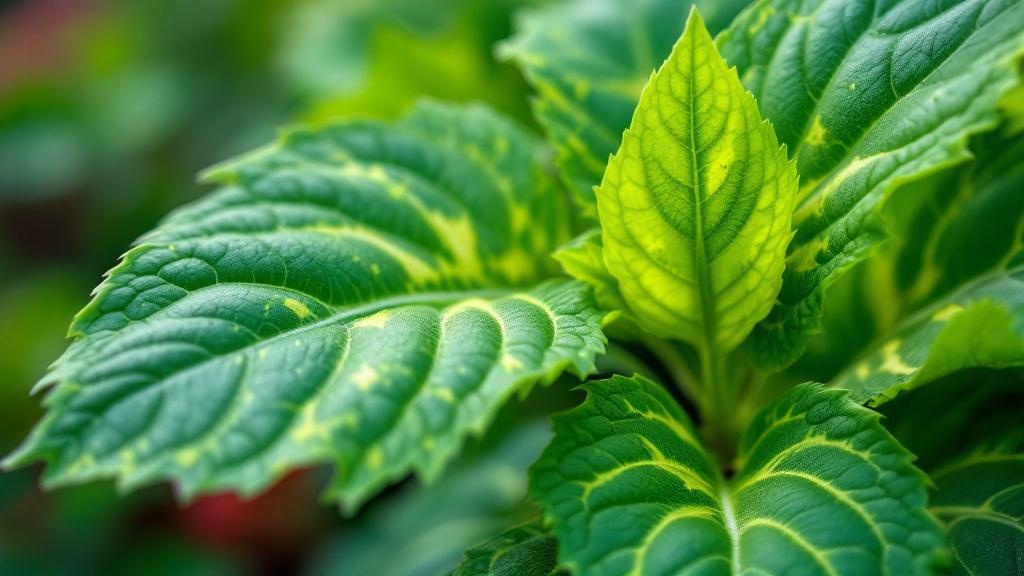
The problem typically reveals itself from mid-summer onwards (July through September in temperate regions), when warm weather and heavy fruiting demand peak. The first sign to watch for appears on the oldest, lowest leaves: the tissue between the veins turns yellow or—especially in peppers and ornamentals—purple or red, while the veins themselves stay distinctly green. On tomatoes, this creates the classic "fishbone" pattern that makes diagnosis straightforward. Don't confuse it with iron deficiency, which yellows the newest leaves at the shoot tips and leaves veins pale too. In severe cases, the yellowed areas may develop brown dead patches (necrosis), but by then the plant is already struggling.
The good news is that magnesium deficiency is reversible if caught reasonably early. It's not a disease and won't spread to neighbouring plants—it's purely a soil chemistry issue, often triggered by excessive potassium fertilizer (which blocks magnesium uptake) or naturally acidic, sandy soils that leach magnesium away. Understanding why your soil has become deficient is the key to both quick recovery and long-term prevention.
🔍 How to identify
Az ÖREGEBB leveleken: a levélerek között sárgulás vagy lila/vörös elszíneződés, az ERek zöldek maradnak. Súlyos esetben nekrózis. Paradicsomon klasszikus a "halszálka" mintázat.
🌿 Common host plants
💊 Treatment
Epsom-só (MgSO4·7H2O) — 20 g/L lombpermet vagy talajra szórva.
Magnézium-nitrát, dolomit-mész talajra.
🛡️ Prevention
Dolomit-mész talajba ősszel. Túltrágyázás (K) elkerülése (K antagonizál Mg-t).
Frequently asked questions
What's the fastest way to fix magnesium deficiency once I spot it?
Spray the affected leaves with Epsom salt (magnesium sulphate) solution at 20 grams per litre of water every 7-10 days for 2-3 weeks; the plant absorbs magnesium through the leaves much faster than from soil. Simultaneously, water the roots with the same solution to address the soil deficit and prevent regrowth of symptoms.
Will my tomatoes or peppers still be safe to eat if they had magnesium deficiency?
Yes, completely safe—magnesium deficiency is not a toxin or pathogen, just a nutrient imbalance. The fruit is nutritionally sound and poses no risk to you or your family, though yields may be slightly reduced if the deficiency was severe.
How do I prevent magnesium deficiency from coming back next year?
Apply dolomite limestone (which contains both magnesium and calcium) to your soil in autumn at the rate your soil test recommends, typically 1-2 kg per 10 square metres. Equally important: avoid over-feeding with high-potassium fertilizers (especially tomato-specific formulas), because excess potassium actively blocks magnesium uptake by roots.
Does magnesium deficiency happen in specific weather conditions?
It flares up during hot, dry spells (late July through August) when plants transpire heavily and uptake of soil nutrients intensifies, and on cool, wet springs when cold soil reduces nutrient availability. Sandy or acidic soils deficient in organic matter are most vulnerable.
Can I compost leaves showing magnesium deficiency symptoms?
Yes, you can compost them—the yellowing is not caused by disease or pest damage. However, add dolomite or a magnesium-rich amendment to your finished compost pile so the nutrient is recycled back into your soil rather than lost.
Not sure what's wrong? Take a photo!
Plantora's AI Plant Doctor identifies the issue from a single photo in seconds and gives you a tailored treatment guide.
Try AI diagnosis (free) →