Potassium deficiency
📖 Overview
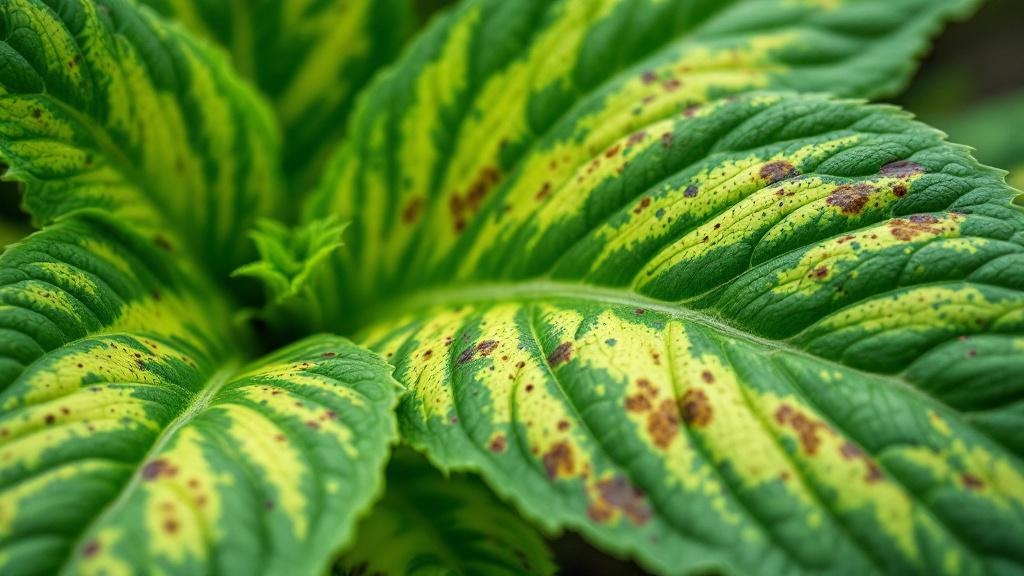
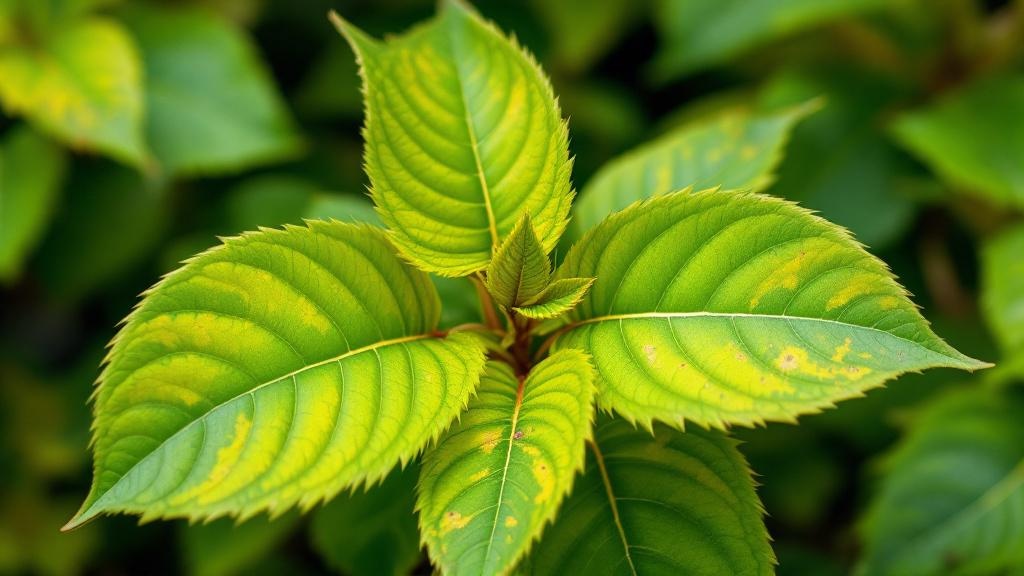
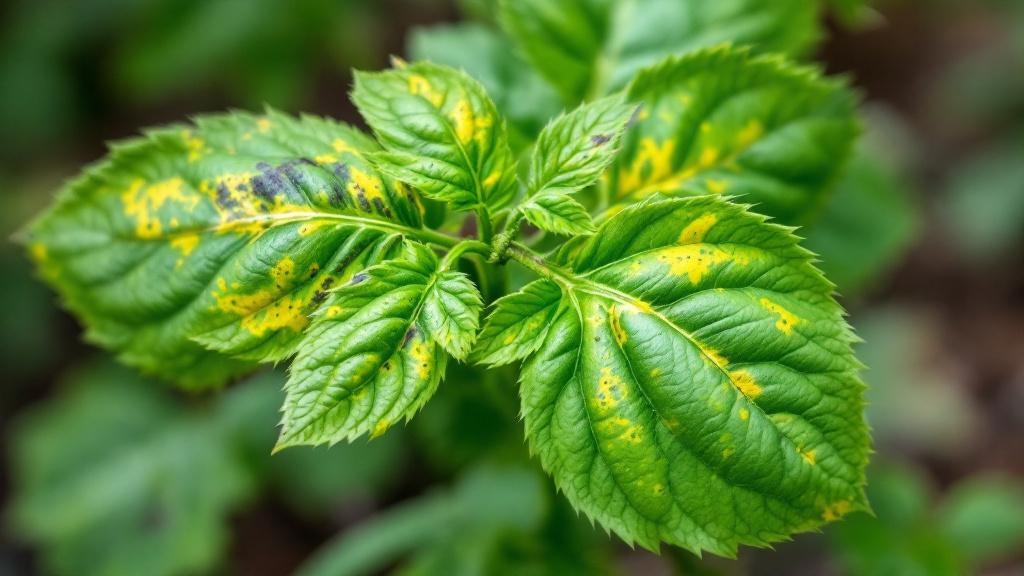
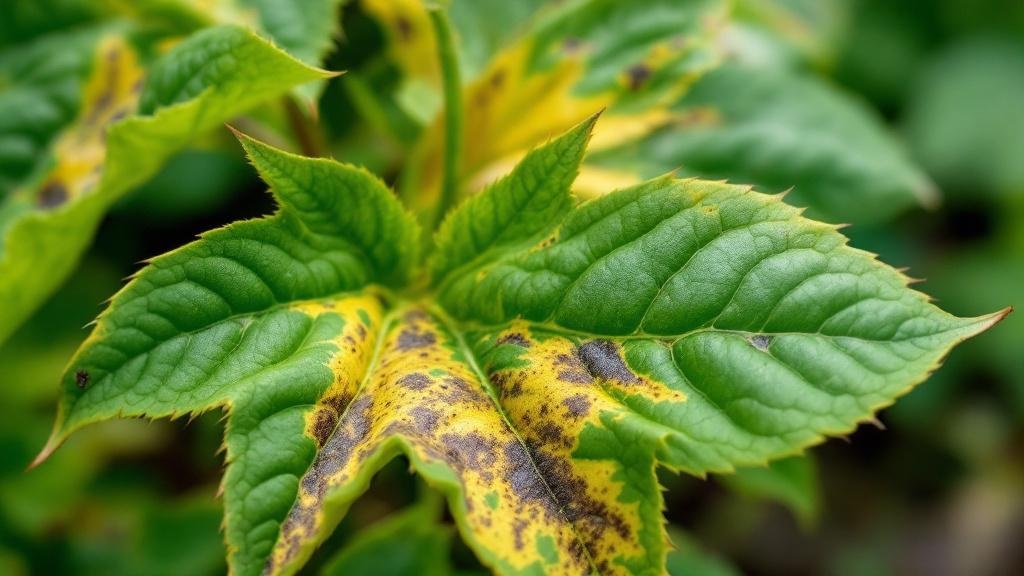
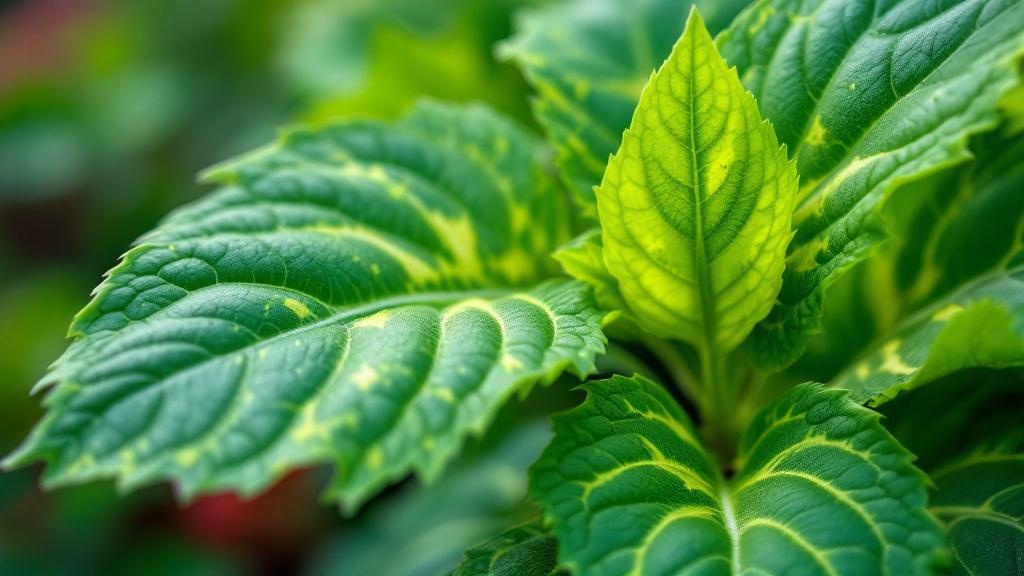
Potassium deficiency is a nutrient imbalance that occurs when your soil lacks sufficient potassium for plants to thrive. Unlike pest or disease problems, it's a silent stressor that develops gradually, making it easy to overlook until damage appears on leaves and fruit. This matters most to gardeners growing heavy feeders like tomatoes, peppers, potatoes and fruit trees, where potassium directly influences fruit flavour, size and ripening speed. The deficiency typically becomes visible in mid-to-late summer (July through September) as older leaves on the plant begin to show the telltale sign: browning or scorching at the leaf edges, which gardeners often call 'burnt margins', while the rest of the leaf may yellow. The affected leaves often look papery and curl slightly at the edges.
Potassium deficiency differs from magnesium deficiency (which causes veining patterns on younger leaves) and from simple drought stress (which affects all leaves uniformly). With potassium shortage, the damage starts on the oldest, bottom leaves and works upward, and the browning is specifically at the margins and tips rather than overall wilting. In fruiting crops, you'll also notice that fruit stays smaller than expected, takes longer to ripen, and tastes bland or lacking sweetness—a real disappointment come harvest time. The good news is that potassium deficiency is completely preventable and highly treatable once you recognize it, especially during the critical flowering and fruit-setting phase in spring and early summer when plants demand the most.
🔍 How to identify
Öregebb leveleken: a SZÉLEK barnulnak ("perzselt szegély" — leaf scorch), sárgulnak. Gyümölcs íztelen, kicsi, későn érik.
🌿 Common host plants
💊 Treatment
Hamu (faszemcse, NEM kőszénhamu!) — talajba lazítva. Kálium-szulfát (Patentkali).
Kálium-nitrát (KNO3), kálium-szulfát, vagy MgK-tartalmú kombi-trágyák.
🛡️ Prevention
Káliumigény szezonális, főleg virágzás-gyümölcskötés idején.
Frequently asked questions
How can I tell potassium deficiency from other leaf problems?
Potassium deficiency always starts on the oldest leaves at the base of the plant, with brown or scorched edges and tips while the centre of the leaf stays green; the browning looks like the leaf edges are burned. Magnesium deficiency, by contrast, shows yellowing between the veins on younger leaves but keeps the margins green, and drought stress wilts the whole plant uniformly without that characteristic edge-burn pattern.
When is the danger window for potassium deficiency in my garden?
The critical period is during flowering and fruit set in late spring and throughout summer (May through August in temperate climates), when plants pour energy into reproduction and demand potassium most heavily. Early deficiency symptoms may appear by late June or July if soil levels are low, so spring is the time to amend soil before you see problems.
What's the safest organic fix for a vegetable garden with children?
Wood ash (from untreated wood only, never coal ash) worked gently into the top few centimetres of soil is the simplest organic option and safe once incorporated. Potassium sulphate (Patentkali) is also organic-approved and faster-acting; dissolve it in water and apply every 10-14 days during the growing season for quicker results.
Can I prevent potassium deficiency before it starts?
Yes—choose a balanced fertiliser or compost rich in potassium before planting, and apply a potassium boost in late spring (May) as plants enter their flowering phase; this timing matches when plants need it most and prevents the deficiency from developing in the first place.
If my fruit is already small and tasteless, can I save this year's harvest by feeding now?
Unfortunately, once fruit has set and begun to mature, adding potassium will not improve size or flavour significantly in that batch. However, quick treatment now will prevent the problem from worsening on younger fruit still developing, and ensure better quality from late harvests and next season's crop.
Not sure what's wrong? Take a photo!
Plantora's AI Plant Doctor identifies the issue from a single photo in seconds and gives you a tailored treatment guide.
Try AI diagnosis (free) →