Blossom-end rot
📖 Overview
Blossom-end rot is a dark, sunken, papery spot that appears on the bottom (blossom end) of tomatoes, peppers, and squash fruits—not on the leaves or stems. It's caused not by a lack of calcium in your soil, but by your plant's inability to absorb the calcium that's already there, usually triggered by erratic watering. This matters because affected fruits are inedible and the problem can wipe out a significant portion of your harvest, especially in mid-summer when fruits are swelling fastest. The danger window typically runs from late June through August in temperate regions, with the first symptoms appearing 2-3 weeks after a period of dry stress followed by heavy watering or rain. You'll spot the telltale brown, leathery lesion on the fruit's bottom end while the rest of the fruit looks perfectly healthy—that's the key sign to watch for. Blossom-end rot is easily confused with fungal diseases or pest damage, but the sunken spot is always at the flower end of the fruit and there are no spots elsewhere on the plant, which rules out those other culprits. The good news is that consistent watering prevents nearly all cases, and mulching helps even out soil moisture so your plants stay hydrated without the feast-famine stress that triggers this problem.
🔍 How to identify
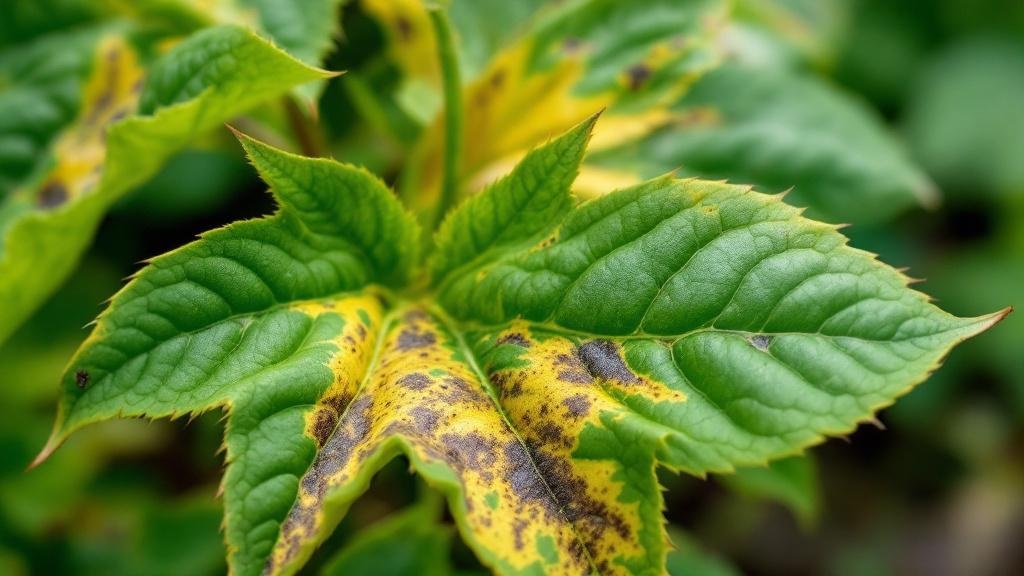
A paradicsom/paprika GYÜMÖLCSÉNEK alján (virágvég) barna, beesett, száraz folt. Csak gyümölcsön, nem a leveleken.
🌿 Common host plants
💊 Treatment
Egyenletes öntözés (a Ca-felvétel ezen múlik leginkább!). Mulcsozás. Tojáshéj őrleménye.
Kalcium-nitrát öntözőlébe vagy lombpermetnek.
🛡️ Prevention
EGYENLETES öntözés a legfontosabb. NEM az alacsony Ca a fő gond, hanem hogy a növény nem tudja felvenni a száraz-vizes ingadozásban.
Frequently asked questions
If I see blossom-end rot on one fruit, will it spread to my other plants?
No, blossom-end rot is not contagious—it's a physiological disorder caused by watering stress, not a pathogen. However, if your whole garden is on the same watering schedule, other plants in the same conditions will likely develop it too. Focus on fixing your irrigation routine to prevent new fruit from being affected.
Can I save a tomato or pepper plant once blossom-end rot starts?
Yes, absolutely—the plant itself is fine and will recover quickly. Remove the affected fruits and start consistent, even watering immediately. New fruit that develops after you stabilize moisture levels will be healthy and unblemished.
What's the best watering schedule to prevent this in summer?
Water deeply and regularly so the soil stays evenly moist but not waterlogged—aim for the same moisture level every 2-3 days rather than letting it dry out between heavy soakings. In July and August, you may need to water every 1-2 days depending on heat and rainfall. Mulch with 5-7 cm of straw or compost to buffer moisture swings.
Is the fruit with blossom-end rot safe to eat if I cut off the bad spot?
No—even if you remove the visible lesion, the rot extends deeper into the fruit tissue and the flavor is compromised. It's better to compost the whole fruit and focus on preventing the problem in future crops.
Does blossom-end rot overwinter in the soil so I need to rotate crops?
No, there's no pathogen to overwinter—the problem won't persist in your soil or on crop debris. You can grow tomatoes and peppers in the same spot next year, but pay close attention to consistent watering from the start of the season to avoid a repeat of the problem.
Not sure what's wrong? Take a photo!
Plantora's AI Plant Doctor identifies the issue from a single photo in seconds and gives you a tailored treatment guide.
Try AI diagnosis (free) →