Transplant shock
📖 Overview
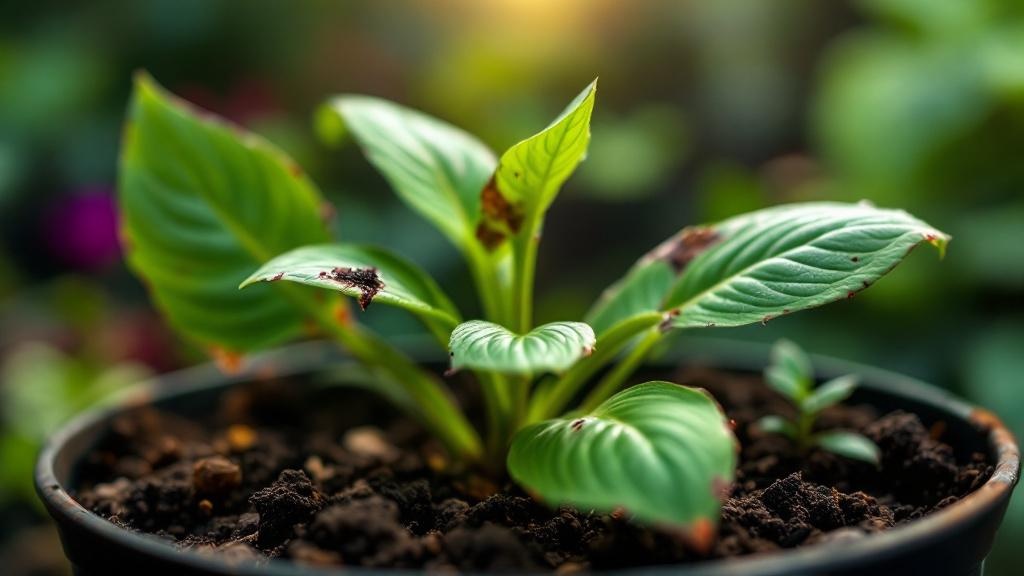
Transplant shock is the temporary wilting and stress that a plant experiences in the days immediately following repotting or planting out into the garden. It happens because the roots are physically disturbed during the move, losing contact with soil particles and taking several days to re-establish their water-absorbing network. This is not a disease or pest problem, but rather a natural (and usually temporary) response to the trauma of relocation.
While transplant shock is rarely fatal, it matters because it can set a young plant back by 1–2 weeks during its critical establishment phase, and severe stress can occasionally tip a weakened specimen toward decline. It affects virtually every plant you move—from houseplants being repotted to seedlings hardened off and planted into the garden, to shrubs and perennials transplanted in spring or autumn. The economic and emotional cost is in lost momentum during the growing season.
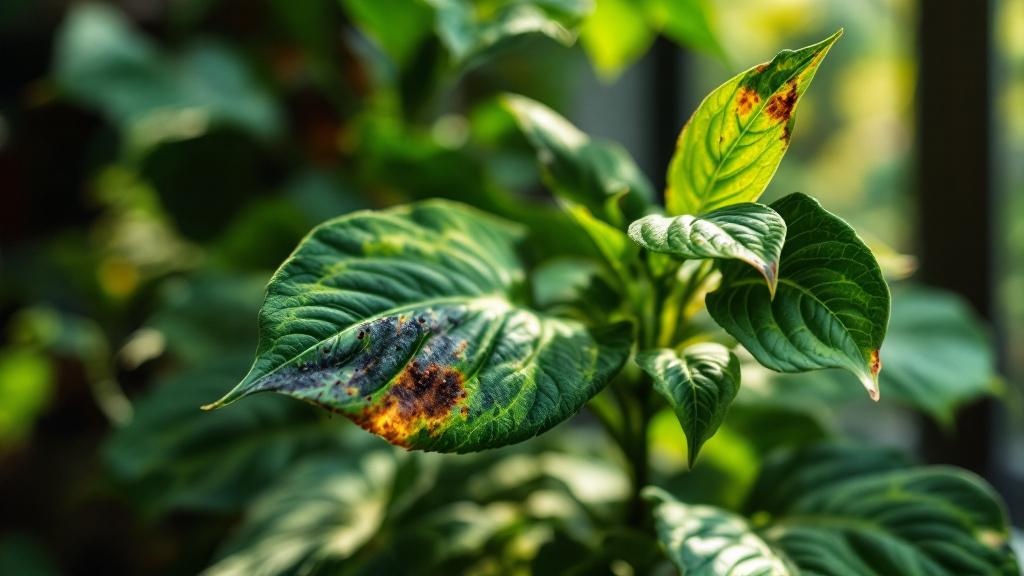
The danger window is narrow but intense: expect the first signs within 3–7 days of transplanting, typically when warm sunshine and dry air coincide with the plant's temporarily reduced water uptake. The earliest sign is usually wilting of the foliage despite moist soil, sometimes followed by yellowing or leaf drop. This differs from underwatering (where soil dries out completely) or root rot (where soil stays waterlogged and roots smell foul); in transplant shock, the soil is adequately moist, but the roots simply cannot yet drink from it efficiently.
The good news is that transplant shock is almost entirely preventable through thoughtful technique, and even when it occurs, recovery is swift and complete with minimal intervention. Understanding the window of vulnerability—and how to cushion it—is one of the most practical skills a gardener can master.
🔍 How to identify
Friss átültetés után 3-7 napon belül a növény hervad, lekonyul, levelei elsárgulnak vagy lepottyannak. A talaj nedves, a gyökerek "összerázódtak", még nem regenerálódtak.
🌿 Common host plants
💊 Treatment
Mérsékelt árnyékolás 5-7 napra (NE direkt nap). Mérsékelt öntözés (NE túl sok). Türelem — a növény 1-2 hét alatt regenerálódik. Szuperthrive (vitaminkészítmény) — opcionális.
Nincs igazán.
🛡️ Prevention
Felhős időben, kora reggel/késő délután ültetni át (NE déli napon). NE bolygasd túlságosan a gyökeret (megőrizni a gyökérgöngyöt). Az új cseréplyukba mély áztatás (botanikus tipp: a növényt fél órára vízbe áztatva ültetni át).
Frequently asked questions
How can I tell if my plant has transplant shock or if something else is wrong?
Transplant shock always appears within 3–7 days of repotting or planting, wilting happens despite moist soil, and recovery is complete within 1–2 weeks with minimal care. If wilting persists beyond two weeks, soil is bone-dry or waterlogged, or you see spots, holes, or pest damage, look for a different cause.
What's the single best thing I can do right now if my newly transplanted plant is wilting?
Move it out of direct sun into bright, indirect light (or dappled shade outdoors) for 5–7 days, then water it gently so the soil is moist but not soggy. This reduces water loss through the leaves while roots recover, and it costs nothing.
Can I prevent transplant shock, or is it always going to happen?
You can prevent most of it by transplanting on cloudy days or in early morning or late afternoon (never midday sun), keeping the root ball intact and soil around the roots as undisturbed as possible, and soaking the root ball in water for 30 minutes before planting into pre-watered soil. Even with these steps, some temporary wilting may occur, but it will be much milder and briefer.
Is it safe to use fertilizer or root-stimulant products on a shocked plant?
Fertilizer is unnecessary and can harm stressed roots; wait 2–3 weeks. A vitamin-based product like Superthrive, if you choose to use one, can do no harm and may provide psychological comfort, but the plant will recover just fine without it—time and shade are the real medicine.
How long until my transplanted plant bounces back?
Most plants show clear recovery within 7–10 days, and are fully established and growing normally by day 14–21, especially if you provide shade and consistent, moderate moisture during that window.
Not sure what's wrong? Take a photo!
Plantora's AI Plant Doctor identifies the issue from a single photo in seconds and gives you a tailored treatment guide.
Try AI diagnosis (free) →