Chlorine in tap water
📖 Overview
Chlorine in tap water is an environmental stress that affects sensitive houseplants, particularly tropical species like Calathea, Maranta, orchids, and spider plants. When you water with chlorinated tap water, the chlorine can accumulate in the soil and damage plant tissues, especially at the leaf tips and edges. This problem is most common in urban areas where municipal water supplies are heavily chlorinated, and it becomes noticeable within a few waterings of starting to use tap water directly from the tap.
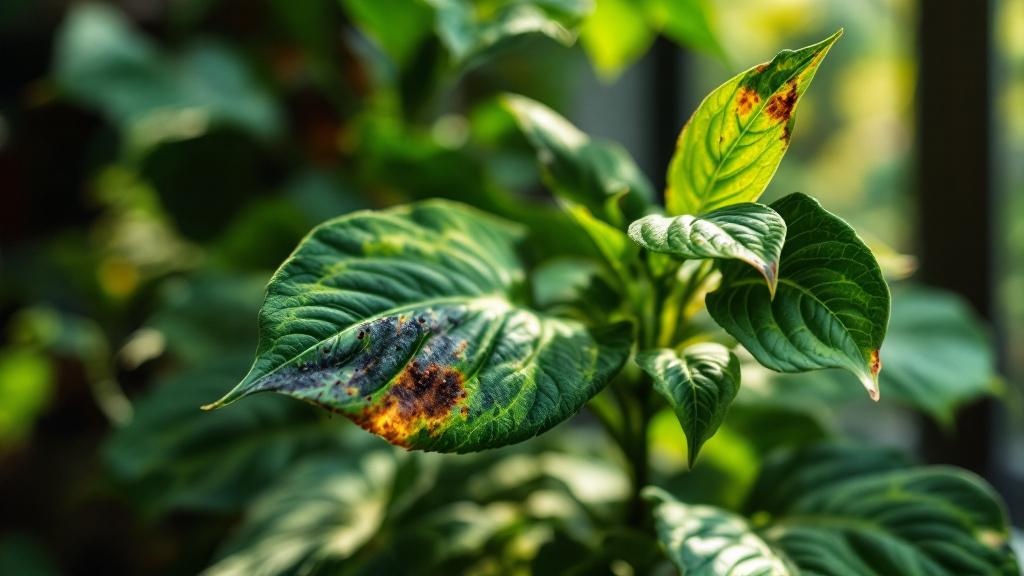
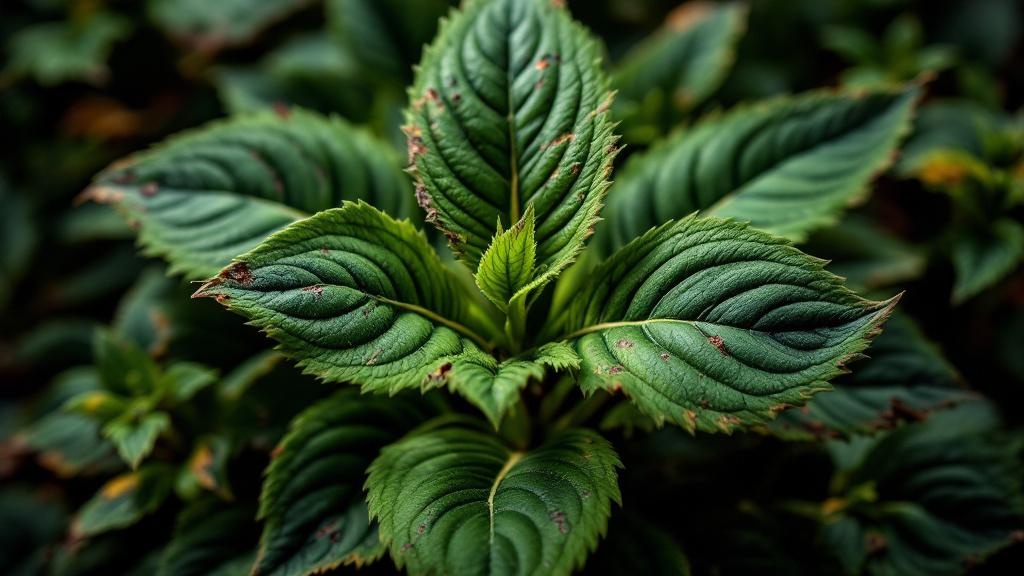
You'll first notice browning or drying at the leaf tips and edges—a symptom called tip burn—while the center of the leaf remains green. This is quite distinct from other leaf problems because the damage appears in a very specific pattern: the margins crisp and brown, but not wilting or yellowing across the whole leaf. In some cases, you may even see a white, crusty salt buildup on the soil surface, which is a telltale sign of chlorine and other mineral salts accumulating over time.
The good news is that chlorine damage is entirely preventable and easy to manage once you understand it. Your water company adds chlorine to keep the water safe for drinking, but houseplants—especially those from tropical rainforests—did not evolve to tolerate it. The problem matters most if you're growing chlorine-sensitive species indoors or in containers, where the soil can't benefit from natural flushing by rain. Fortunately, chlorine is highly volatile and disappears naturally in just 24 to 48 hours, giving you a simple, free solution.
🔍 How to identify
Levél-HEGYEK és SZÉLEK barnán száradnak (NEM a középső rész). Tipikus a városi csapvíz-használat után. Klóros nátrium-felépülés a talaj felszínén fehéres-kristályos.
🌿 Common host plants
💊 Treatment
Csapvizet 24-48 órára nyitott edénybe állítani (a klór elpárolog). Esővíz gyűjtése. Vagy szűrt víz (RO/desztillált).
Aktívszén-szűrő (csapra szerelhető).
🛡️ Prevention
Klór-érzékeny fajoknak NE használj közvetlen csapvizet. Évente 1× nagy átmosás (3× cseréptérfogatnyi vízzel a felgyűlt sókat kimosni).
Frequently asked questions
How can I remove chlorine from my tap water without buying filters?
Let tap water sit in an open container for 24 to 48 hours before watering; the chlorine will evaporate naturally into the air. This is the simplest and cheapest method and works well for houseplants watered once or twice a week. Alternatively, collect rainwater if you have gutters or space for a barrel, which is chlorine-free and often preferred by sensitive plants.
Which plants are most sensitive to chlorine in tap water?
Tropical foliage plants like Calathea, Maranta, Stromanthe, orchids, and spider plants are highly sensitive, though most houseplants tolerate it better than we think. If you're growing Calathea or Maranta and see brown leaf tips despite good humidity and watering, chlorine is often the culprit. Hard-water plants like succulents and cacti are far more tolerant.
Does chlorine damage get worse over time, or will my plant recover?
Chlorine damage doesn't spread to new growth once you switch to chlorine-free water; the brown tips won't heal, but new leaves will emerge healthy. Within 2 to 3 weeks of using dechlorinated water, you should see new growth looking normal. If you've been using tap water for months, do a thorough soil flush once with three times the pot volume of clean water to rinse out accumulated salts.
Can I use a simple water filter pitcher, or do I need a whole-house system?
A basic carbon filter pitcher or a tap-mounted activated charcoal filter will remove chlorine effectively for small numbers of houseplants. For serious plant collectors or if your water is very heavily chlorinated, an RO (reverse osmosis) filter or a dedicated plant-watering system works well, but they're more expensive and unnecessary for most home gardeners—the 24-hour settling method is genuinely effective and free.
Is the brown tip damage permanent, or will the leaf green up again?
Once a leaf tip browns from chlorine, that tissue is dead and will not regreen or recover. However, the damage is purely cosmetic and doesn't harm the overall plant. You can trim off the brown edges with clean scissors if they bother you, and new leaves emerging under better conditions will be healthy and unblemished.
Not sure what's wrong? Take a photo!
Plantora's AI Plant Doctor identifies the issue from a single photo in seconds and gives you a tailored treatment guide.
Try AI diagnosis (free) →