Heat stress
📖 Overview
Heat stress is what happens when temperatures consistently exceed 32°C and your plants simply can't keep up with water loss through their leaves, even when soil moisture is plentiful. The plant's cooling system—transpiration—becomes overwhelmed, and dehydration sets in from the inside out. This is one of the most common environmental challenges home gardeners face during European and North American summers, particularly affecting cool-season crops like lettuce and spinach, but also reducing fruit set in tomatoes and other heat-sensitive vegetables.
Why this matters depends on what you're growing. Lettuce and leafy greens bolt (flower prematurely) and turn bitter within days of sustained heat, making them inedible. Tomatoes, peppers, and beans drop their flowers when temperatures spike, which means little to no harvest despite perfectly healthy plants. The window of danger is typically July through mid-August in temperate zones, though it can start as early as late June during warm springs and extend into September in cool regions.
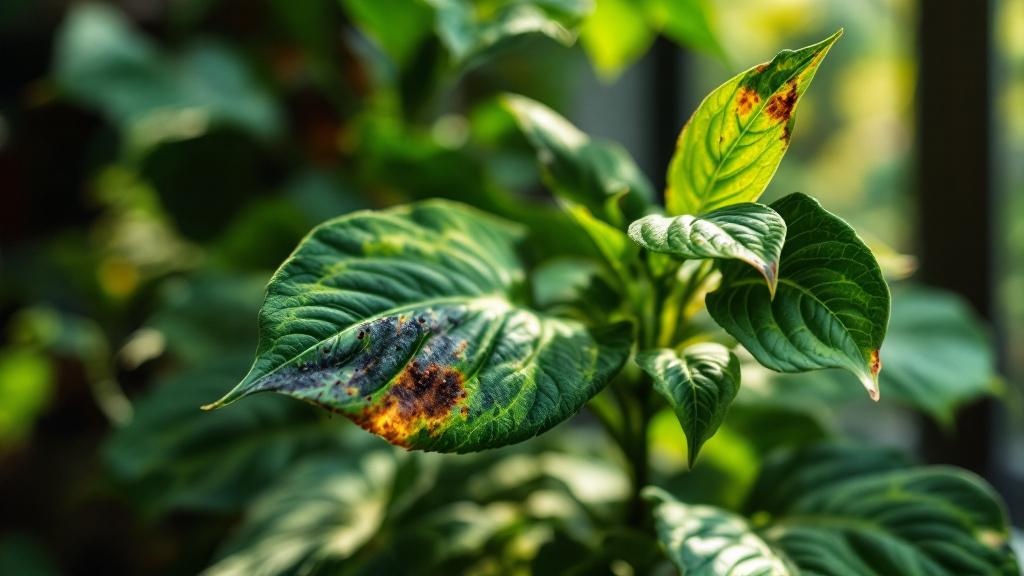
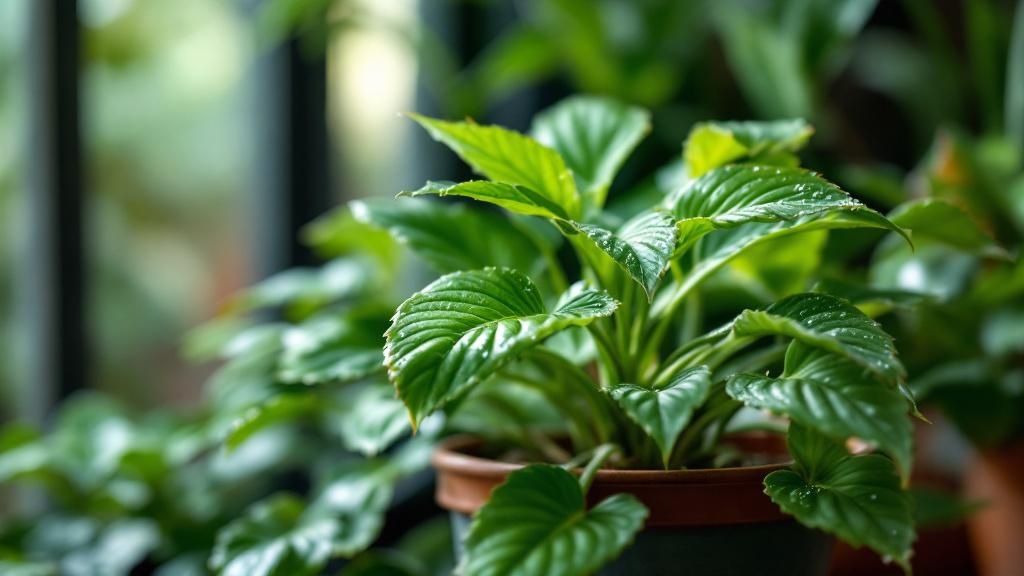
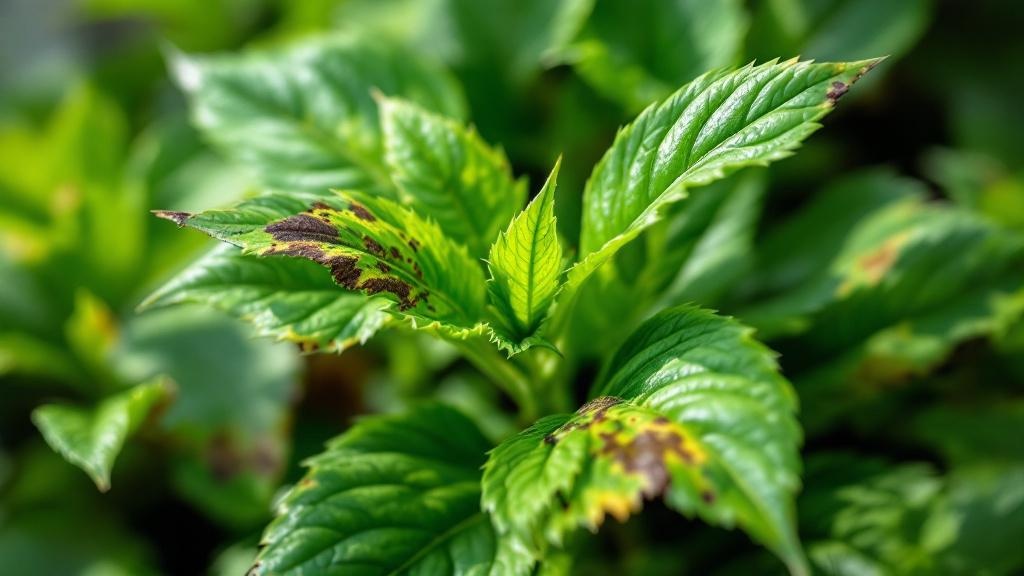
The first sign is often wilting leaves even though you've watered—they look droopy and dull, sometimes taking on a slightly bleached or grayish tone. This is different from underwatering, where the soil itself is dry; with heat stress, the soil stays moist but the plant simply can't absorb water fast enough to match evaporation. You might also notice flower drop on tomatoes or beans, or sudden bolting in lettuce during a heat wave. The key tell is that the problem appears during the hottest part of the day and sometimes partially recovers at night, whereas true drought stress doesn't improve much even after evening.
🔍 How to identify
32°C+ tartós hőmérsékletnél a levelek HERVAD-nak még jó talaj-nedvességnél is — a növény a víz-vesztést a párolgással nem tudja kompenzálni. Saláta "felfut" (virágba megy), levelek keserűek. Paradicsom: hőség idején a virágok lehullanak, kevés termés.
🌿 Common host plants
💊 Treatment
Árnyékolás (50% árnyékolóhálóval) déli órákban. Mulcsozás vastagon (5-7 cm szalma). Korán reggeli mély áztatás (NEM déli locsolás — a vízcseppek napsugár-fókuszt csinálnak). Páratartalom-növelés (vizes tálcák).
Nincs.
🛡️ Prevention
Hőtűrő fajták (paradicsom: Heatwave II, Solar Fire). Tavaszi-őszi termesztés a hűs időszakban a hőérzékenyebbeknek (saláta).
Frequently asked questions
How fast does heat stress damage happen and when should I act?
Visible wilting can appear within 6-12 hours of sustained 32°C+ temperatures, and once lettuce bolts or tomato flowers drop, that damage is permanent. Start protective measures as soon as forecasts show three or more days above 30°C—don't wait for symptoms to appear.
Can I save a heat-stressed plant or is it too late?
If the plant is wilted but still turgid (leaves aren't papery), it usually recovers once you provide shade and deep watering in early morning. However, bolted lettuce, dropped tomato flowers, and bitter leafy greens cannot be reversed—prevention is your only option with these crops.
What's the safest way to protect plants when kids and pets use the garden?
A 50% shade cloth suspended on stakes is completely safe and very effective; it blocks midday sun without toxic chemicals. Thick mulch (5-7 cm of straw) is also pet and child-friendly. Water early morning before anyone plays outside, and avoid sprinkler misting during the day, as water droplets can magnify sunlight and scorch leaves.
Which conditions make heat stress most likely to happen?
High temperatures combined with low humidity and strong direct sun create the perfect storm—a 32°C day with 30% humidity is far more damaging than the same temperature with 70% humidity. Windy conditions worsen it because wind increases transpiration. Recently planted or potted plants in shallow soil are most vulnerable.
Are heat-tolerant varieties really worth growing if I only garden in summer?
Yes, especially for tomatoes—varieties like Heatwave II and Solar Fire set fruit reliably above 30°C, while standard varieties like Moneymaker often drop all their flowers. For lettuce and spinach, your better strategy is to grow cool-season crops in spring (April-May) and autumn (August-September) when temperatures naturally stay below 25°C, rather than fighting heat in July.
Not sure what's wrong? Take a photo!
Plantora's AI Plant Doctor identifies the issue from a single photo in seconds and gives you a tailored treatment guide.
Try AI diagnosis (free) →