Habanero Pepper
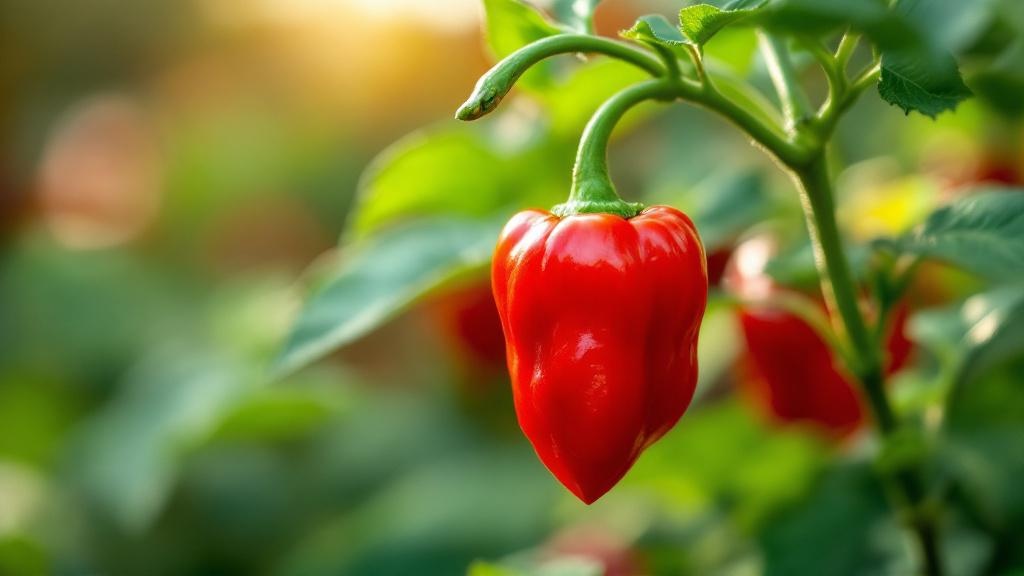
Habanero peppers are among the hottest chilis you can grow at home, packing 100,000 to 350,000 Scoville units of fiery heat alongside a distinctive fruity aroma. The most common question gardeners ask is whether habaneros can actually thrive in cooler temperate climates. The answer is yes, but they need a head start indoors and careful attention to warmth. With the right approach, you can harvest dozens of these orange or red lantern-shaped peppers from a single plant.
Watering Your Habanero Pepper Plants
Water habanero peppers deeply every 3-4 days during the growing season, allowing the top 3cm of soil to dry between waterings. Increase frequency during hot spells and when plants are loaded with fruit. Inconsistent watering causes blossom end rot and flower drop, so aim for steady moisture without waterlogging. Reduce watering significantly if overwintering plants indoors.
Light Requirements for Maximum Heat
Habaneros need full sun with at least 6-8 hours of direct light daily to produce their signature heat. In temperate climates, place them in the sunniest spot available, ideally south-facing. When starting seeds indoors in February or March, use grow lights positioned 5-10cm above seedlings for 14-16 hours daily. Insufficient light results in leggy plants and poor fruit development.
Soil and Repotting for Healthy Growth
Plant habaneros in rich, well-draining soil with a pH of 6.0-6.8. Mix compost and perlite into standard potting soil for container growing. Transplant seedlings to 20-30 litre pots once they have 4-6 true leaves, typically in late May after the last frost. Avoid repotting once flowering begins, as root disturbance can cause flower drop.
Temperature and Humidity Needs
Habaneros thrive between 21-32°C and stop growing below 15°C. In temperate zones, start seeds indoors 8-10 weeks before the last frost, typically mid-February to early March. Harden off seedlings in late May before moving them outside permanently. Bring container plants indoors before September night temperatures drop below 10°C if you want to overwinter them.
Fertilizing for Maximum Fruit Production
Feed habaneros every 2 weeks with a balanced fertilizer during vegetative growth, switching to a high-potassium tomato feed once flowering begins in June. Avoid high-nitrogen fertilizers after flowering starts, as this produces leafy growth at the expense of fruit. Stop fertilizing in late August to encourage ripening before the season ends.
Common Problems and Solutions
Aphids cluster on new growth in late spring and early summer; treat with insecticidal soap or blast them off with water. Blossom end rot appears as dark, sunken spots on fruit bottoms and indicates calcium deficiency from inconsistent watering. Spider mites thrive in hot, dry conditions indoors during overwintering; increase humidity and wipe leaves with a damp cloth to control them.
Frequently asked questions
How often should I water habanero peppers?
Water habanero peppers every 3-4 days during active growth, allowing the top few centimeters of soil to dry between waterings. Increase to every 1-2 days during heat waves or when plants are heavily fruiting. Consistent moisture prevents blossom end rot and flower drop.
Why are my habanero pepper leaves turning yellow?
Yellow leaves usually indicate overwatering, nitrogen deficiency, or natural aging of lower leaves. Check that soil drains well and is not staying soggy. If yellowing affects newer leaves, apply a balanced fertilizer to correct nutrient deficiency.
When do habanero peppers ripen?
Habaneros ripen 90-120 days after transplanting, typically from late August through October in temperate climates. Fruits turn from green to orange, red, or chocolate depending on variety. Leaving peppers on the plant longer intensifies both heat and flavor.
Can habanero peppers survive winter indoors?
Yes, habaneros can overwinter indoors if brought in before temperatures drop below 10°C in September. Cut back plants by one-third, place in a sunny window, and water sparingly every 2-3 weeks. Plants may drop leaves but will regrow in spring for an earlier harvest.
Are habanero peppers toxic to cats and dogs?
Yes, habanero peppers can cause significant discomfort in pets due to capsaicin. Ingestion leads to drooling, vomiting, diarrhea, and stomach pain. Keep plants and especially ripe fruits out of reach of curious pets.