Black rot of grape
📖 Overview
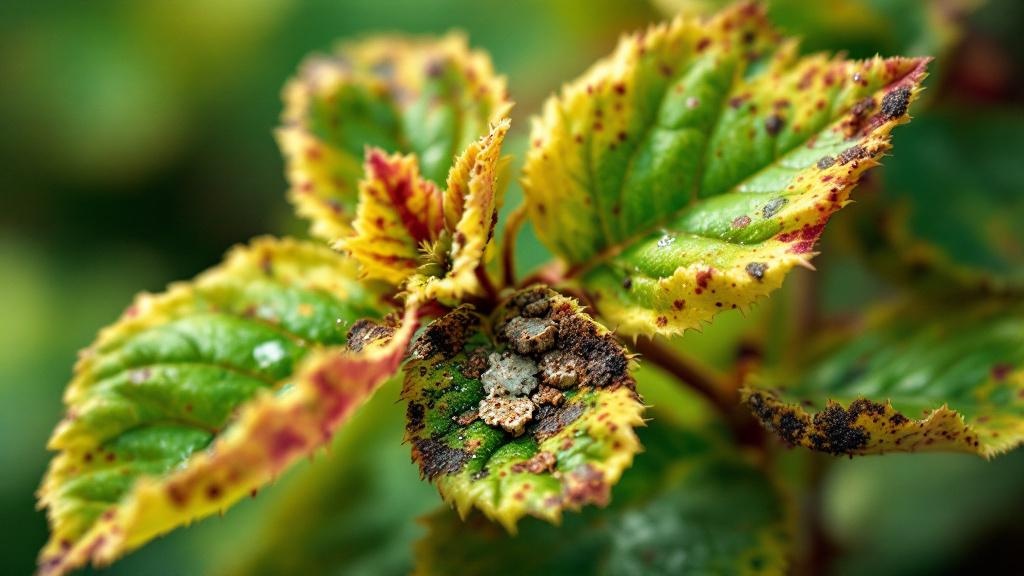
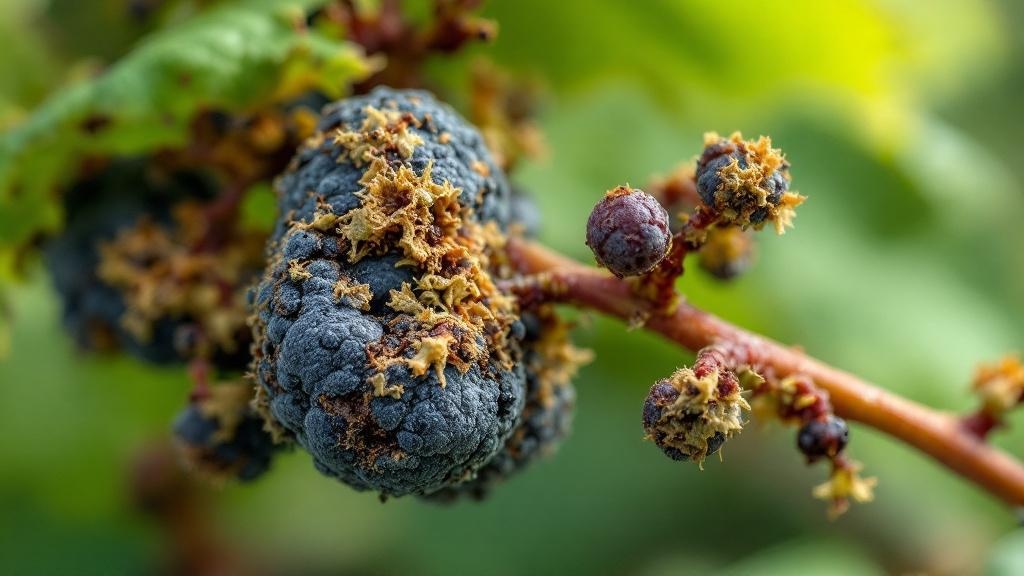
Black rot of grape is a fungal disease caused by Guignardia bidwellii that destroys both foliage and fruit, often wiping out 80 to 100 percent of a cluster in severe cases. You'll recognize it first on leaves as small, round, light-brown spots with dark borders and tiny black specks in the center, then watch helplessly as grape berries turn completely black, shrivel, and mummify on the vine. This disease thrives in warm, wet springs and early summers across temperate Europe and North America, making it one of the most destructive threats to both wine grapes and ornamental vines like Virginia creeper. The window of greatest danger runs from late April through August, with the critical period falling in June and July when new shoots are tender and berries are forming.
What makes black rot so treacherous is speed and timing. Once you see those first leaf spots in May or June, the fungus is already established, and spores spread rapidly via rain splash and overhead watering. Unlike powdery mildew or downy mildew, which may spare some of your crop, black rot can devastate an entire season's fruit within weeks if left unchecked. The mummified berries don't drop; they cling to the vine and serve as overwintering reservoirs, guaranteeing trouble next year unless you remove and burn every single one.
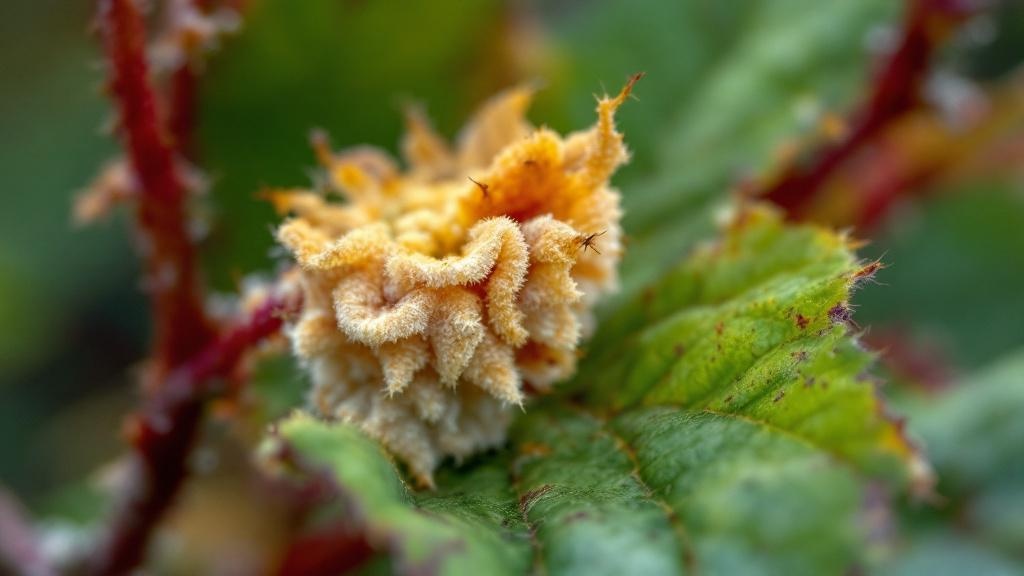
The first sign to scout for is those telltale tan leaf spots with dark halos appearing in late May, usually on lower leaves first. At that moment, infection is already weeks old. Once you spot them, inspect your grape clusters closely: black rot berries start as brown patches and quickly blacken and shrivel, becoming hard and paper-like. This distinguishes it immediately from powdery mildew (which shows gray coating on leaves and berries) and from simple sunscald or bird damage (which don't produce the characteristic dark-bordered leaf spots). The key is catching it early with preventive copper or sulfur sprays before the critical June-July window opens.
🔍 How to identify
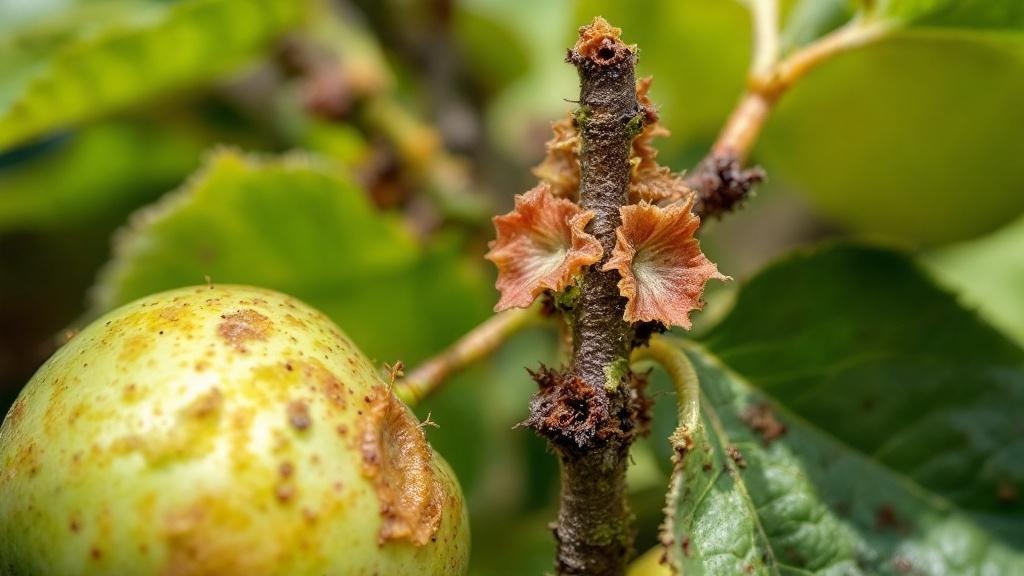
A leveleken világosbarna, kerek, 2-10 mm foltok, sötét szegéllyel — a folt közepén apró fekete pontok (piknídiumok). A bogyókon barna foltok, majd a bogyó teljesen FEKETÉRE, MUMIFIKÁLÓDIK és a fürtön marad. Időnként a fürt 80-100%-a megsemmisül.
🌿 Common host plants
💊 Treatment
Réz-alapú vagy kén-alapú megelőző permetezés. Mumifikált bogyók kötelező leszedése + égetése.
Mancozeb, miklobutanil virágzástól 2-3 hétig kéthetente.
🛡️ Prevention
Szellős lombozat (zöld munkák). Lehullott levél és bogyó begyűjtése. Rezisztens fajták (Solaris, Bianca).
Frequently asked questions
When exactly should I start spraying to prevent black rot?
Begin copper or sulfur-based preventive sprays at bud break in April, then continue every 10 to 14 days through July, stepping up to every 7 to 10 days if rain is frequent. The window from late May through mid-July is non-negotiable; missing sprays during this period almost guarantees infection.
If I see black rot berries already forming, can I save the vine or must I destroy it?
The vine itself is not lost, but you must immediately remove and burn every mummified berry and all fallen infected leaves to prevent next year's outbreak. Prune out severely infected clusters entirely, sterilize your pruners between cuts, and switch to weekly preventive sprays for the remainder of the season to protect healthy fruit.
Does black rot survive the winter in my soil or in fallen leaves?
Yes, the fungus overwinters primarily in mummified berries that remain on the vine and in fallen infected leaves and shoots on the ground. This is why gathering and burning all debris in autumn and winter is absolutely critical; leaving even a handful of mummified berries guarantees reinfestation the following year.
What's the safest organic option if I have children and pets around my vineyard?
Copper-based fungicides are the gentlest organic choice and can be used from bud break onwards with proper safety precautions (wear gloves and a mask during application). Sulfur sprays are equally safe but work best before temperatures exceed 25°C, so avoid them in peak July heat; combine both with meticulous removal of mummified fruit and fallen leaves for the strongest defense without synthetic chemicals.
Are disease-resistant varieties like Solaris or Bianca really worth planting instead of traditional Vitis vinifera?
If black rot has been your recurring nightmare, absolutely yes; resistant varieties like Solaris and Bianca are far more forgiving and require minimal fungicide input. However, they won't eliminate the need for spring cleanup and good canopy ventilation, and they still benefit from preventive sprays in very wet years.
Not sure what's wrong? Take a photo!
Plantora's AI Plant Doctor identifies the issue from a single photo in seconds and gives you a tailored treatment guide.
Try AI diagnosis (free) →