Plum pox / Sharka
📖 Overview
Plum pox, also called sharka, is a serious viral disease caused by Plum pox virus (PPV) that affects stone fruit trees, particularly plums, apricots, and peaches. The virus is spread exclusively by aphids in spring and early summer, and once a tree is infected, there is no cure — the tree must be removed and destroyed. This disease matters enormously to home gardeners and commercial growers across temperate Europe because it can devastate entire orchards within a few seasons, rendering fruit unmarketable and eventually killing affected trees.
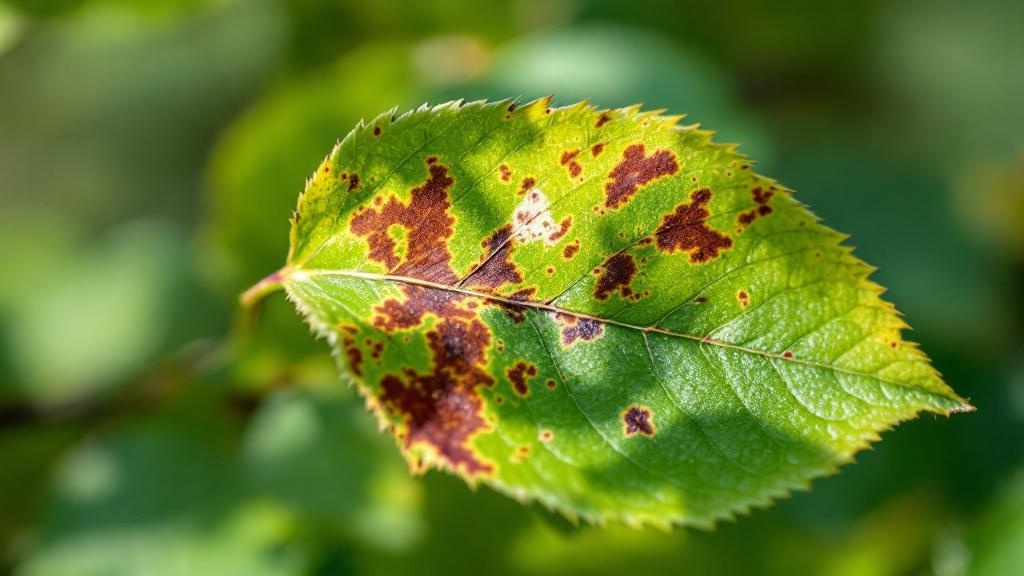
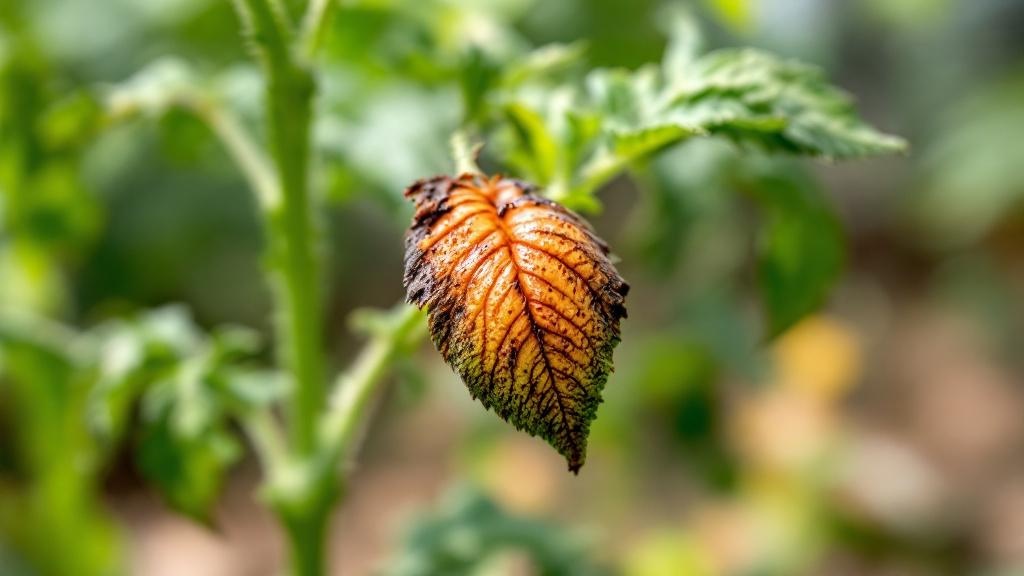
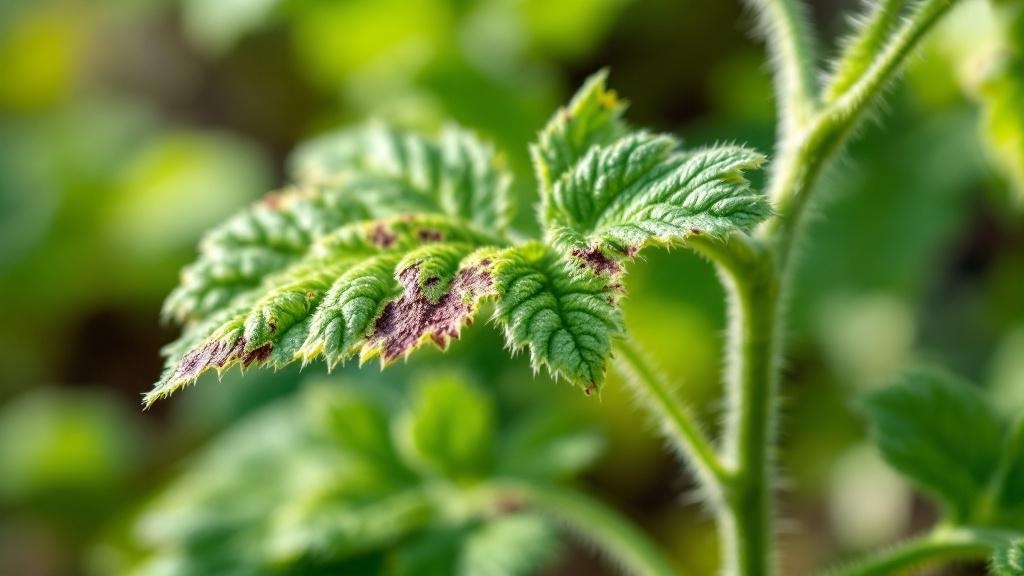
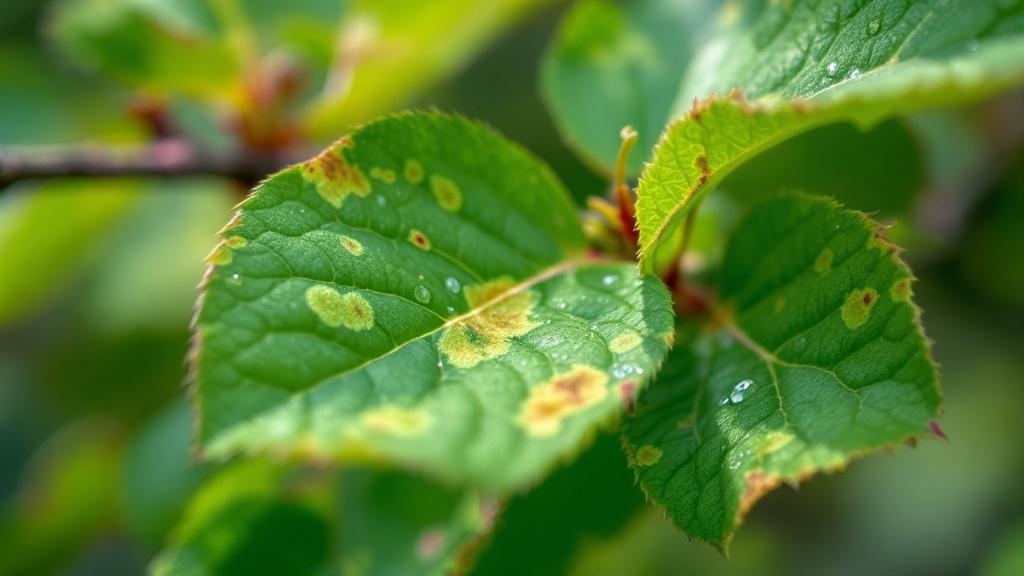
Sharka strikes hardest from April through July, when aphids are most active and trees are flushing new growth. The first telltale sign appears on young spring leaves as pale yellow rings, arcs, or blotches that you'll notice most clearly in May and June. As the season progresses, infected fruit develops dark, sunken rings and becomes misshapen; on plums, the flesh turns rubbery and tasteless, and fruit often drops prematurely. Because PPV is a regulated quarantine pathogen in the EU, you are legally required to report any suspected case to your national plant protection authority.
Sharka can look confusingly similar to mechanical leaf damage or nutritional deficiency in its early stages, but the diagnostic difference is that PPV rings persist and spread systematically through new growth, whereas physical damage remains static. Fruit symptoms — those characteristic dark, depressed rings combined with deformation — are far more specific and reliable than leaf signs. If you see both leaf and fruit symptoms together on the same tree in late spring or summer, sharka is almost certainly present.
🔍 How to identify
A leveleken világos sárga gyűrűk, ívek, foltok (különösen tavasszal). Gyümölcsön sötét bemélyedt gyűrűk, deformált alak. Szilván — ízetlen, gumiszerű hús. Korai gyümölcshullás.
🌿 Common host plants
💊 Treatment
NINCS gyógyítás. A fertőzött fát ki kell vágni + ÉGETNI (kötelező bejelentés!).
NINCS gyógyítás. Vektorvédelem: levéltetű ellen 2-3-szori permetezés (acetamiprid, deltametrin) korai szezonban.
🛡️ Prevention
CSAK tanúsított, vírusmentes szaporítóanyag használata. Rezisztens fajták (Jojo szilva). Levéltetű-vektor szigorú irtása. Bejelentési kötelezettség Magyarországon!
💡 Notes
EU-szabályozott karantén-vírus, NÉBIH-bejelentési kötelezettség. Magyarország a globális járvány egyik kiindulópontja volt — szilva-, sárgabarack- és őszibarack-termesztésünk fő hosszú-távú fenyegetése.
Frequently asked questions
How fast does plum pox spread through my orchard, and when should I be most vigilant?
Sharka spreads via aphids during spring and early summer (April–July), with peak transmission in May–June when both new foliage and aphid populations are highest. A single infected tree can infect multiple neighbours within one growing season if aphids are abundant; trees can show symptoms within weeks of infection, though some may take until the following year to display obvious signs. Scout weekly from bud break through July and remove any symptomatic trees immediately.
If I find an infected plum or apricot tree, must I cut it down, or can I try to treat it?
There is no cure for plum pox once a tree is infected — removal and burning (or authorized destruction) is the only option and is legally mandatory in most EU countries including Hungary. Do not attempt organic or chemical remedies on the infected tree itself; your only control lever is preventing the virus from spreading to healthy trees by eliminating the infected one and controlling aphids on nearby trees for the rest of that season.
What's the safest way to protect my healthy trees if I have kids and pets around?
The best organic strategy is vigilant aphid management using reflective mulches (silver plastic), strong-jet water sprays in early morning (April–June), and removing ant colonies that farm aphids. If chemical intervention is needed, early-season applications of contact insecticides like deltamethrin (applied 2–3 times at 7–10 day intervals in April–May, before fruit develops) are far safer than systemic sprays; always apply in evening when children and pets are indoors, and follow label timing to avoid harvest contamination.
Does plum pox virus survive in the soil or on fallen leaves, and can I replant in the same spot?
PPV does not persist in soil or leaf litter — it survives only in living plant tissue and aphids. However, you should wait at least one full season (ideally two) before replanting stone fruit in the same location, and when you do, use only certified virus-free nursery stock and be extremely vigilant about aphid control for the first two years, since the replanted tree is at highest risk of re-infection.
Are there plum and apricot varieties that resist sharka, and are they worth planting?
Yes — resistant plum varieties such as 'Jojo' have been bred to withstand PPV and are worth considering for new plantings, especially in regions with a history of the disease. However, resistance is not absolute immunity; even resistant trees can become infected under very high viral pressure, so resistant varieties should be combined with strict aphid control and the use of certified, virus-tested planting material rather than relied upon alone.
Not sure what's wrong? Take a photo!
Plantora's AI Plant Doctor identifies the issue from a single photo in seconds and gives you a tailored treatment guide.
Try AI diagnosis (free) →