Mosaic virus (TMV/CMV)

📖 Overview
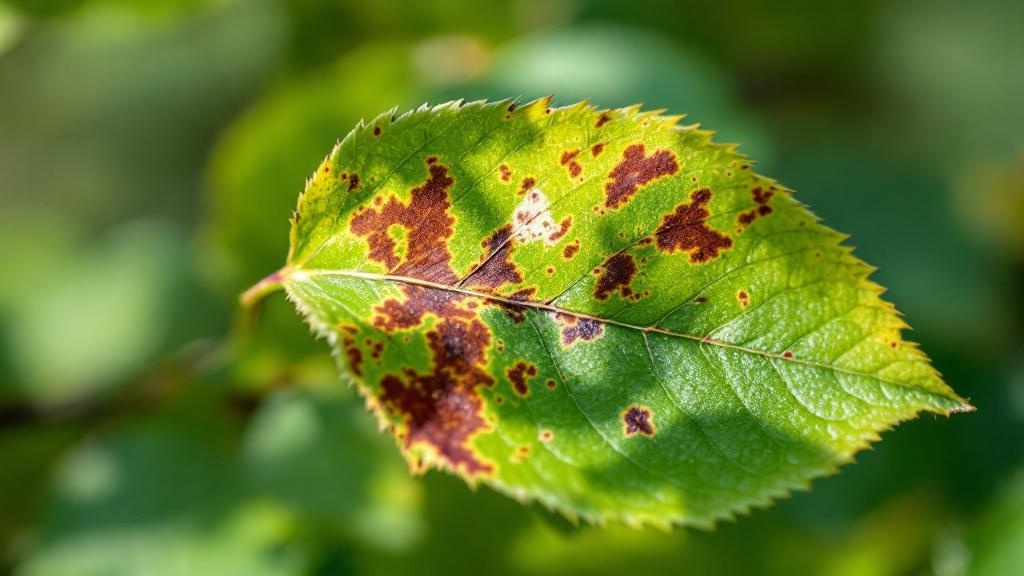
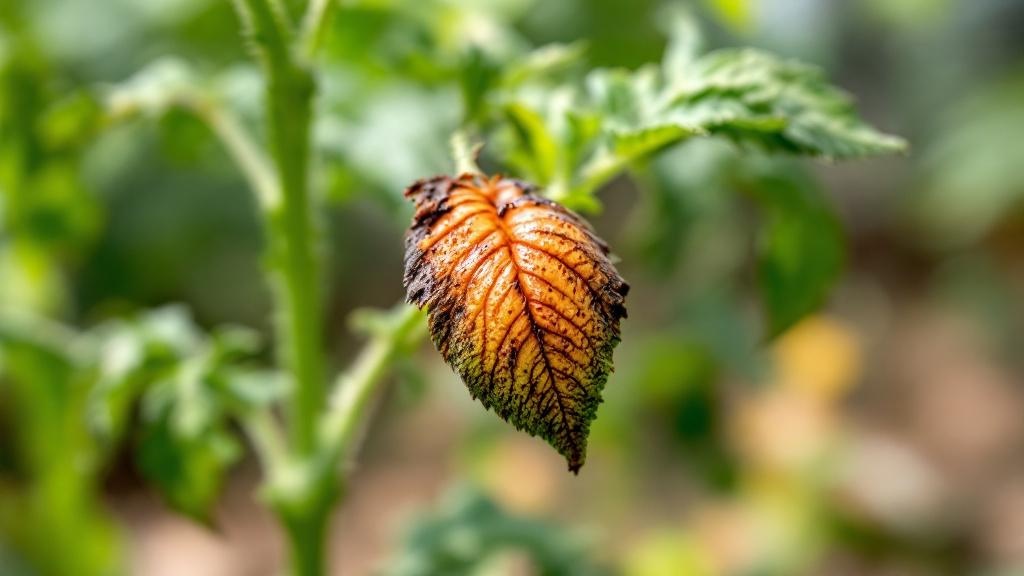
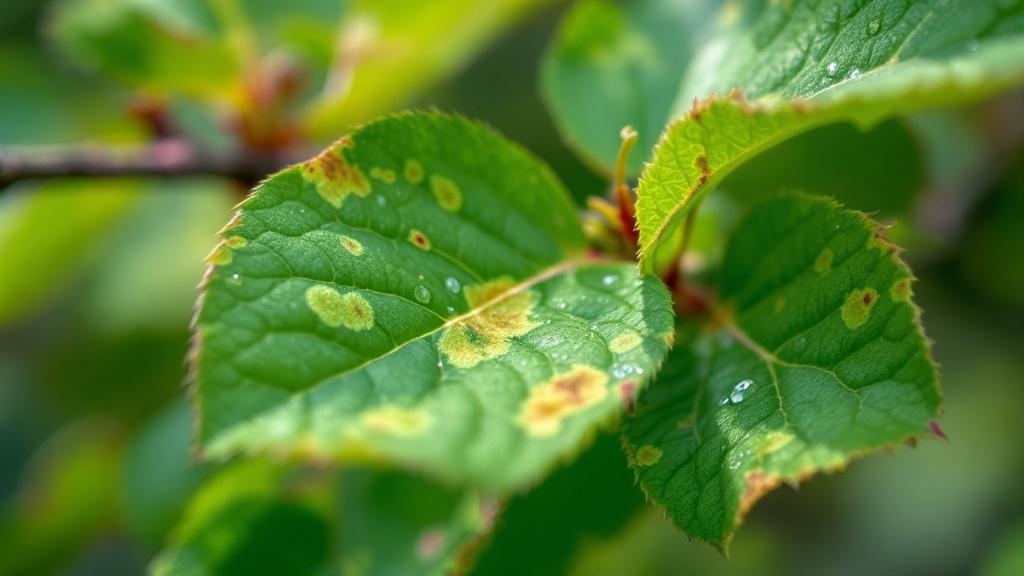
Mosaic viruses are a group of plant pathogens that infect a wide range of garden crops, most notably tomatoes, peppers, cucumbers, and beans. They cause distinctive light and dark green mottled patterns on leaves, often accompanied by leaf distortion, puckering, and stunted fruit that may be small, misshapen, or spotted. Unlike bacterial diseases, mosaic viruses cannot be cured once a plant is infected, which is why prevention and early detection are your strongest tools. These viruses matter because they can devastate your harvest, reducing both yield and quality, and a single infected plant can serve as a source spreading the disease to healthy neighbours through insect vectors like aphids and whiteflies.
The critical window for mosaic virus problems in temperate climates runs from late spring through early autumn, with symptoms often becoming most visible during cooler periods (May–June and September–October). Interestingly, during hot summer spells the virus may lie dormant and symptoms fade, only to re-emerge when temperatures drop. The first warning sign is usually a subtle mottling—a patchwork of lighter and darker green areas on the lower leaves—which progresses upward. This is distinct from simple nutrient deficiency because it appears as a true mosaic pattern rather than uniform yellowing, and the affected leaves also become misshapen or cupped rather than merely pale.
One particular threat gaining ground in greenhouse cultivation across Central Europe is Tomato Yellow Leaf Curl Virus (TYLCV), transmitted by whiteflies, which causes yellowing and upward curling of leaf margins instead of the classic mosaic pattern. Distinguishing between these virus types matters for vector control strategy. Once you spot mosaic symptoms, quick action to isolate the plant and manage insect vectors can prevent the problem spreading to your entire vegetable garden.
🔍 How to identify
A leveleken világos- és sötétzöld mozaikos foltozottság (NEM eres). Levéldeformáció, hólyagosodás, csúcs-sárgulás. Gyümölcsképzés gátolt vagy kis, deformált, foltos gyümölcs. Hőség alatt látens, hűvös időben kiéleződik.
🌿 Common host plants
💊 Treatment
NINCS gyógyítás. A fertőzött növényt kivenni + komposztba NEM (égetni vagy szemétbe). Vektorvédelem: levéltetű és fehérlégy ellen.
NINCS gyógyítás. A vektorrovarok elleni szerekkel kezelhető (acetamiprid, neonikotinoidok).
🛡️ Prevention
Vírusmentes vetőmag. Dohányosok ne dolgozzanak a paradicsom körül (TMV terjedés!). Eszközfertőtlenítés (10% Cl- vagy alkohol). Rezisztens fajták ("Tm" gén). Vektorrovar-mentesítés.
💡 Notes
TYLCV (Tomato yellow leaf curl) az újabb fenyegetés. Magyarországon a fehérlégy közvetítése terjed melegházban.
Frequently asked questions
Can I save a plant with mosaic virus or do I have to destroy it?
Unfortunately, there is no cure for mosaic viruses once a plant is infected, so removal is your only option. Dig up the entire plant and dispose of it in the bin or burn it—do not compost it, as the virus can survive and spread later. Acting quickly (within days of spotting symptoms) prevents the virus shedding into the soil and onto surrounding plants.
How does the virus spread to my other plants?
Mosaic viruses spread primarily through insect vectors, especially aphids and whiteflies, which carry the pathogen on their mouthparts as they feed from plant to plant. You can also accidentally spread it by handling an infected plant and then touching healthy ones—even pruning tools contaminated with virus-laden sap are a vector. This is why tool disinfection (wiping with 10% bleach solution or rubbing alcohol) and keeping aphids and whiteflies under control are critical.
What weather conditions trigger a mosaic virus outbreak?
Cool, mild weather in spring and autumn (15–20°C) brings symptoms into sharp relief, while hot summer heat (above 25°C) can suppress visible symptoms, making the virus appear dormant even though the plant is still infected. High humidity combined with cool nights favours the activity of aphid and whitefly vectors, so outbreaks often spike in May–June and again in September–October in temperate regions.
Is the produce from an infected plant still safe to eat?
Yes, mosaic viruses do not produce toxins and infected fruit is safe to eat, though it will be deformed, smaller, and lower quality than healthy fruit. However, eating infected produce will not transmit the virus to you—viruses are plant pathogens only. The real concern is preventing further spread to other plants in your garden.
What's the best way to prevent mosaic virus in the first place?
Start with virus-free seed or seedlings from reputable suppliers, grow resistant varieties (look for the 'Tm' gene marker on tomato labels), control aphids and whiteflies vigorously from transplanting onward, and disinfect all tools and hands between plants. Keep smokers and tobacco users away from your vegetable garden, since tobacco mosaic virus (TMV) can survive on clothing and hands and directly contaminate tomatoes and peppers.
Not sure what's wrong? Take a photo!
Plantora's AI Plant Doctor identifies the issue from a single photo in seconds and gives you a tailored treatment guide.
Try AI diagnosis (free) →