Wireworm
📖 Overview
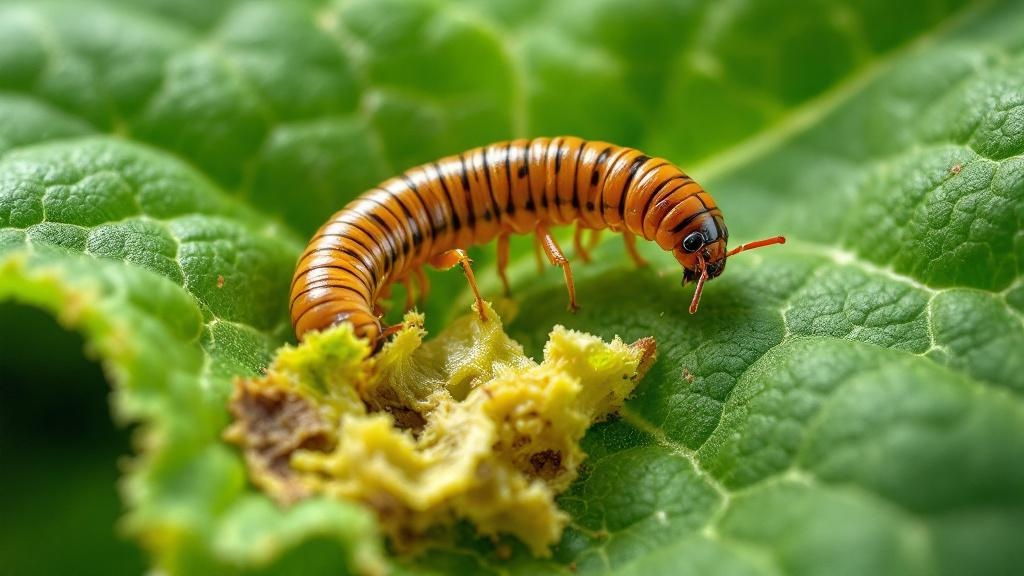
Wireworms are the soil-dwelling larval stage of click beetles, and they're one of the most persistent underground pests in temperate vegetable gardens. These hard, wire-like larvae—typically orange-brown and 1–3 cm long—tunnel into potatoes, carrots, beets, and corn, leaving round holes 2–3 mm across that make the crop unmarketable. A single plant may show multiple parallel tunnels, and in seedlings, you'll notice patchy germination or young plants suddenly wilting and dying despite adequate water. The real challenge is that wireworms live in soil for three to five years, so an infestation discovered in July is usually the result of beetles that laid eggs two or three seasons earlier.
Wireworms thrive in cool, moist soil, making them especially problematic in spring planting and again in autumn. The danger window runs from April through October in Central Europe and the UK, peaking when soil temperatures hover between 10–15°C. You'll first notice the damage at harvest time—those telltale holes in tubers—or much earlier if seedlings suddenly collapse for no obvious reason. The confusion often arises with other soil-dwelling pests or simple mechanical damage, but wireworm damage is distinctly geometric: small, round entry holes in a pattern that suggests purposeful tunnelling rather than rot or nibbling.
The good news is that wireworms are slow and localized; they don't spread through the air or jump between plants. The bad news is that chemical controls have become increasingly ineffective, and the warm winters of recent decades mean populations now survive and breed more easily. This makes prevention through crop rotation and mustard cover crops far more valuable than trying to rescue an infested plot. If you've spotted wireworm holes in your harvest or noticed seedling collapse in spring, this guide will walk you through identification, outbreak timing, and the most reliable organic and cultural management options.
🔍 How to identify
Drótszerű, narancs-barna, kemény 1-3 cm-es lárva a talajban. Gumókban, gyökerekben kerek, 2-3 mm-es lyukak — gyakran több párhuzamos. Burgonyán: bélbeli alagutak, eladhatatlan termés. Foltos kelés (palánták kihalása).
🌿 Common host plants
💊 Treatment
Csemege-csapda (felaprított burgonya/répa darab eltemetve, hetente ellenőrizve). Saláta-csalogató. Vetésforgás (mustár vagy hajdina köztes vetése elpusztítja).
Talajfertőtlenítő (Force, teflutrin) vetéskor. Kemikáliák hatékonysága gyenge ennél a kártevőnél.
🛡️ Prevention
Gyepes terület utáni 2-3 évig NE burgonyát/répát ültess (a gyep a kedvenc szaporodóhelye). Vetésforgás. Mustár-zöldtrágya (allelopátia).
💡 Notes
A magyar burgonyaterület 60-80%-án jelen. Klímaváltozással egyre súlyosabb, mert a langyos telek nem pusztítják ki a lárvákat.
Frequently asked questions
How long will it take for wireworms to destroy my potato or carrot crop?
Wireworms work slowly and don't kill plants outright—they tunnel into developing tubers and roots over weeks, so damage becomes visible at harvest rather than as sudden plant death. Seedlings are the exception; a wireworm can kill a young transplant within days if it severs the stem underground. Once you've identified an infestation, expect significant crop loss if you plant the same root vegetables in that spot the following spring.
Can I still eat potatoes or carrots that have wireworm holes?
The holes themselves are clean and the rest of the tuber or root remains edible, but multiple tunnels create entry points for soil bacteria and fungi, leading to rot in storage. Cosmetic damage also makes them unsaleable at market. For home use, you can cut out damaged sections, but heavily infested roots are better composted.
Does crop rotation really work against wireworms, or do I need to wait years?
Rotation works, but you must wait two to three years before replanting potatoes, carrots, or beets in the same spot—and avoid growing grass or clover there, because those are the wirebeetle's favourite breeding sites. During this window, grow mustard or buckwheat as a cover crop; these release compounds that are toxic to wireworm larvae and will reduce populations significantly by the time you return to root crops.
What's the safest way to trap and monitor wireworms without chemicals?
Bury pieces of raw potato or carrot about 5–10 cm deep in the soil in early spring and check them weekly; wireworms will burrow into these baits, allowing you to count and remove them by hand. This method won't eliminate the population but tells you how severe the infestation is and when peak activity occurs, helping you time plantings or intensify other controls. It's safe for kids and pets.
Do wireworms survive winter in my garden, and when do they become active again?
Yes, larvae overwinter in soil at depths of 30–60 cm and move upward toward the surface as soil warms in spring, typically becoming active by April–May in temperate zones. Harsh, prolonged freezes below minus 10°C can kill significant numbers, but increasingly mild winters mean survival rates have climbed, making chemical controls less reliable than they once were. Remove dead leaves and crop debris in autumn to reduce the habitat.
Not sure what's wrong? Take a photo!
Plantora's AI Plant Doctor identifies the issue from a single photo in seconds and gives you a tailored treatment guide.
Try AI diagnosis (free) →