Brown rot
📖 Overview
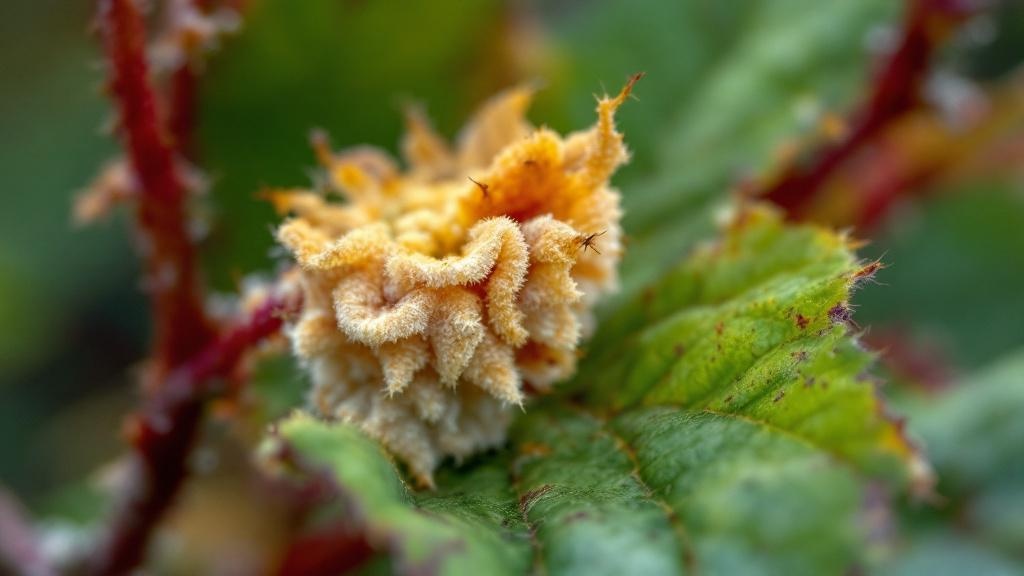
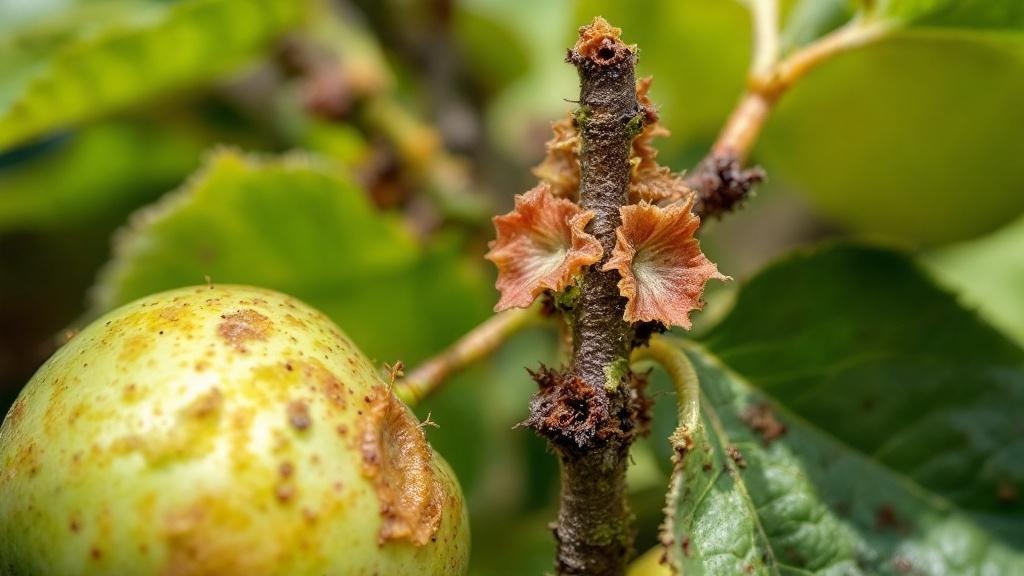
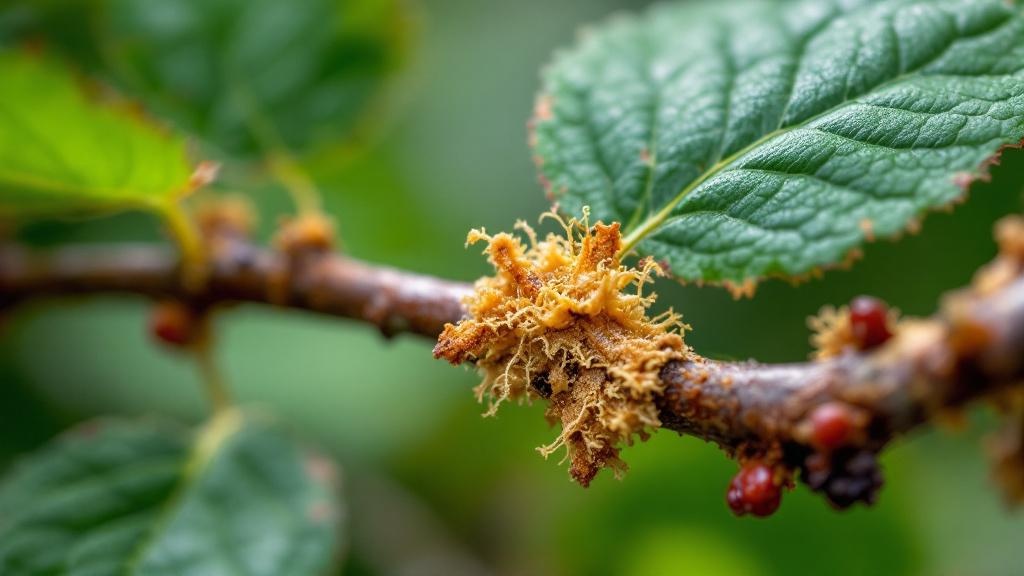
Brown rot is one of the most damaging fungal diseases you'll encounter in stone fruit and apple orchards across temperate Europe. The fungus, primarily Monilinia fructigena on fruit and M. laxa on flowers, causes rapid browning and decay of developing fruit, with characteristic grey-beige fungal cushions (sporodochia) arranged in concentric rings. The infected fruit mummifies and clings to the tree through winter, creating a ready source of spores for the next season. In warm, wet springs and early summers—particularly June when conditions are ideal—the disease can devastate an entire crop in as little as five to seven days, making it not just a cosmetic problem but a serious economic threat.
You'll first notice wilting flowers dropping overnight during bloom time, or brownish patches with a soft, rotting appearance on ripening fruit from late May onwards. The fungus enters through tiny wounds made by insects or weather damage, so fruit-touching aphids, wasps, or bird pecks are your real culprits. Brown rot differs from other fruit rots by its speed and the distinctive grey fuzzy spore masses that emerge once the fruit begins to mummify. Unlike powdery mildew or scab, which develop slowly on the skin, brown rot aggressively softens and liquefies the flesh, and the fruit often remains hanging rather than dropping.
The urgency of brown rot management lies in prevention and rapid sanitation, because once fruit is infected there is very little you can do to save it. Your best defence begins in autumn, when you must meticulously collect and burn all mummified fruit left on the tree—this single step removes the main overwintering source of spores. Spring prevention includes pruning for an open canopy to reduce humidity, using copper-based sprays before bud break, and switching to early-ripening varieties that escape the worst of the warm, wet spell that triggers explosive spread. During flowering and fruit development, managing insect damage and maintaining good air circulation are your front-line tactics.
🔍 How to identify
A gyümölcsön barnás, koncentrikus körökben elhelyezkedő szürke-bézs gomba-párnák (sporodochium). A fertőzött gyümölcs mumifikálódva a fán marad. Virág-elhalás is (M. laxa): a virágot egyik napról a másikra fonnyad le, a vesszővégen rákos sebek.
🌿 Common host plants
💊 Treatment
Mumifikálódott gyümölcs ALAPOSAN szüretelése (őszi-téli kötelező), égetése. Réz-alapú megelőző permet rügyfakadás előtt. Bacillus subtilis (Serenade) virágzáskor.
Fenhexamid (Teldor), boscalid+pyraclostrobin (Signum), tebukonazol szürettől 14 napra előzőleg.
🛡️ Prevention
Szellős koronaalakítás. Darázs- és madárkár csökkentése (kis sebeken keresztül jut be). Korai-érésű fajták, ahol a meleg-csapadékos időjárás kevésbé tart sokáig.
💡 Notes
A magyar gyümölcstermesztés egyik vezető vesztesége. M. laxa virágokon, M. fructigena gyümölcsön. Egy meleg-csapadékos júniusban a táblát fél hét alatt elpusztíthatja.
Frequently asked questions
How quickly does brown rot spread once I spot the first symptoms?
Brown rot can spread explosively in warm (above 20°C), wet conditions—a single infected fruit can trigger widespread damage across your tree in 7-10 days, and in an ideal wet June, an entire orchard can be compromised in 5-7 days. Once you see soft, browning patches, check daily for new infections on nearby fruit and remove affected fruit immediately to slow spread.
Do I have to destroy an infected tree, or can I save the fruit this season?
Individual infected fruit cannot be saved—remove and destroy them at once. However, the tree itself is not lost; aggressive sanitation of mummified fruit in autumn and winter, combined with preventive spraying in spring and summer, can bring the disease under control in future seasons. The key is breaking the overwintering cycle by collecting every last mummified fruit.
What's the safest organic spray for my backyard orchard with children and pets nearby?
Copper-based sprays applied before bud break are very safe and highly effective for prevention; they have low toxicity to mammals and can be used well before flowering. During bloom and fruit development, Bacillus subtilis (Serenade) is your safest option and can be sprayed right at flowering time without harm to bees or children.
Does brown rot spores overwinter in the soil, or must I focus on fallen fruit and branches?
The spores overwinter almost entirely in mummified fruit hanging on the tree and in cankers on branches after M. laxa flower infections; soil is not a major source. This makes autumn and winter cleanup your single most important prevention step—collect and burn every mummified fruit, no exceptions, and prune out any twig cankers you see.
Which weather conditions trigger a brown rot outbreak?
Warm (18–25°C) and wet conditions are the perfect trigger, especially during flowering and fruit development in May–June; rain or high humidity combined with mild nights creates the ideal environment for spore germination and spread. If your region experiences a cool, dry spring, brown rot risk drops dramatically, but a warm, wet June is your danger window.
Not sure what's wrong? Take a photo!
Plantora's AI Plant Doctor identifies the issue from a single photo in seconds and gives you a tailored treatment guide.
Try AI diagnosis (free) →