Thrips
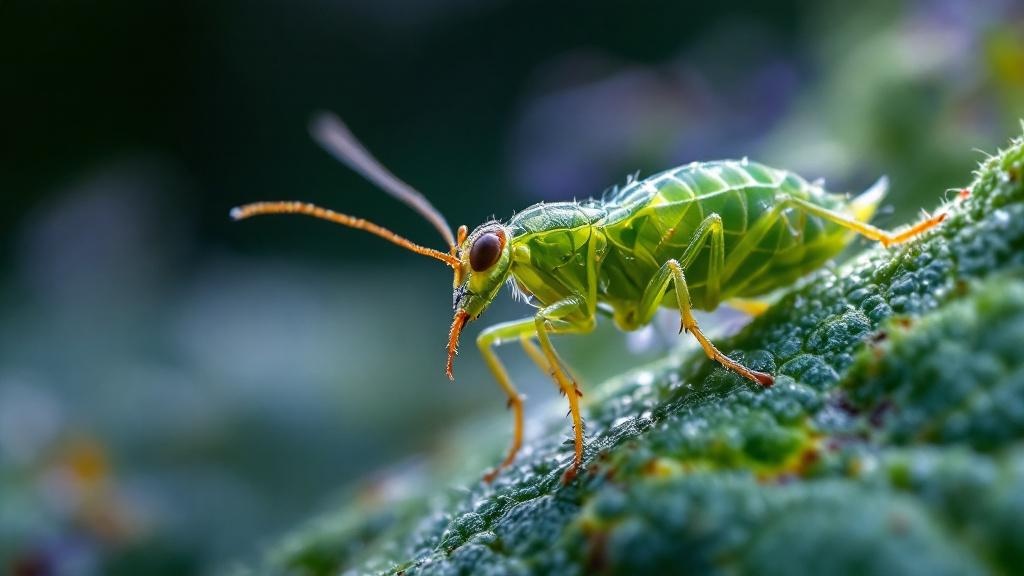
📖 Overview
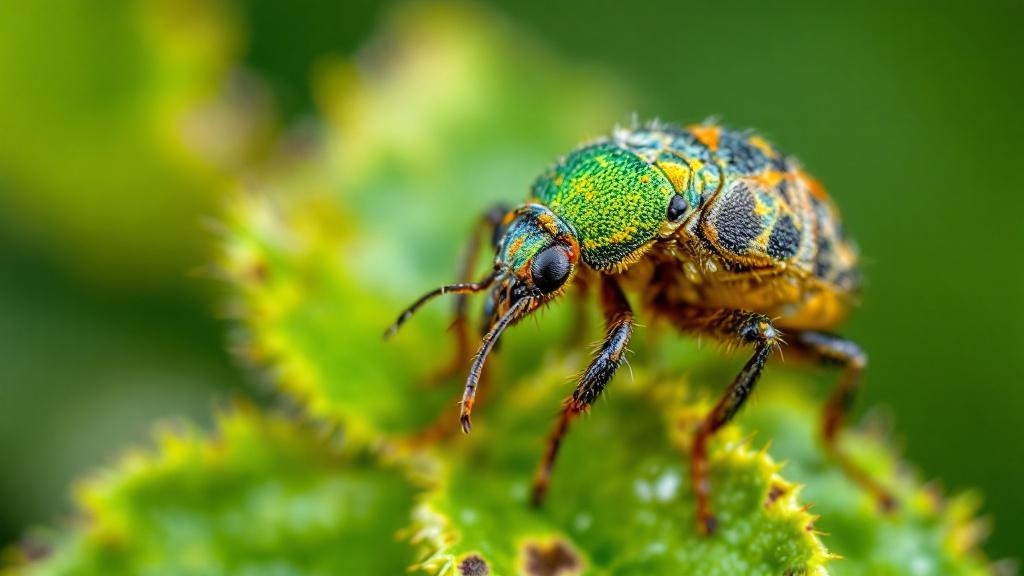
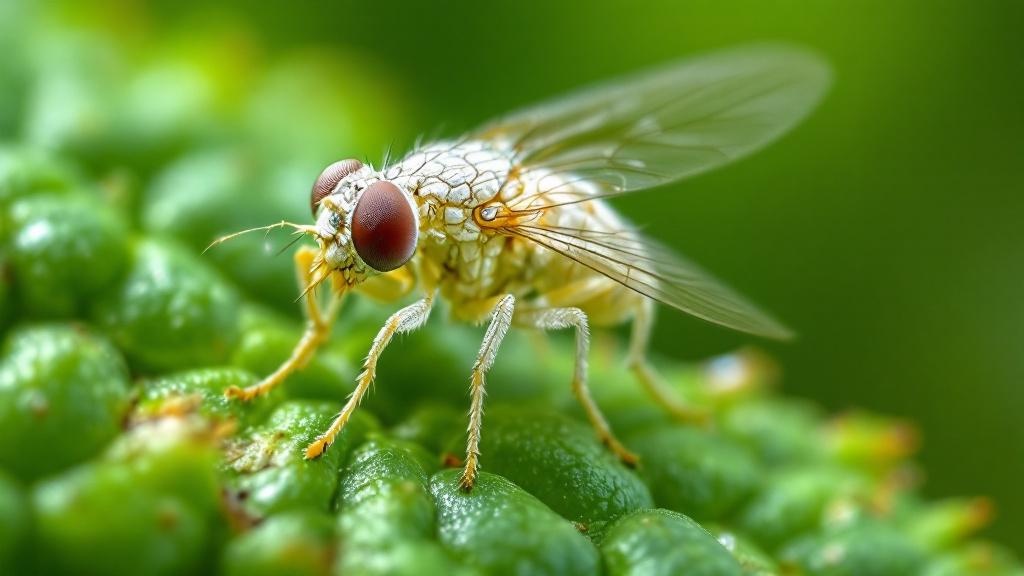
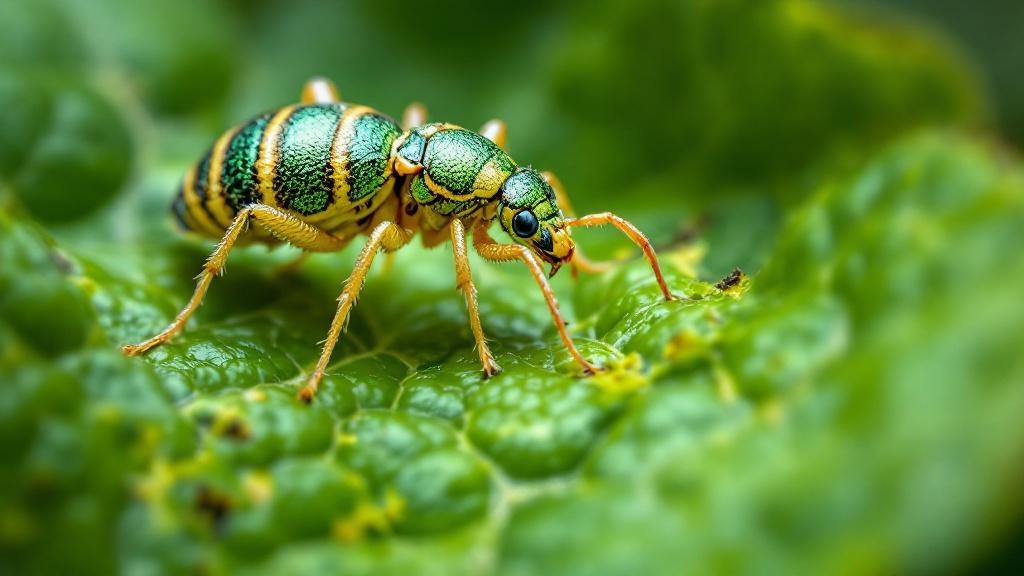
Thrips are tiny, slender insects—barely 1-2 mm long—that feed on plant cells by piercing them and sucking out the contents. The first sign is usually a silvery, glistening sheen on leaves, often surrounded by small black dots (their droppings). In heavy infestations, leaves become distorted, scarred, and may curl or wither. These pests are nearly invisible to the naked eye, which is why many gardeners don't notice them until damage is already visible.
Thrips matter most to pepper and tomato growers because certain species transmit Tomato Spotted Wilt Virus (TSWV), a serious disease that can devastate an entire crop. They're also common on ornamentals like roses, orchids, and gladiolus, where they spoil flowers and foliage. Even on non-virus-host plants, heavy thrip populations stunt growth and reduce yield.
The critical window in temperate climates runs from late May through September, with peak populations in July and August when warm, dry conditions favour their rapid reproduction. Indoors or in heated greenhouses, they can breed year-round. The first sign to catch is a few silvery streaks on younger leaves or flower petals; at this stage, control is simplest.
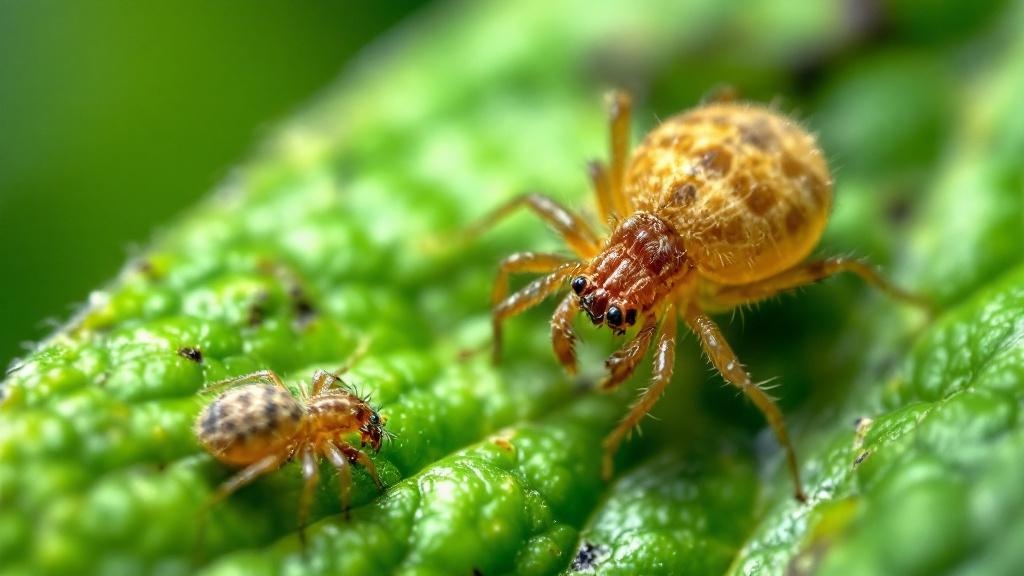
Thrips are easily confused with spider mite damage because both create pale, stippled leaves. The key difference: thrips leave shiny silvery patches with tiny black droppings, while spider mites create a finer, more uniform stippling and often visible webbing.
🔍 How to identify
Ezüstös, csillogó foltok a leveleken, körülöttük apró fekete pontok (ürülék). Erősebb fertőzöttségnél deformált, hegesedő szövetek. Magát a tripszet (1-2 mm, sötét, vékony) nehéz észrevenni.
🌿 Common host plants
💊 Treatment
Kék ragacsos csapdák. Predátor atka (Amblyseius cucumeris). Neemolaj. Spinosad (Bacillus thuringiensis subspecies).
Spinosad, abamectin, deltamethrin.
🛡️ Prevention
Karantén. Kék csapdák. Levegőzés.
💡 Notes
TSWV vírust terjeszthet — paradicsomon, paprikán komoly kockázat.
Frequently asked questions
How fast do thrips multiply and when is the real danger window?
Thrips complete a generation in 10-14 days during warm weather, so populations can explode rapidly from June onwards. The danger window peaks in July-August when temperatures consistently exceed 20°C; by mid-September, populations begin to decline naturally in outdoor gardens. Watch most carefully between the first warm spell in May and the first hard frost.
Can I save a thrip-infested plant or must I destroy it?
Mild to moderate infestations (silvery patches but no wilting) can be controlled with persistent treatment: blue sticky traps, frequent misting to disrupt colonies, and weekly neem oil or spinosad sprays. Discard the plant if it shows TSWV symptoms (severe mottling, ring spots, necrotic patches on tomatoes and peppers), as the virus cannot be cured and infected plants become a vector.
What's the safest organic spray for a garden with children and pets?
Blue sticky traps and predatory mites (Amblyseius cucumeris) are completely non-toxic and ideal for households with small children or pets; release predatory mites in late May or early June. If spraying is needed, neem oil is lower-toxicity than spinosad and generally safe around kids once dry, though always follow label directions and spray in early morning or evening.
Do thrips overwinter in the soil or on fallen leaves?
Most thrip species overwinter in soil debris, dead leaves, and plant stems near the base; some also survive on overwintering weeds and garden litter. Remove and destroy fallen leaves in autumn, clear debris from beds by October, and avoid leaving infested plant material on the ground where thrips can shelter through winter.
Are peppers and tomatoes with thrip damage still safe to eat?
If the fruit itself shows only superficial silvery scars from thrip feeding, it is safe to eat—wash thoroughly and remove any damaged skin. However, if the plant is infected with Tomato Spotted Wilt Virus (visible as ring spots, necrotic streaks, or severe mottling on the fruit), discard the fruit; do not eat or compost it, as the virus poses no direct food safety risk but infected material spreads disease.
Not sure what's wrong? Take a photo!
Plantora's AI Plant Doctor identifies the issue from a single photo in seconds and gives you a tailored treatment guide.
Try AI diagnosis (free) →