Hail damage
📖 Overview
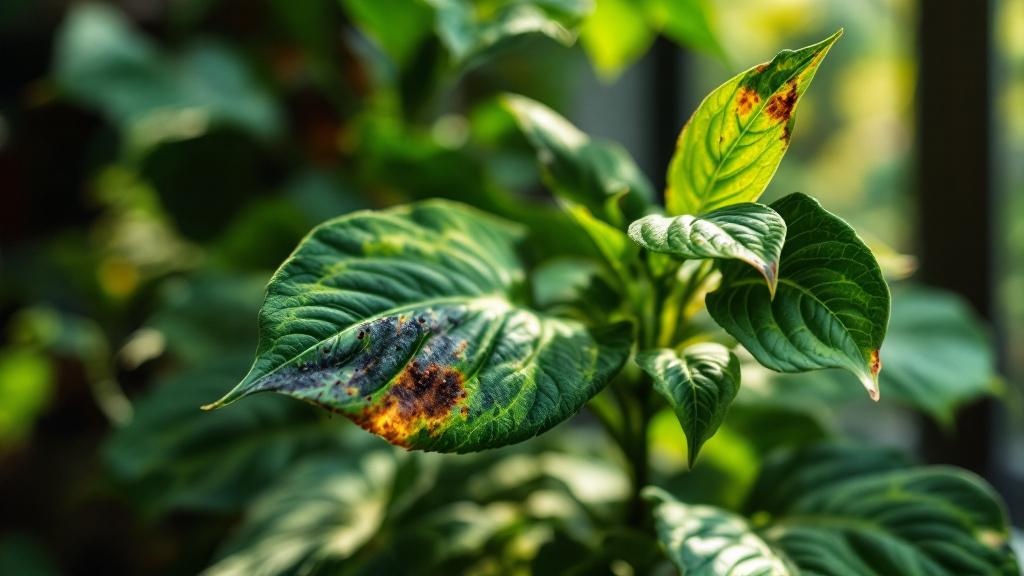
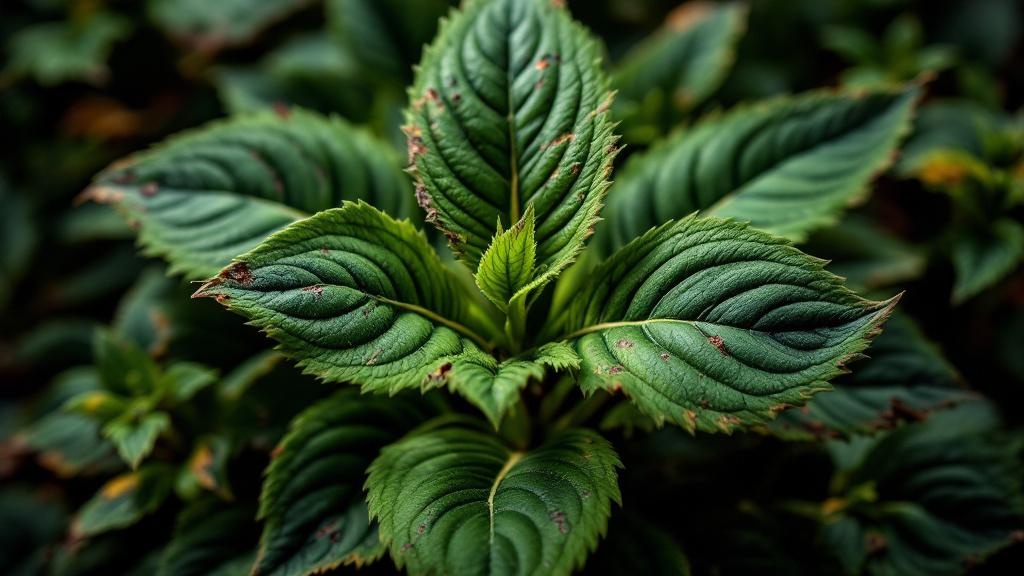
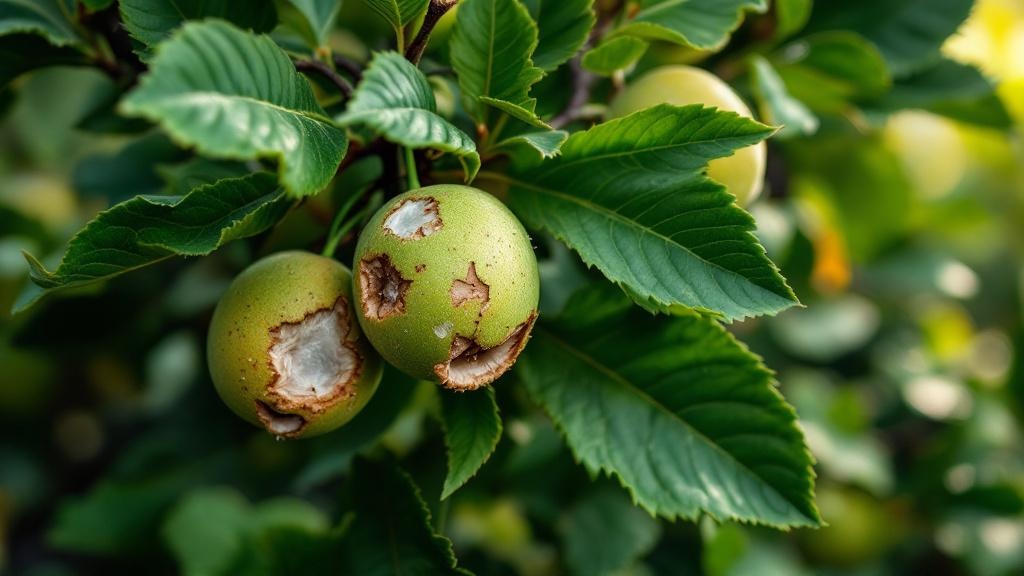
Hail damage is the physical injury that occurs when ice pellets strike plant leaves, fruits, and stems during a severe storm. In temperate gardens and orchards, a single hailstorm can shred foliage, puncture fruit skins, and snap tender shoots in minutes—damage that cannot be undone once it happens. The problem strikes without warning, typically between May and September when spring and summer thunderstorms are most violent, and it affects virtually any garden crop: apple and pear trees, grapevines, tomatoes, squash, and leafy greens are particularly vulnerable. What makes hail so damaging is that the injuries are not just cosmetic; torn leaves and cracked fruit create open wounds that invite fungal and bacterial infections to colonize within hours. The first sign you'll notice after a storm is a pattern of irregular round or oval holes punched through leaves, often larger on the undersides, and white or pale indentations on fruit that later turn brown. The damage is typically more severe on the north and west sides of plants, where wind exposure is greatest. Unlike wind-tear damage, which leaves ragged, elongated splits, hail creates distinct punctures and often strips away small sections of tissue altogether.
🔍 How to identify
A leveleken lyukak, szakadások (a szél-szakadástól eltérően szabálytalan kerek-ovális, gyakran fonákán nagyobb). Gyümölcs felületén fehér foltok-bemélyedések, később barnulnak. Hajtások szakadása. Tipikusan ÉSZAKI / nyugati oldalon erősebb.
🌿 Common host plants
💊 Treatment
A sérült leveleket NEM kell levágni (fotoszintézis még működik a megmaradón). Réz-alapú permet 24 órán belül a sebek elfertőződése ellen. Megerősítő foszfor-káli lombtrágya.
Megelőző rézfertőtlenítés és sebzárás. Súlyos fertőzés esetén szisztémikus gomba-elleni permetezés (a sebek fertőzési kapuk).
🛡️ Prevention
Jégesővédő háló nagyobb gyümölcsösben (15-20% fényelnyelés mellett 95%+ jéghárító). Jégesőgépek lokális hatású csak. Biztosítás. Vihar utáni AZONNALI rézpermet.
💡 Notes
Magyarországon évente átlagosan 5-8 jelentős jégesőnap. Az országos kár 2024-ben kb. 50 milliárd Ft a mezőgazdaságban.
Frequently asked questions
Do I need to remove all the damaged leaves from my plants after hail?
No, you should leave damaged leaves on the plant unless they are so shredded that photosynthesis cannot occur. The undamaged portions of the leaf still produce food for your plant, and premature removal only reduces recovery. Instead, apply a copper-based fungicide within 24 hours to seal the wounds and prevent infection through the damaged tissue.
Is fruit that has been hit by hail still safe to eat?
Yes, fruit with superficial hail scars is safe to eat once you remove the bruised skin. However, if deep cracks have opened into the flesh or mold is visibly growing in the damage, discard that fruit. The danger is not toxicity but secondary fungal rot that develops from the open wounds.
How quickly can diseases take hold of hail-damaged plants?
Fungal and bacterial infections can establish themselves within 24 to 48 hours of hail strike, which is why immediate action is critical. Apply copper fungicide within the first day, and follow up with a phosphorus and potassium foliar feed to strengthen the plant's natural defenses as it recovers.
What's the best organic way to protect my garden from hail damage?
For valuable fruit crops like grapes or stone fruits, anti-hail netting is the only reliable defense; modern varieties block 95 percent or more of hail while allowing 80 to 85 percent of light through. For smaller vegetable gardens, there is no practical organic barrier, so the focus shifts to rapid response: keep copper fungicide on hand and spray within hours of a severe storm to prevent secondary infection.
Can I compost leaves and fruit damaged by hail?
Only if you are confident the damaged material has not yet been colonized by fungal spores. If there are visible signs of mold, rot, or discoloration spreading from the wounds, do not compost; instead, dispose of it in household waste to avoid spreading disease spores through your garden.
Not sure what's wrong? Take a photo!
Plantora's AI Plant Doctor identifies the issue from a single photo in seconds and gives you a tailored treatment guide.
Try AI diagnosis (free) →