Phosphorus deficiency
📖 Overview
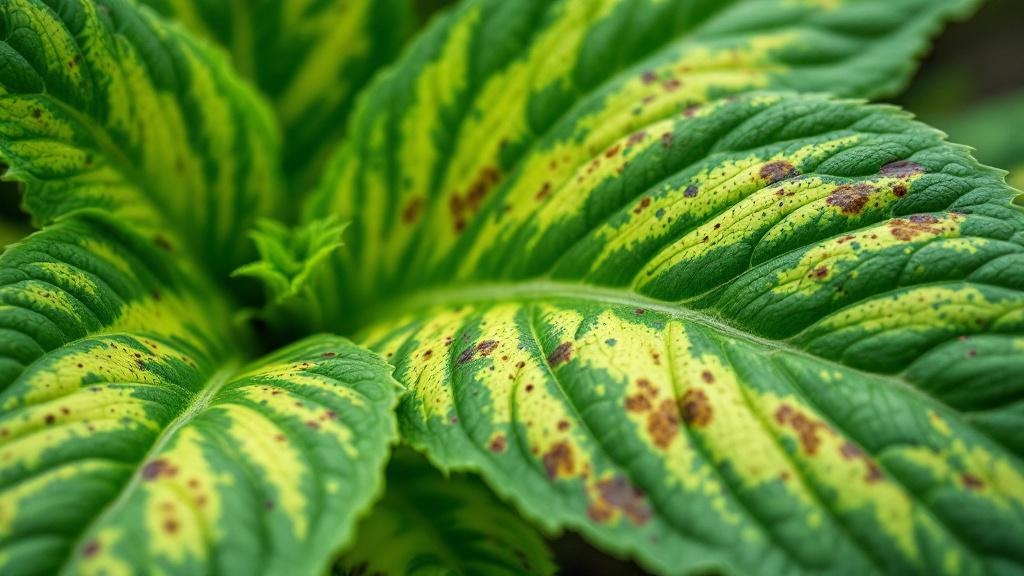
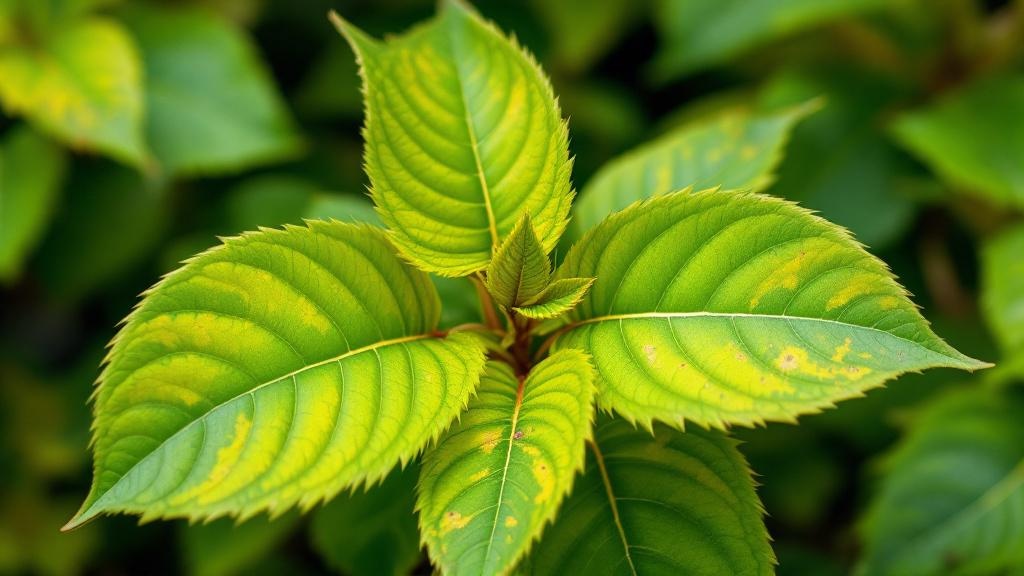
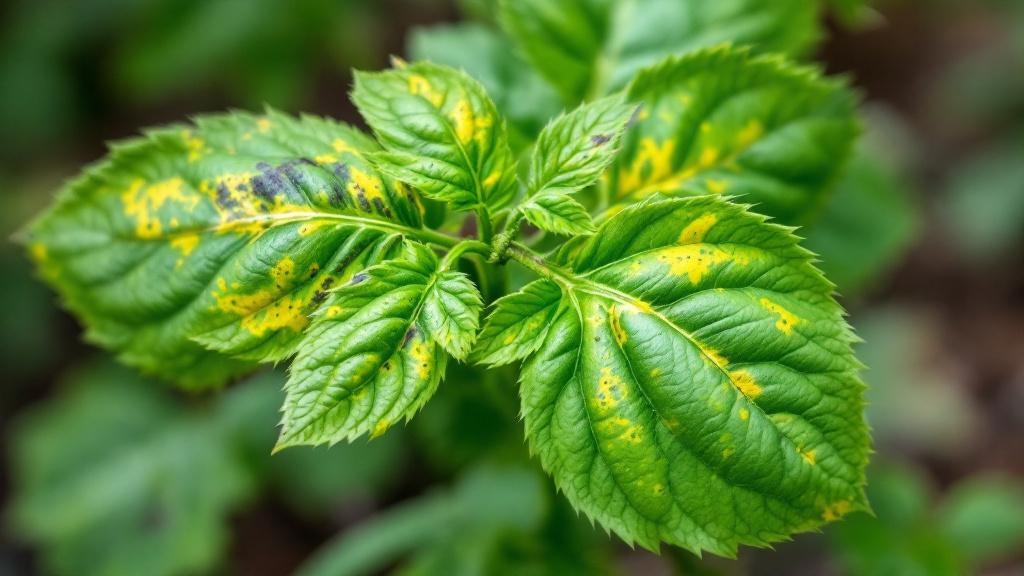
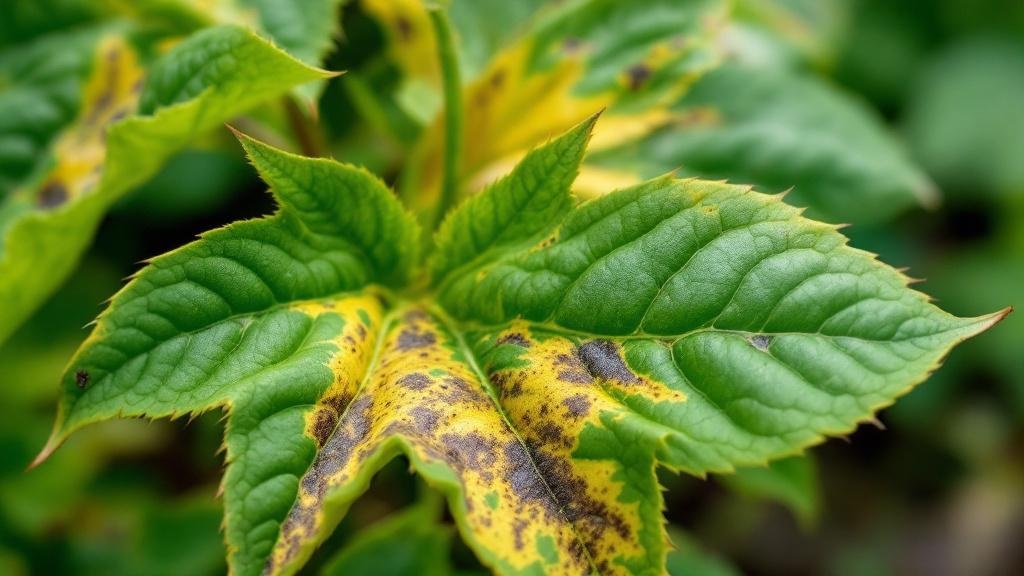
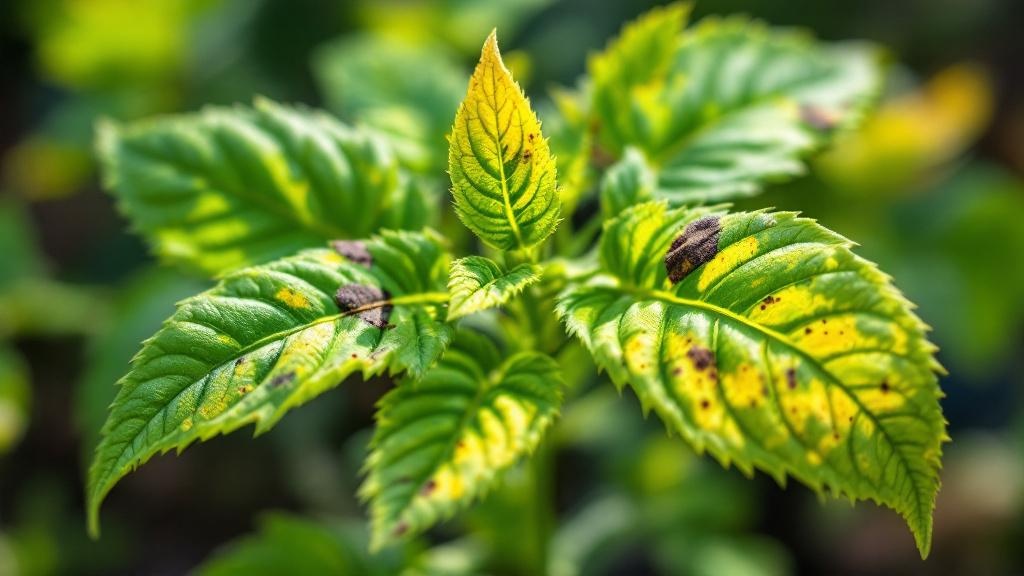
Phosphorus deficiency is a nutrient problem where your plants cannot access enough phosphorus from the soil, even if it's technically present. The first sign is a distinctive purple or red discoloration on the undersides of older leaves and along the stems, particularly noticeable during cool weather in spring or autumn. This deficiency matters because phosphorus is essential for root development, flowering, and fruit set, so affected tomatoes, peppers, eggplants, and ornamentals will grow weakly, produce few flowers, and yield poorly.
The problem typically emerges in mid to late spring (April–May in temperate zones) when soil temperatures are still cool and root activity is sluggish. Cold, wet soils slow phosphorus uptake dramatically, which is why the symptoms often appear first on young transplants. Acidic soils (pH below 6.0) are particularly prone to this issue because phosphorus gets chemically locked up by iron and aluminum compounds, becoming unavailable to roots even though it's in the soil.
You can distinguish phosphorus deficiency from other problems by looking for the characteristic purple-red coloring specifically on leaf undersides and stem bases, combined with generally stunted growth and poor root development when you pull up the plant. Nitrogen deficiency also causes yellowing but affects older leaves uniformly without the purple tint, and it develops more gradually across the whole plant. Potassium deficiency, by contrast, causes scorching at leaf margins rather than discoloration along veins and stems.
The good news is that phosphorus deficiency responds well to correction, especially when caught early. Raising soil pH to 6.0–6.8, adding phosphorus-rich amendments like bone meal or superphosphate, and inoculating seedlings with mycorrhizal fungi can all restore plant vigor within 3–4 weeks.
🔍 How to identify
Az IDŐS leveleken jelentkezik először. A levél hátulja és a szár LILA-vörös elszíneződéssel, főleg hidegebb időben. A növény gyengén nő, a gyökérrendszer fejletlen. Kevés virág, később kevés termés.
🌿 Common host plants
💊 Treatment
Csontliszt (foszfor-források). Halzsír-emulzió. Pillangósvirágú zöldtrágyázás.
NPK 10-20-10 vagy nagyobb foszfor-aránnyal. Szuperfoszfát (a mély feltöltéshez).
🛡️ Prevention
Talaj pH 6.0-6.8 (savas talajban a foszfor lekötődik vassal/alumíniummal). Mikorrhiza inokuláció (palántakor) — a gomba kiterjeszti a gyökér foszfor-felvevő képességét.
Frequently asked questions
When does phosphorus deficiency usually show up, and how quickly does it get worse?
Purple-red discoloration on old leaves typically appears in mid-spring (April–May) when soil is still cool and roots are slow to grow, worsening noticeably over 2–3 weeks if soil temperatures stay below 12°C. Once soil warms in late May or June, plants often recover without treatment if phosphorus is moderately available, but severe deficiency can stunt development permanently and cause flowering to fail by mid-summer.
Can I save a phosphorus-deficient plant, or do I have to pull it out?
Plants caught early usually recover completely with treatment, especially if you correct the problem before flowering begins. Apply a balanced fertilizer like NPK 10-20-10 or higher phosphorus ratio every 7–10 days for 3–4 weeks, and if soil pH is low, raise it toward 6.5 by adding lime. Only severely stunted plants past their productive window (or those with irreversible deformities) are worth removing.
What's the safest organic option for a vegetable garden with kids and pets?
Bone meal is ideal: gentle, slow-release, and completely safe when used at label rates around your edibles and flowers. Mix it into the top 5 cm of soil in spring, or brew a dilute fish emulsion and apply every 10 days for quicker foliar uptake; both are non-toxic once dry. If you want prevention, plant legume cover crops like clover or alfalfa in autumn to boost soil phosphorus cycling.
Does phosphorus deficiency stay in the soil year after year, or do I need to refeed every season?
Phosphorus itself doesn't leave the soil like nitrogen does, but it can become locked up again if pH drops or microbial activity slows in cold months. Add bone meal or superphosphate once every 2–3 years in autumn for maintenance; inoculate seedlings with mycorrhizal fungi at planting time so their root-fungi partnerships extract phosphorus more efficiently even from poor soils.
Is my tomato still safe to eat if it had phosphorus deficiency earlier in the season?
Yes, fruit from phosphorus-deficient plants is completely safe to eat; the deficiency only affects plant vigor and yield, not food safety. If the plant recovered by mid-summer with treatment, fruit quality and flavor will be normal, though yields may still be lower than from well-nourished plants. Phosphorus does not accumulate in fruit in harmful amounts.
Not sure what's wrong? Take a photo!
Plantora's AI Plant Doctor identifies the issue from a single photo in seconds and gives you a tailored treatment guide.
Try AI diagnosis (free) →